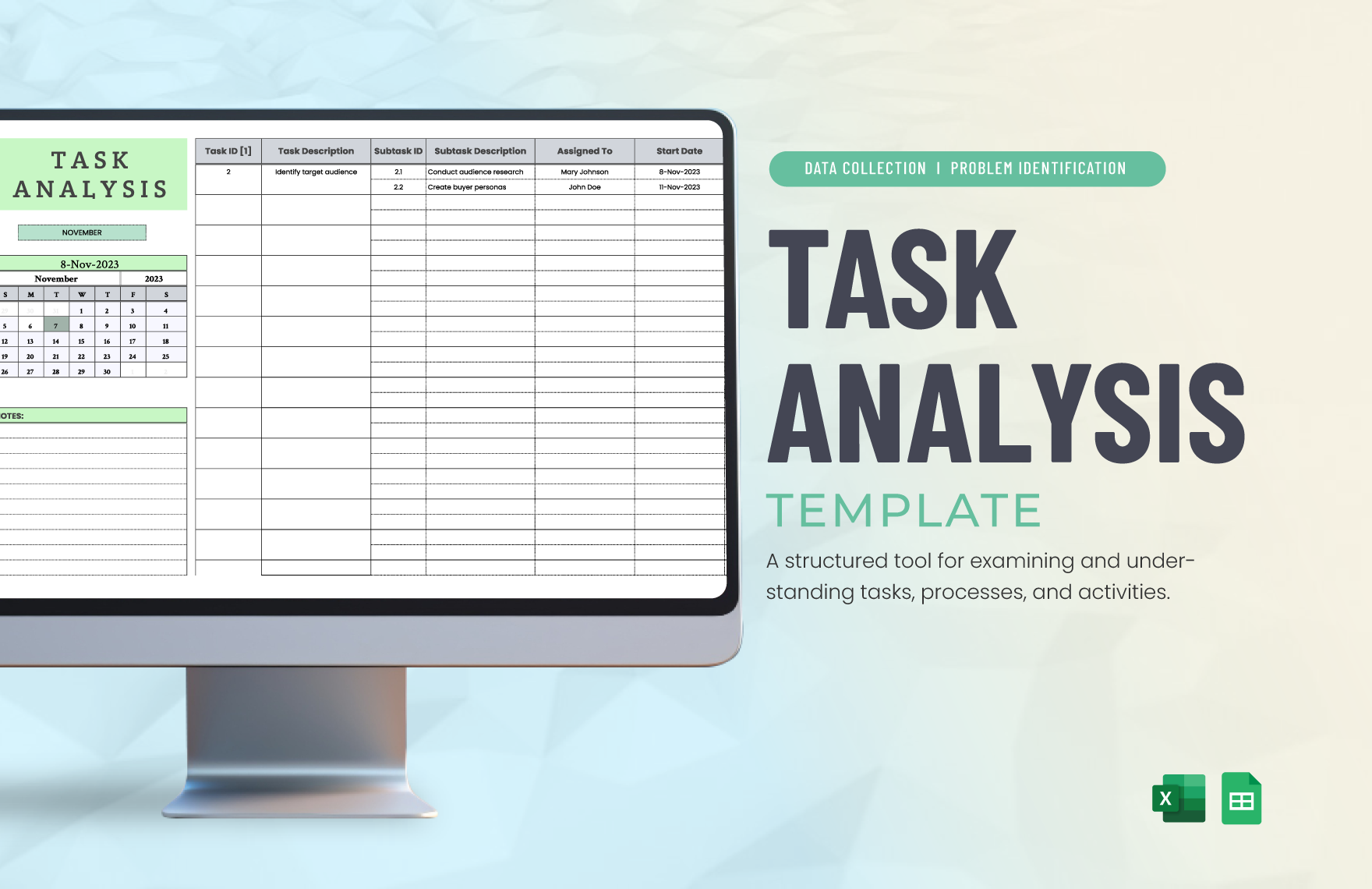
A job task analysis (JTA) template is a valuable tool for employers, HR professionals, and organizations aiming to streamline their workflow, enhance training programs, and improve employee performance. By breaking down tasks into manageable components, JTA templates help create a clear understanding of the responsibilities associated with a job role and facilitate more effective management, training, and evaluation of employees. In this article, we will explore the essential elements of a JTA template and the benefits it can bring to your organization.
### 1. Task Identification
A well-crafted JTA template begins with identifying the essential tasks required for a job role. This is achieved by listing down each task, including both essential and non-essential functions, and describing the key objectives and outcomes associated with each. Task identification helps employers pinpoint critical responsibilities and allocate resources accordingly.
### 2. Task Sequence and Flow
After identifying the tasks, it’s crucial to establish the sequence and flow of the job requirements. This involves mapping out the workflow, including tasks that are dependent on one another and those that are performed concurrently. By analyzing the task sequence, organizations can optimize processes, eliminate bottlenecks, and create a more efficient work environment.
### 3. Task Frequency and Volume
A JTA template should also account for the frequency and volume of tasks performed by employees. This involves analyzing how often tasks are completed, how much time is spent on each task, and the number of tasks performed daily, weekly, or monthly. Understanding task frequency and volume helps organizations allocate resources effectively and manage workload.
### 4. Task Complexity and Skill Requirements
To ensure employees possess the necessary skills and competencies to perform tasks effectively, a JTA template should detail the complexity and required skills for each task. This involves assessing the difficulty level of tasks, the level of expertise required, and any relevant certifications or training that must be completed.
### 5. Task Resources and Equipment
A JTA template should also specify the resources and equipment required to complete tasks, including computers, software, machinery, or specialized equipment. Understanding resource allocation is critical for efficient workflow management, as it allows organizations to allocate resources optimally and reduce waste.
### 6. Task Risks and Errors
To anticipate potential issues and mitigate risks, a JTA template should identify potential errors or risks associated with tasks. This involves assessing potential safety hazards, risks of equipment failure, or the likelihood of data loss or cyber threats. By understanding potential risks, organizations can implement measures to mitigate these risks and ensure employee safety.
### 7. Task Training and Development
A JTA template should highlight the training and development requirements for each task, including the necessary skills and competencies, certifications, or training programs. Understanding employee training needs is essential for upskilling employees, closing knowledge gaps, and ensuring employees possess the necessary competencies to excel in their roles.
### 8. Task Metrics and Performance Evaluation
To track employee performance and identify areas for improvement, a JTA template should include performance metrics and evaluation criteria. This involves defining key performance indicators (KPIs), assessing employee performance, and identifying areas for development. By measuring performance effectively, organizations can align employee goals with organizational objectives and drive continuous improvement.
### 9. Task Review and Revision
Finally, a JTA template should ensure that job tasks are regularly reviewed and revised to accommodate changing organizational needs. This involves analyzing the effectiveness of current workflows, identifying areas for improvement, and incorporating new technologies or processes. Regular review and revision of JTA templates ensures that job roles remain relevant and aligned with organizational objectives.
By implementing a JTA template, organizations can enhance workflow management, improve employee performance, and increase productivity. By understanding and analyzing job tasks more effectively, employers can break down silos, foster collaboration, and drive business success.
Job Task Analysis: 9 Steps For HR [Free Template] – AIHR
![Job Task Analysis: 9 Steps for HR [Free Template] - AIHR](https://www.aihr.com/wp-content/uploads/Job-Task-Analysis-Blog-1024x1024.png)
TASK 3 -Job Task Analysis – JOB TASK ANALYSIS IMPORTANCE SCALE
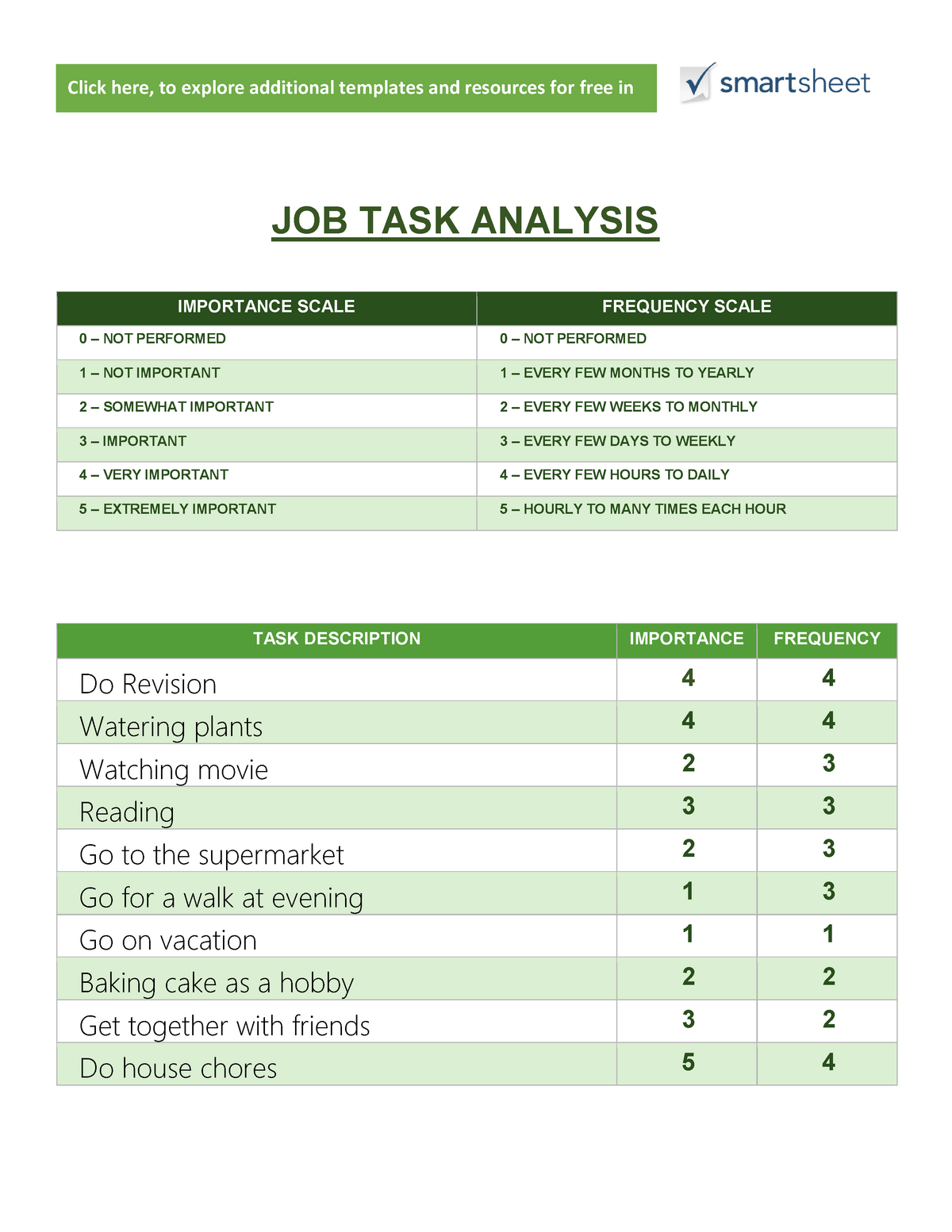
Job Task Analysis Worksheet Task Analysis PowerPoint Template | Nulivo
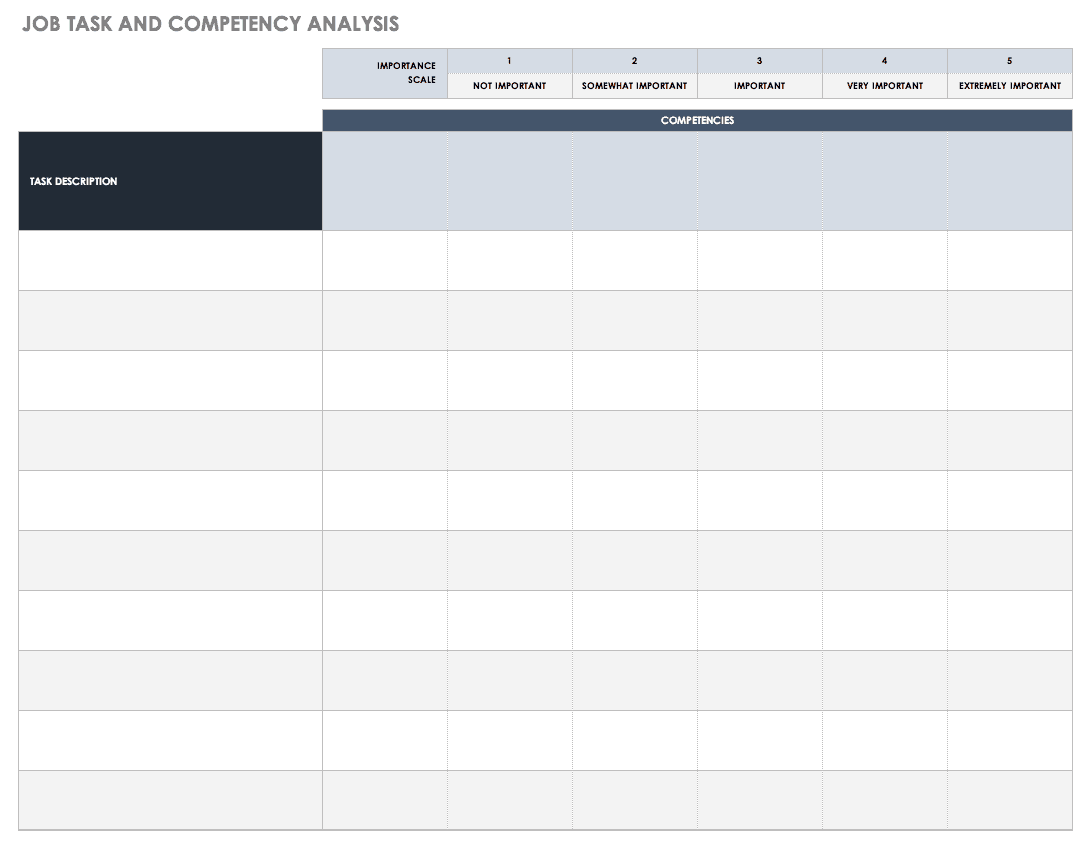
Free Job Analysis Templates | Smartsheet
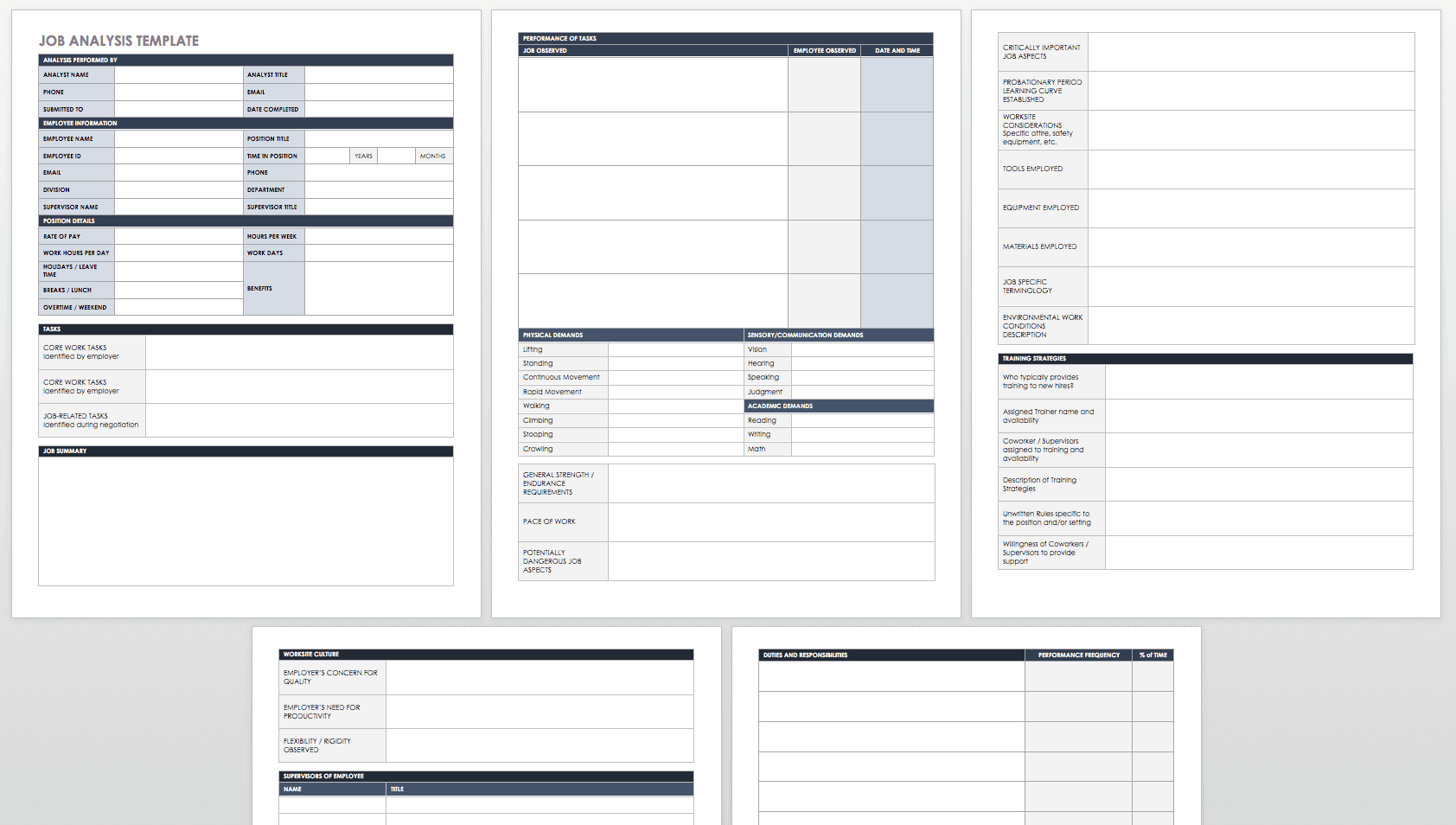
Free Job Analysis Templates | Smartsheet

Job Task Analysis Template Word At Tarluisblog Blog
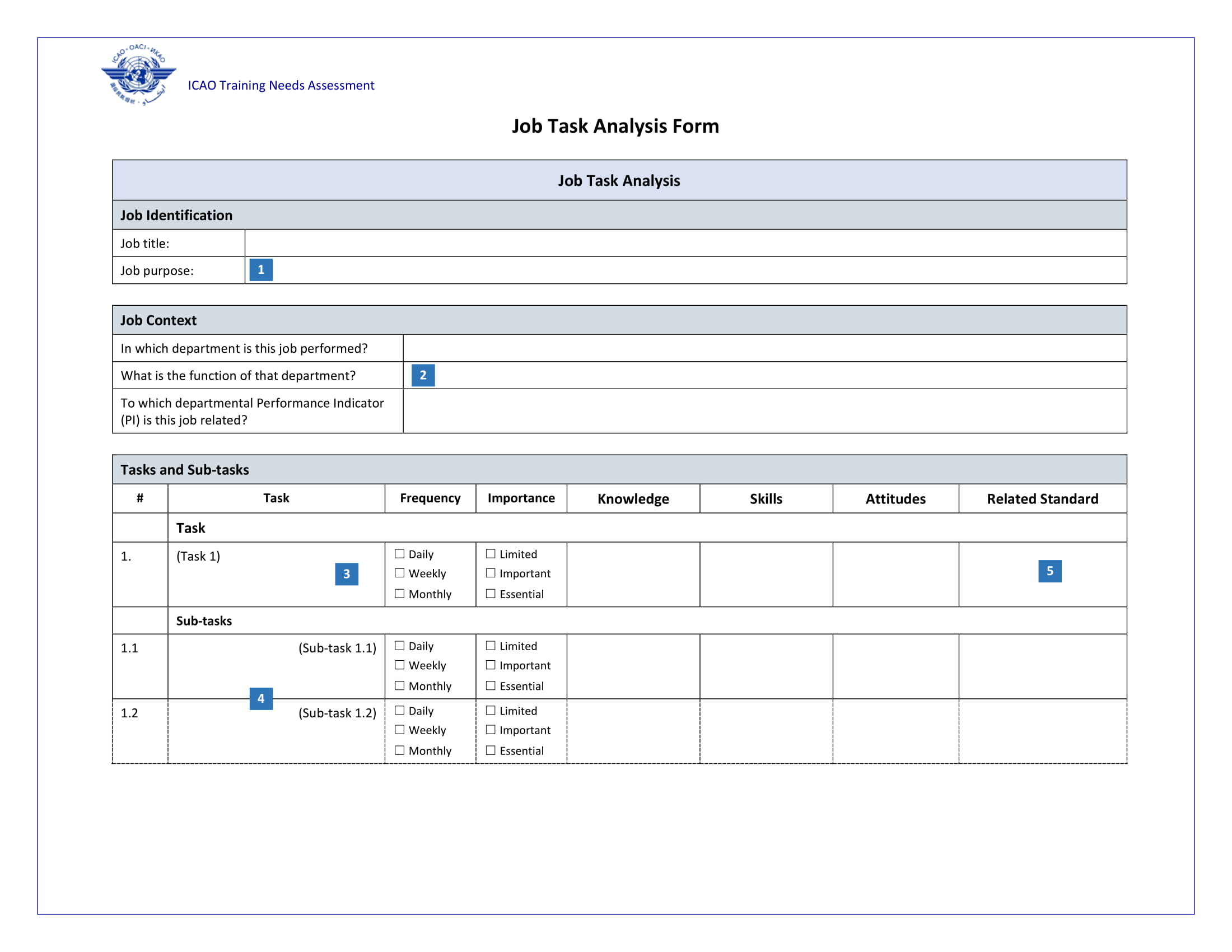
11+ Job Task Analysis Examples To Download
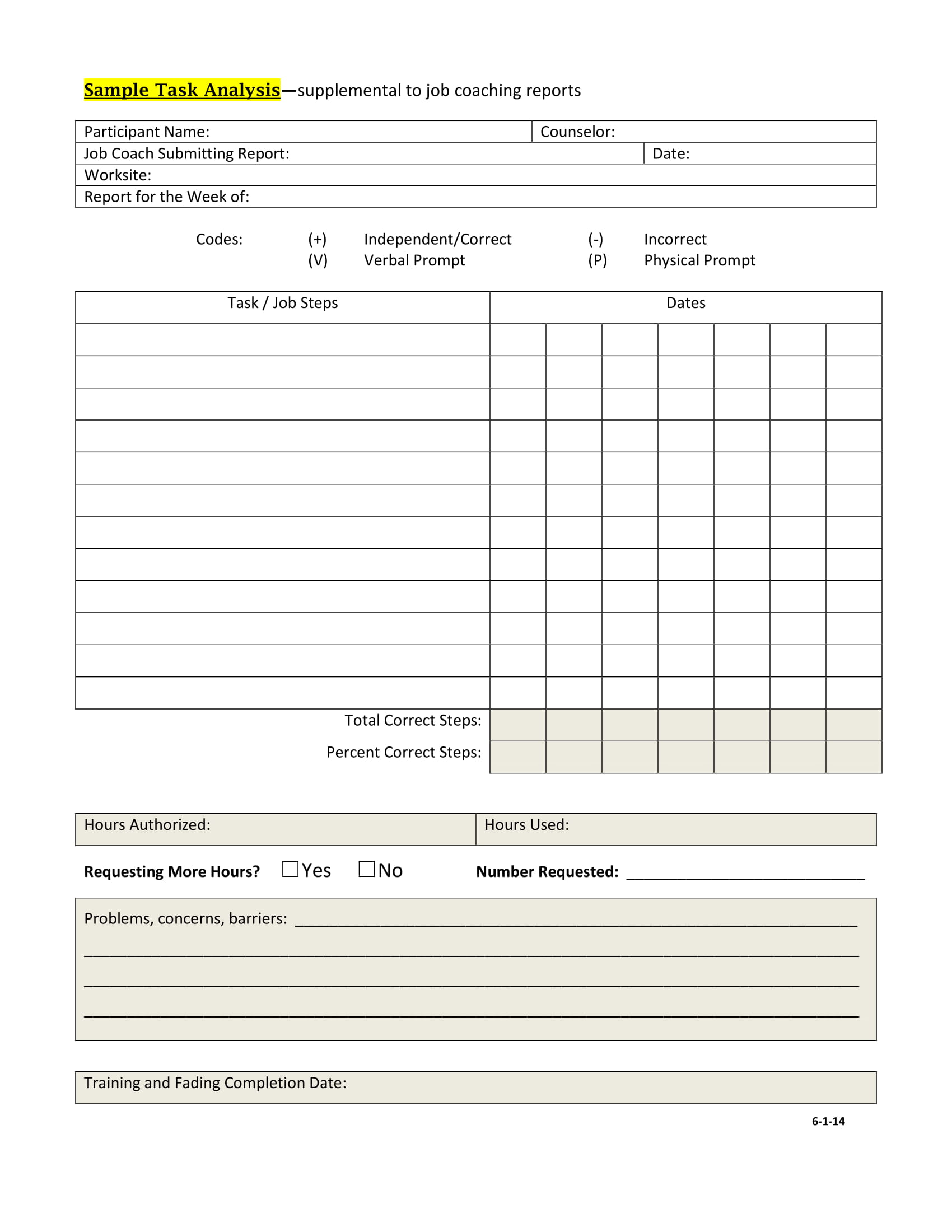
Job Task Analysis Worksheet Task Analysis PowerPoint Template | Nulivo

11+ Job Task Analysis Examples To Download
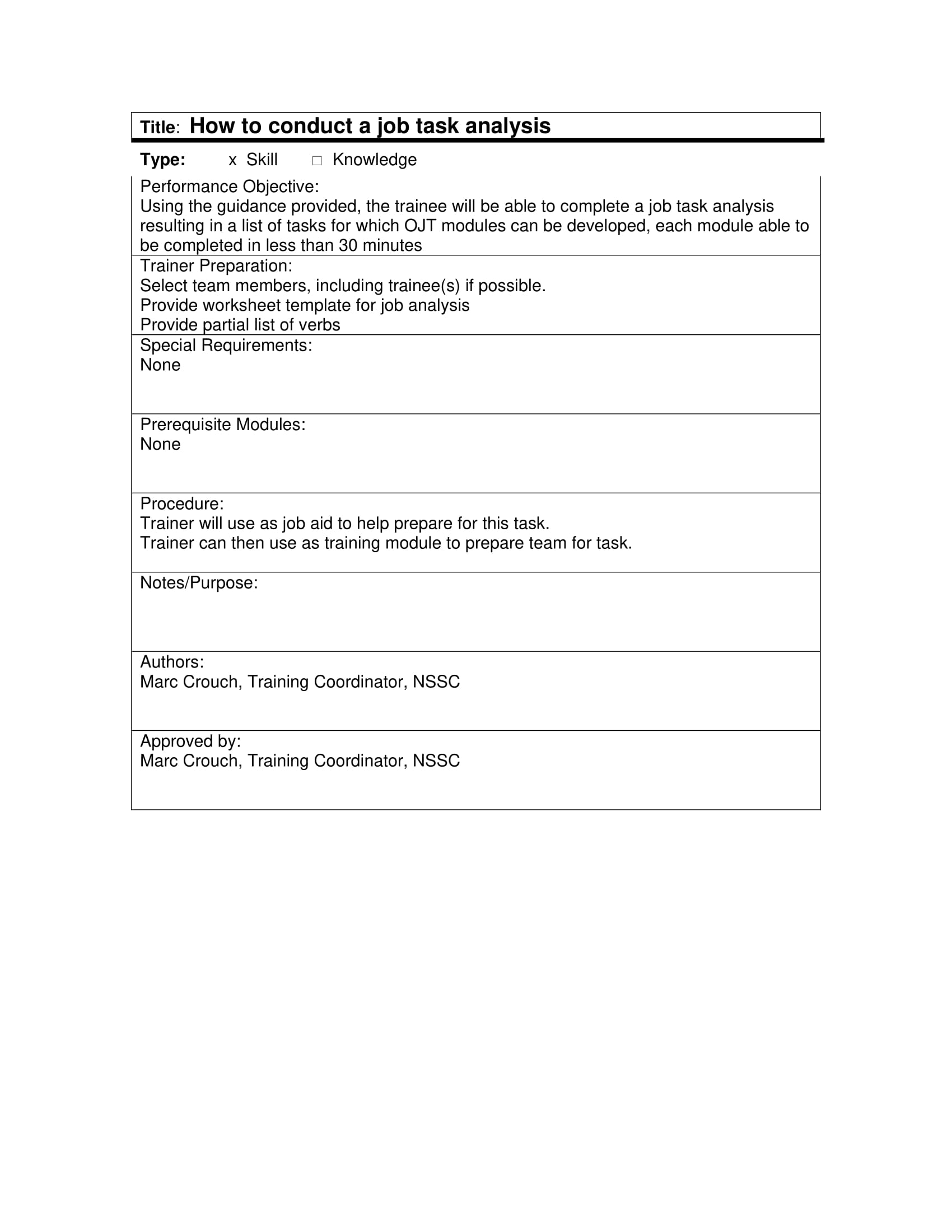
FREE 15+ Job Analysis Forms In PDF | MS Word
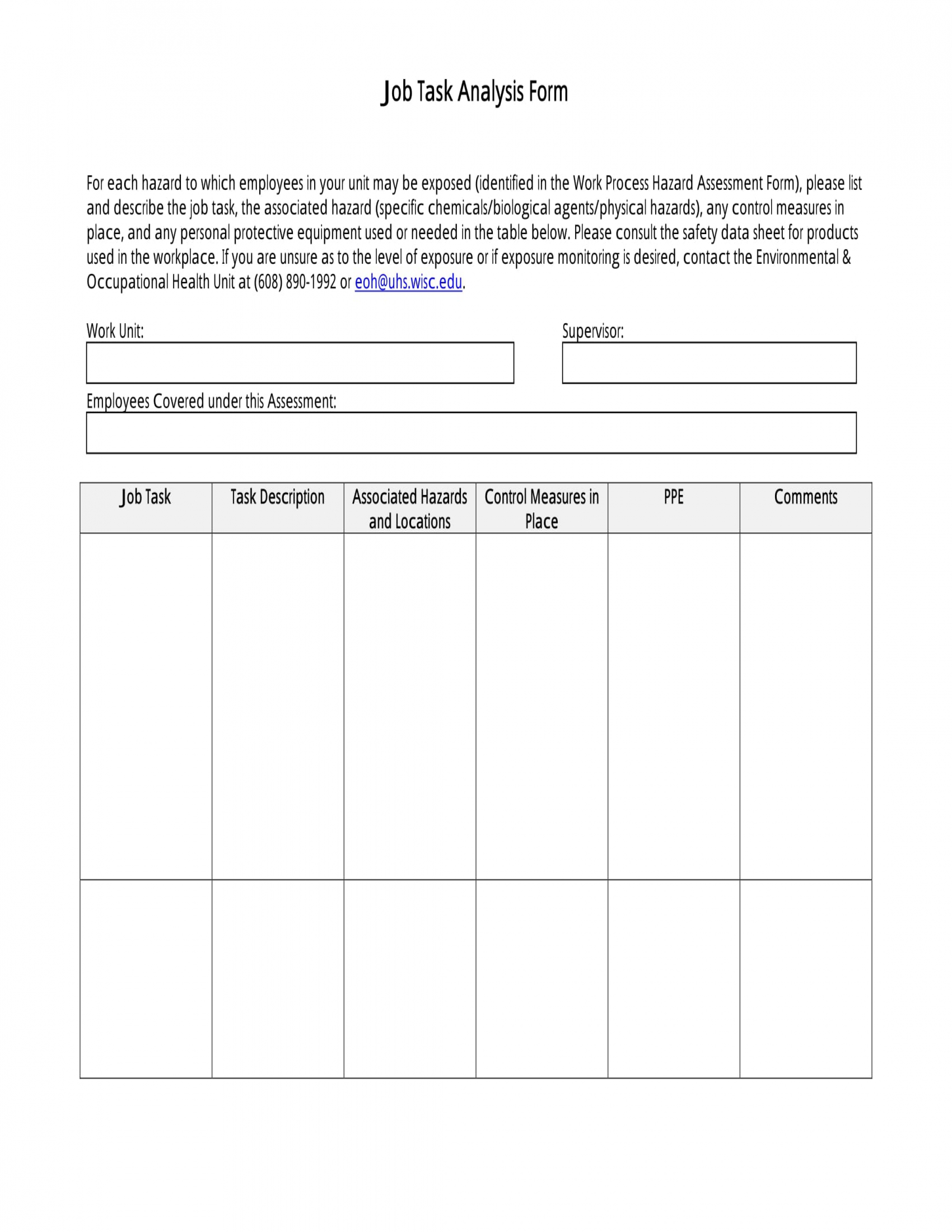
13 Job Hazard Analysis Template Worksheet – Free PDF At Worksheeto.com
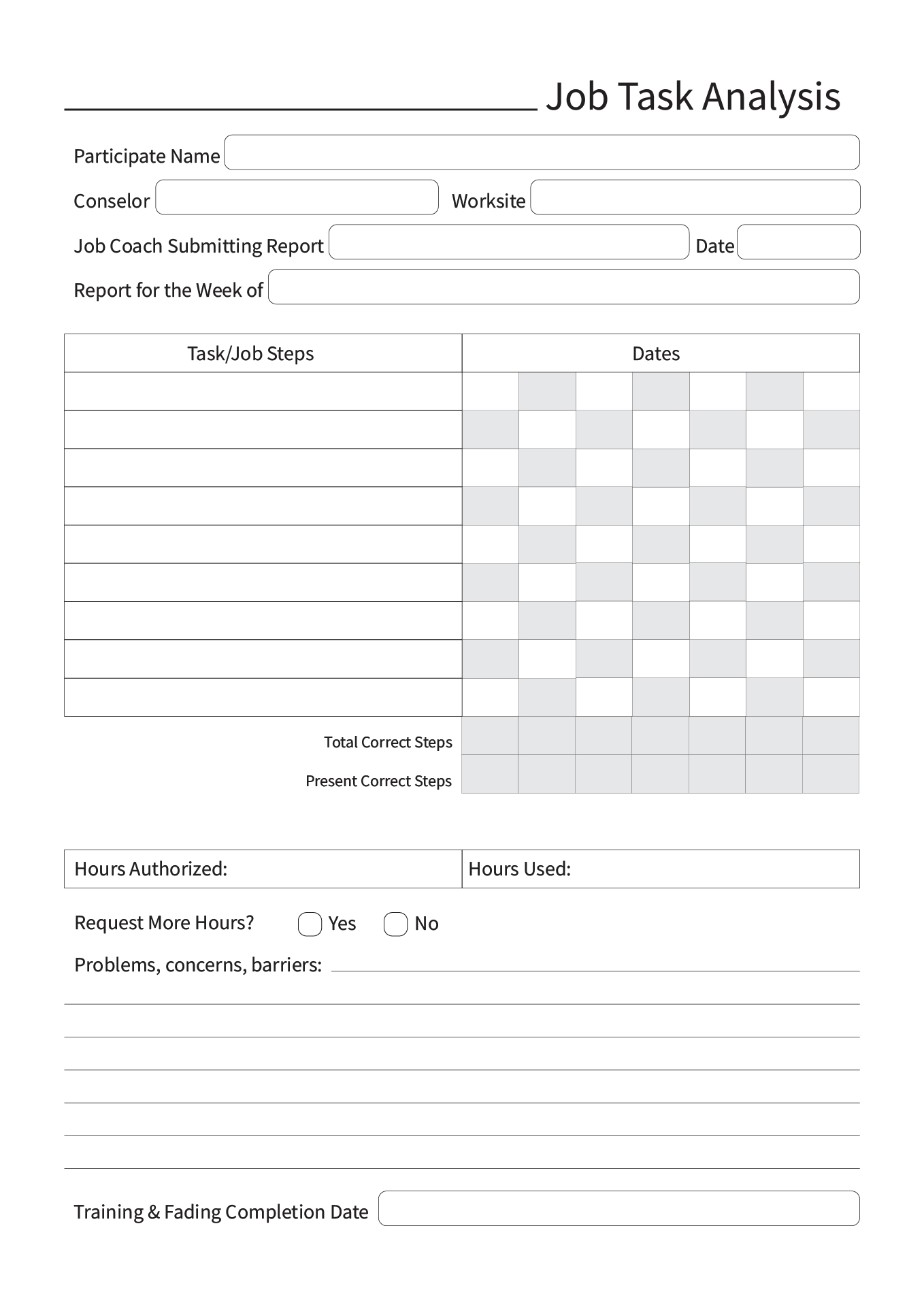
Job Task Analysis Template – Edit Online & Download Example | Template.net
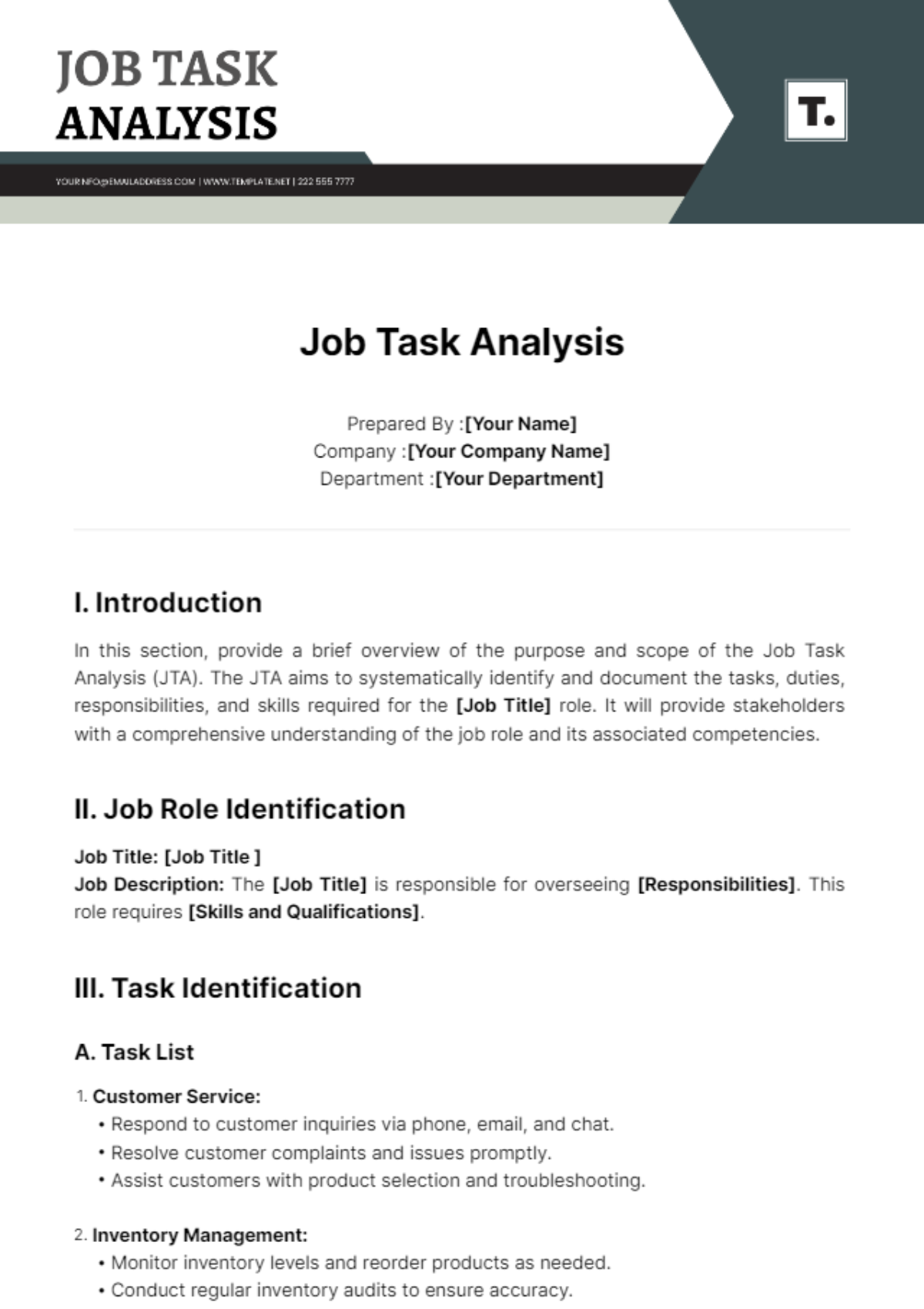
Job Task Analysis Form
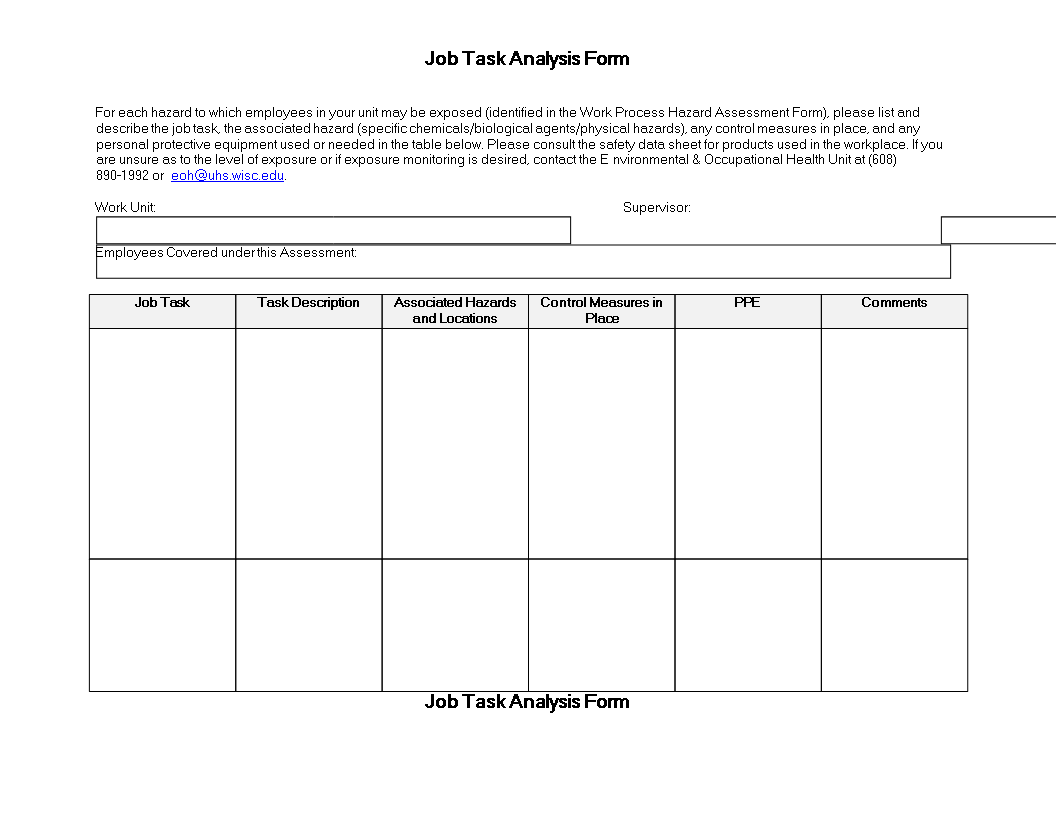
5 Job Task Analysis – Ued102 Notes – Study Skills – Studocu
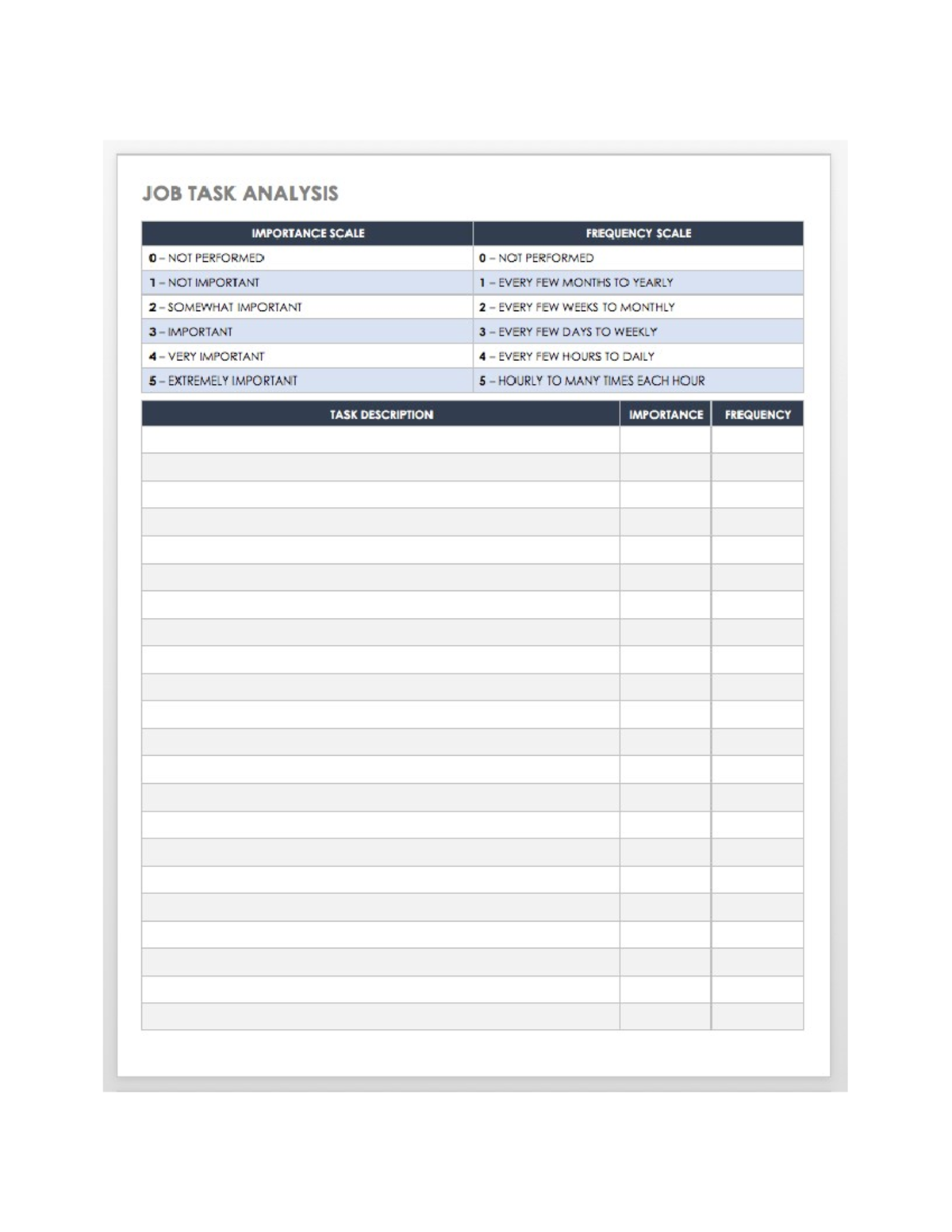
Job Analysis Template Project Job Description Template For Project
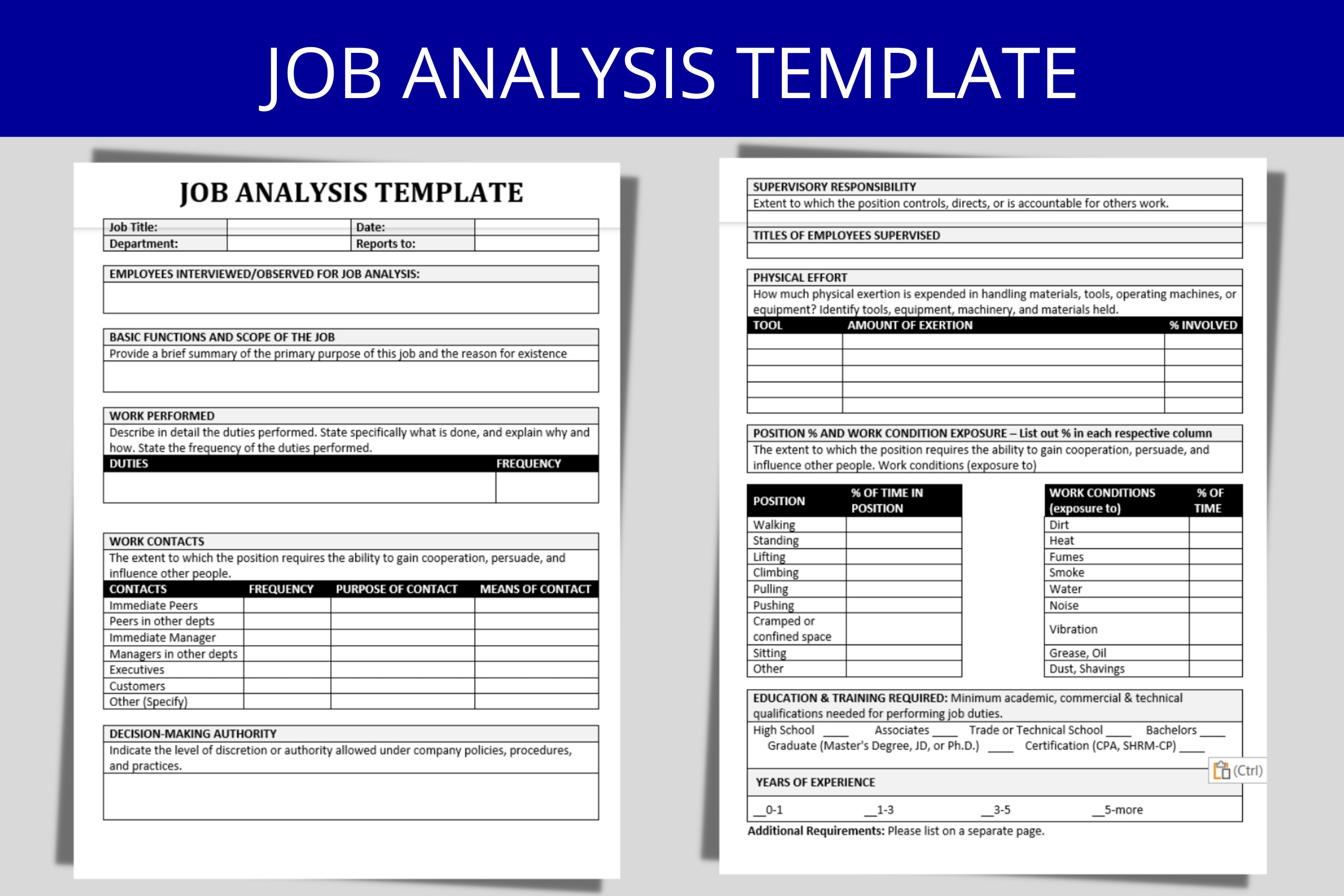
Job Task Analysis: 9 Steps For HR [Free Template] – AIHR
![Job Task Analysis: 9 Steps for HR [Free Template] - AIHR](https://www.aihr.com/wp-content/uploads/Job-Task-Analysis-Template-Preview-1024x1024.png)
Job Task Analysis Worksheet Task Analysis PowerPoint Template | Nulivo

Job Task Analysis Form | Templates At Allbusinesstemplates.com
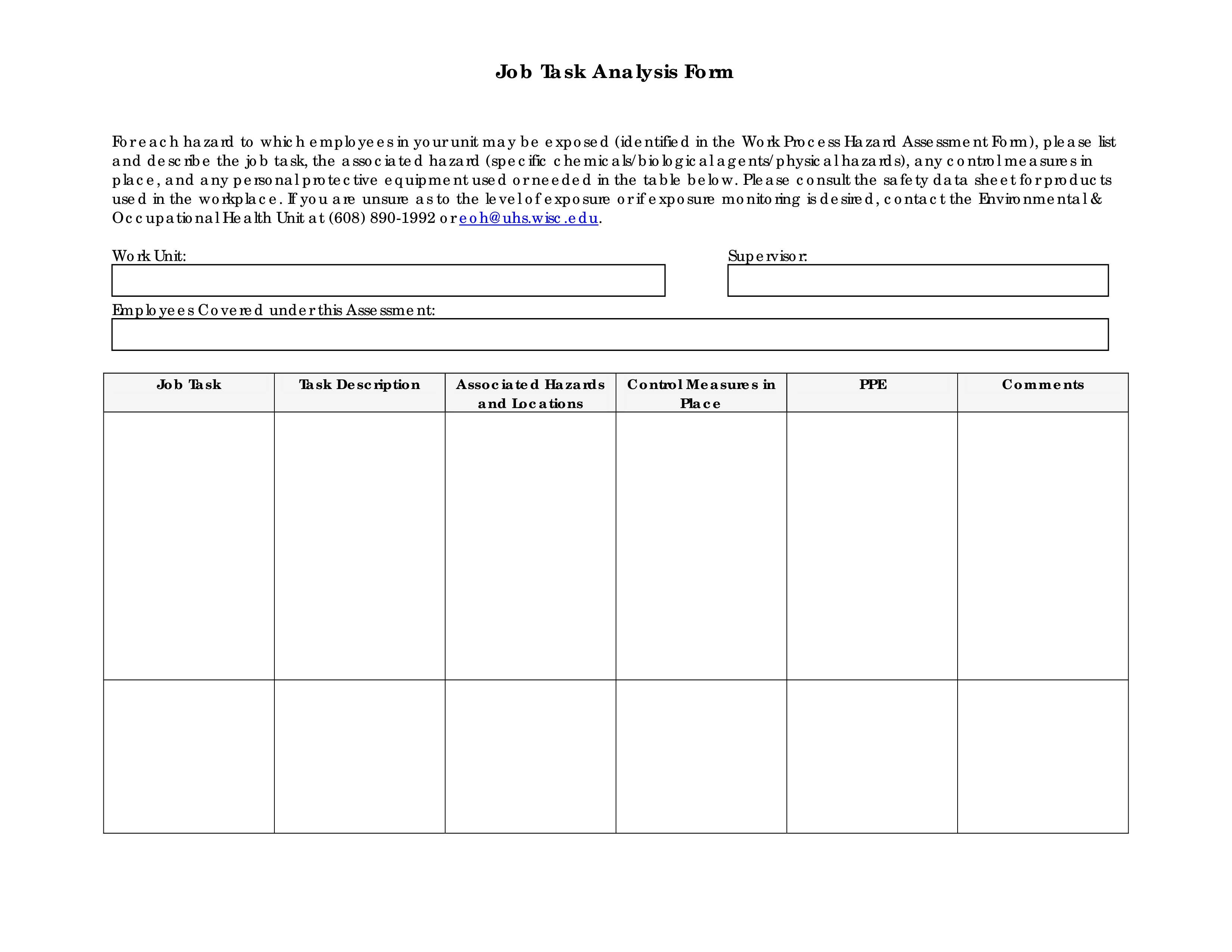
FREE 15+ Job Analysis Forms In PDF | MS Word

Job Analysis Template In Pages, PDF, Word, Google Docs – Download