1. Define Your Brand and Target Audience
In order to create a successful shoe template, you need to understand who your target audience is and what your brand’s aesthetic is. Think about what type of shoes you want to design and who would be interested in buying them. This will help you create a cohesive brand identity and inform the design of your shoe template. Consider factors such as age, sex, location, and interests of your target audience and how they might interact with your brand. For example, a brand targeting young adults might focus on sleek and modern designs, while a brand targeting outdoor enthusiasts might focus on durable and practical designs.
2. Determine the Type of Shoe
The type of shoe you want to design will have a significant impact on your shoe template. Different types of shoes require different features and functionality. For example, a sneaker will require a different type of sole and lacing system than a high heel. Consider the type of shoe you want to design and what features it will require. Some common types of shoes include sneakers, boots, sandals, and heels.
3. Choose a Color Scheme
The color scheme of your shoe template will have a significant impact on the overall aesthetic of your shoes. Consider the colors that are most relevant to your brand and which ones will appeal to your target audience. You can also use color psychology to make informed decisions about the colors you choose. For example, blue is often associated with trust and stability, while red is often associated with energy and excitement.
4. Select a Fabric or Material
1. Define Your Brand and Target Audience
In order to create a successful shoe template, you need to understand who your target audience is and what your brand’s aesthetic is. Think about what type of shoes you want to design and who would be interested in buying them. This will help you create a cohesive brand identity and inform the design of your shoe template. Consider factors such as age, sex, location, and interests of your target audience and how they might interact with your brand. For example, a brand targeting young adults might focus on sleek and modern designs, while a brand targeting outdoor enthusiasts might focus on durable and practical designs.
2. Determine the Type of Shoe
The type of shoe you want to design will have a significant impact on your shoe template. Different types of shoes require different features and functionality. For example, a sneaker will require a different type of sole and lacing system than a high heel. Consider the type of shoe you want to design and what features it will require. Some common types of shoes include sneakers, boots, sandals, and heels.
3. Choose a Color Scheme
The color scheme of your shoe template will have a significant impact on the overall aesthetic of your shoes. Consider the colors that are most relevant to your brand and which ones will appeal to your target audience. You can also use color psychology to make informed decisions about the colors you choose. For example, blue is often associated with trust and stability, while red is often associated with energy and excitement.
4. Select a Fabric or Material
The fabric or material of your shoe will greatly impact the comfort and durability of your shoe. Consider what type of material will work best for your brand and target audience. For example, a brand targeting athletic enthusiasts might focus on lightweight and breathable materials, while a brand targeting fashion-conscious consumers might focus on luxurious and high-quality materials. Some common materials include leather, mesh, and suede.
5. Consider the Sole and Heel
The sole and heel of your shoe will greatly impact the functionality and comfort of your shoe. Consider what type of sole and heel will work best for your brand and target audience. For example, a brand targeting athletes might focus on supportive and cushioning soles, while a brand targeting fashion-conscious consumers might focus on sleek and minimalist designs. Some common sole types include rubber, polyurethane, and EVA.
6. Add a Toe Cap and vamp
The toe cap and vamp of your shoe will greatly impact the aesthetics of your shoe. Consider what type of toe cap and vamp will work best for your brand and target audience. For example, a brand targeting fashion-conscious consumers might focus on sleek and minimalist designs, while a brand targeting outdoor enthusiasts might focus on durable and practical designs. Some common toe cap materials include leather, mesh, and synthetic materials.
7. Incorporate Additional Design Elements
Additional design elements such as buckles, laces, and embroidery can greatly impact the overall aesthetic of your shoe. Consider what type of design elements will work best for your brand and target audience. For example, a brand targeting athletes might focus on functional and practical design elements, while a brand targeting fashion-conscious consumers might focus on bold and eye-catching designs.
8. Create a Prototype
Once you have designed your shoe template, it’s time to create a prototype. This will allow you to test the functionality and aesthetics of your shoe. Consider what type of materials and processes you will use to create your prototype. For example, you might use 3D printing or laser cutting to create a functional and durable prototype.
9. Test and Refine Your Design
The final step in designing your shoe template is to test and refine your design. Consider what type of feedback you will gather from your target audience and how you will use that feedback to improve your design. Some common methods for testing a shoe design include surveys, focus groups, and product testing. By gathering feedback and refining your design, you can create a shoe template that meets the needs and wants of your target audience.
10. Finalize Your Design and Start Production
Once you have refined your design, it’s time to finalize it and start production. Consider what type of manufacturing process you will use to produce your shoes. For example, you might use a contract manufacturer or outsource production to a third-party supplier. Once you have finalized your design and started production, you can begin selling your shoes to your target audience.
Design Inspired Gifts | Design Museum Shop

Shoe Designer Template At Gail Whittaker Blog

Design Your Own Shoe Template – Best Templates Resources

Shoe Drawing Template At Thomas Kidwell Blog
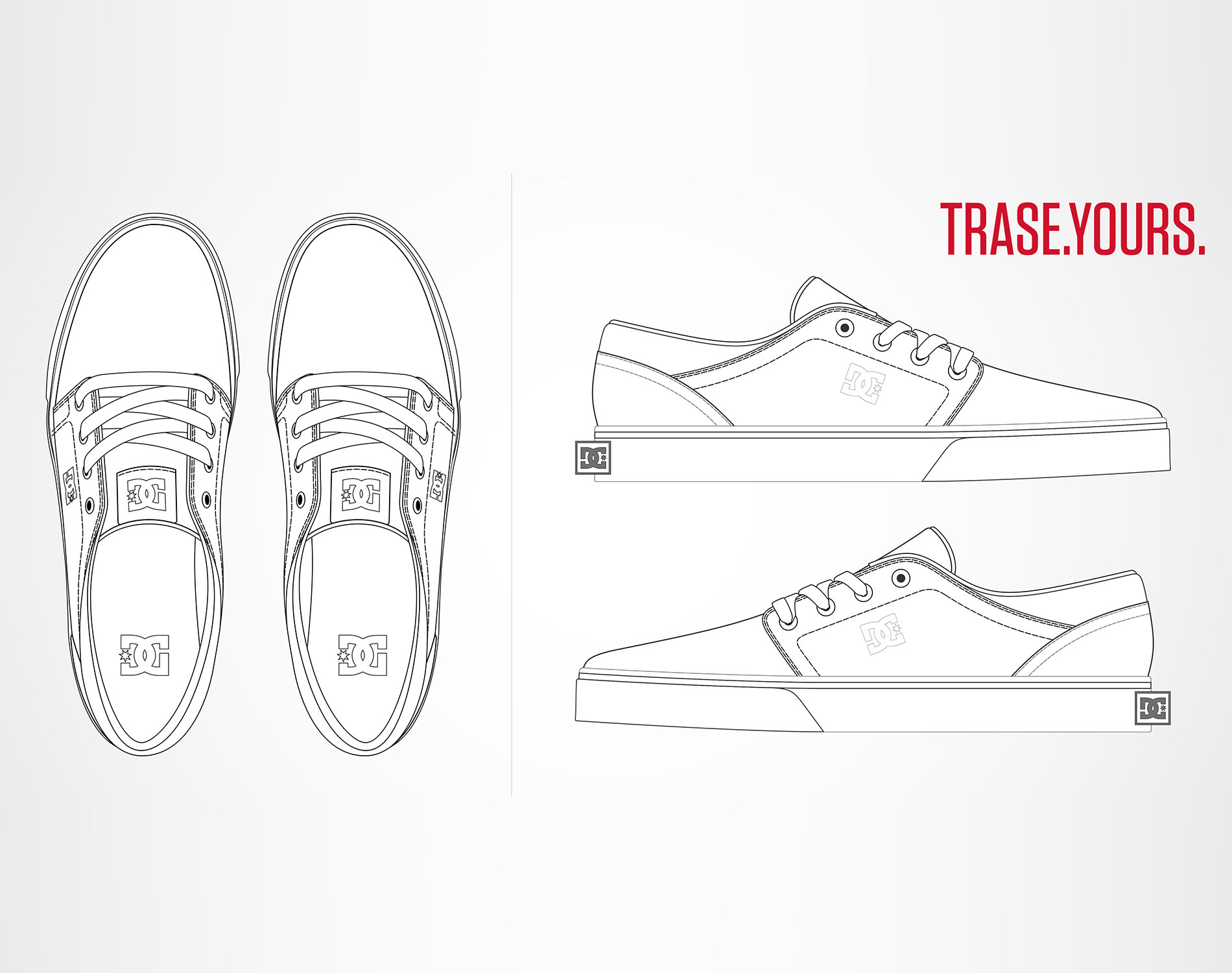
Shoe Design By Fashionary
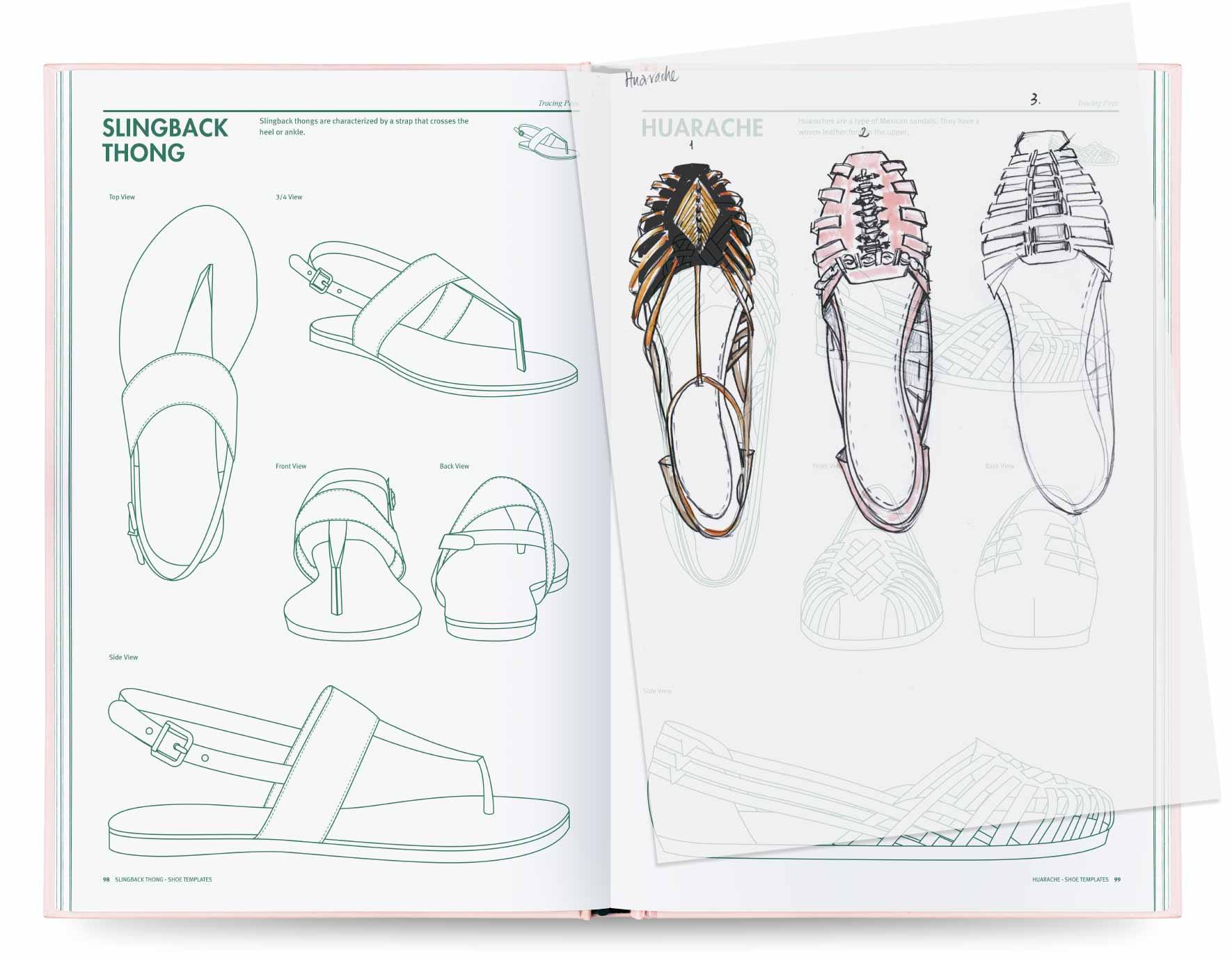
Footwear Fashion Flat Template :: Behance
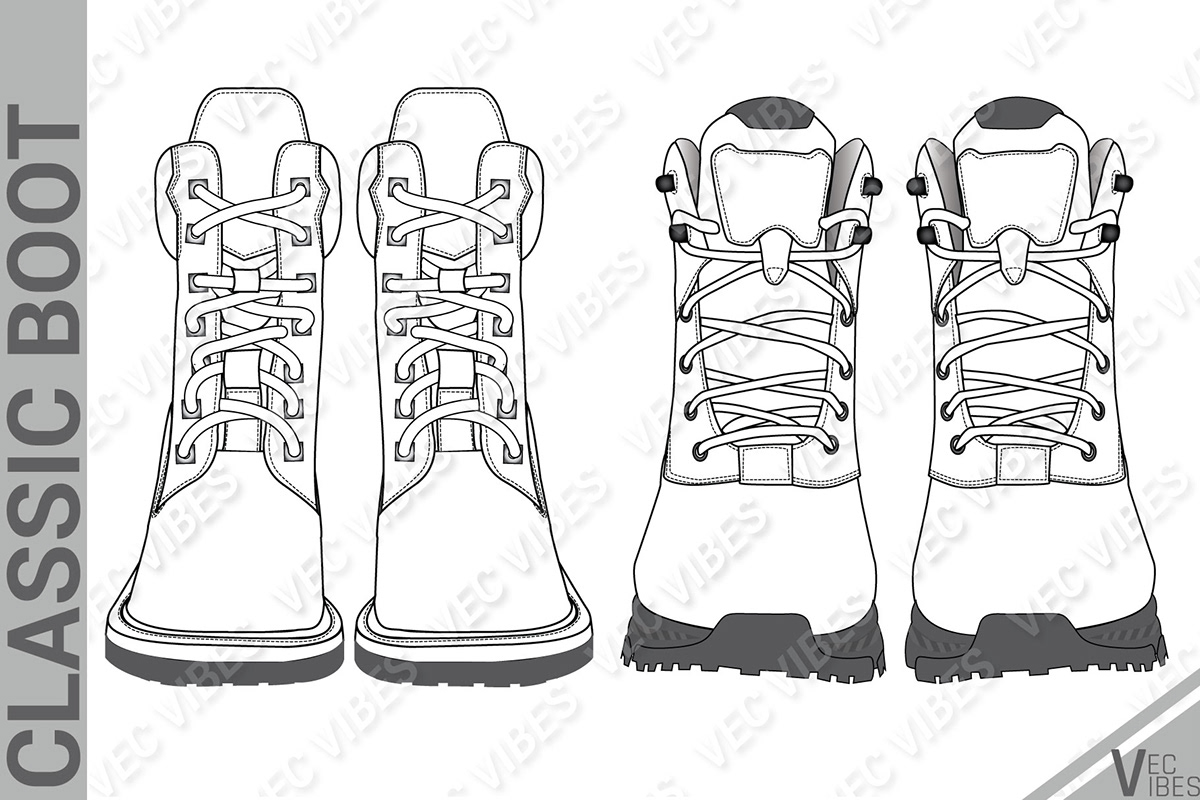
Shoe Design By Fashionary

Set Of Outline Cool Sneakers. Shoes Sneaker Outline Drawing Vector
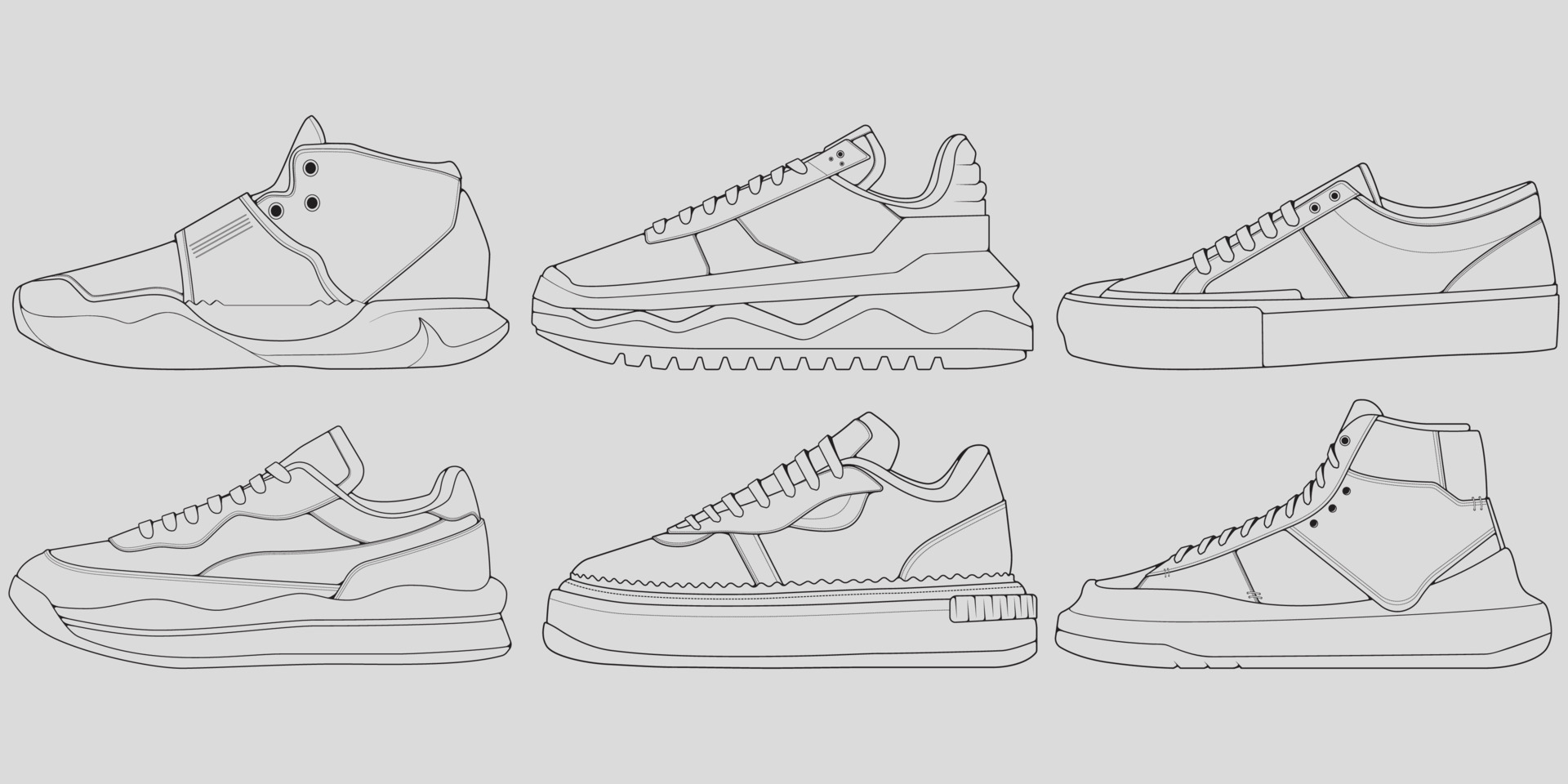
Blank Shoe Templates At Willard Corey Blog
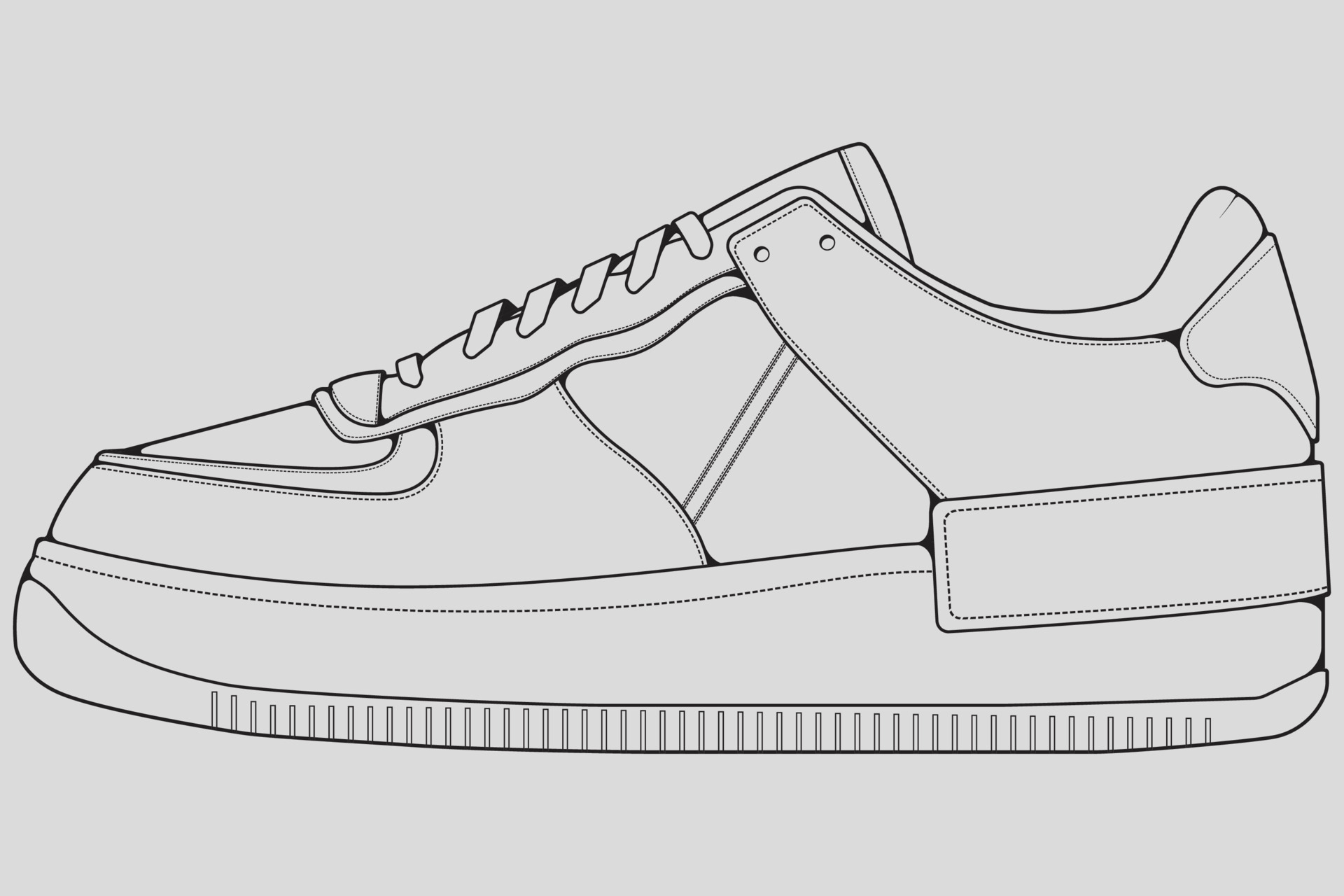
Blank Shoe Templates At Willard Corey Blog
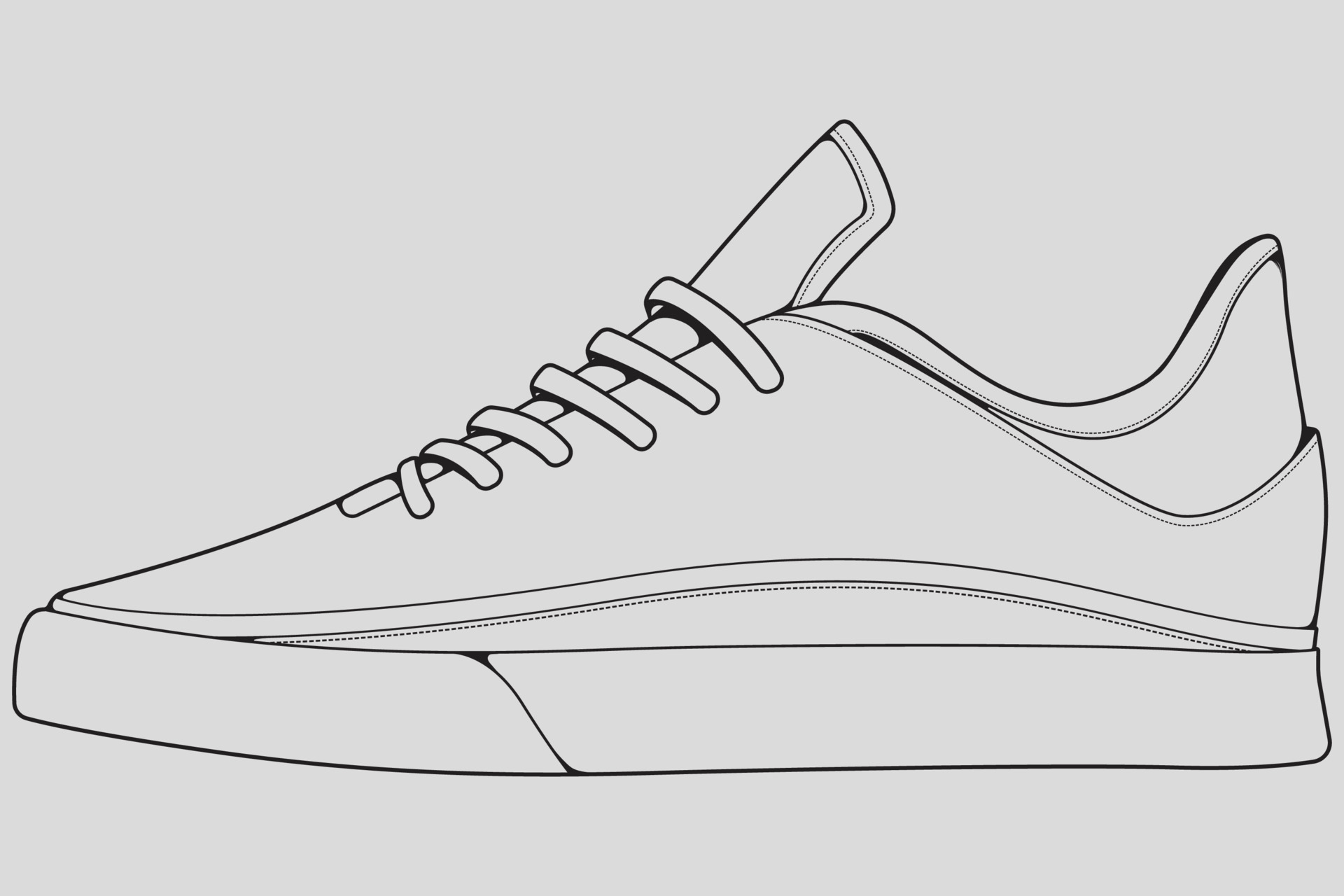
Shoe Design By Fashionary
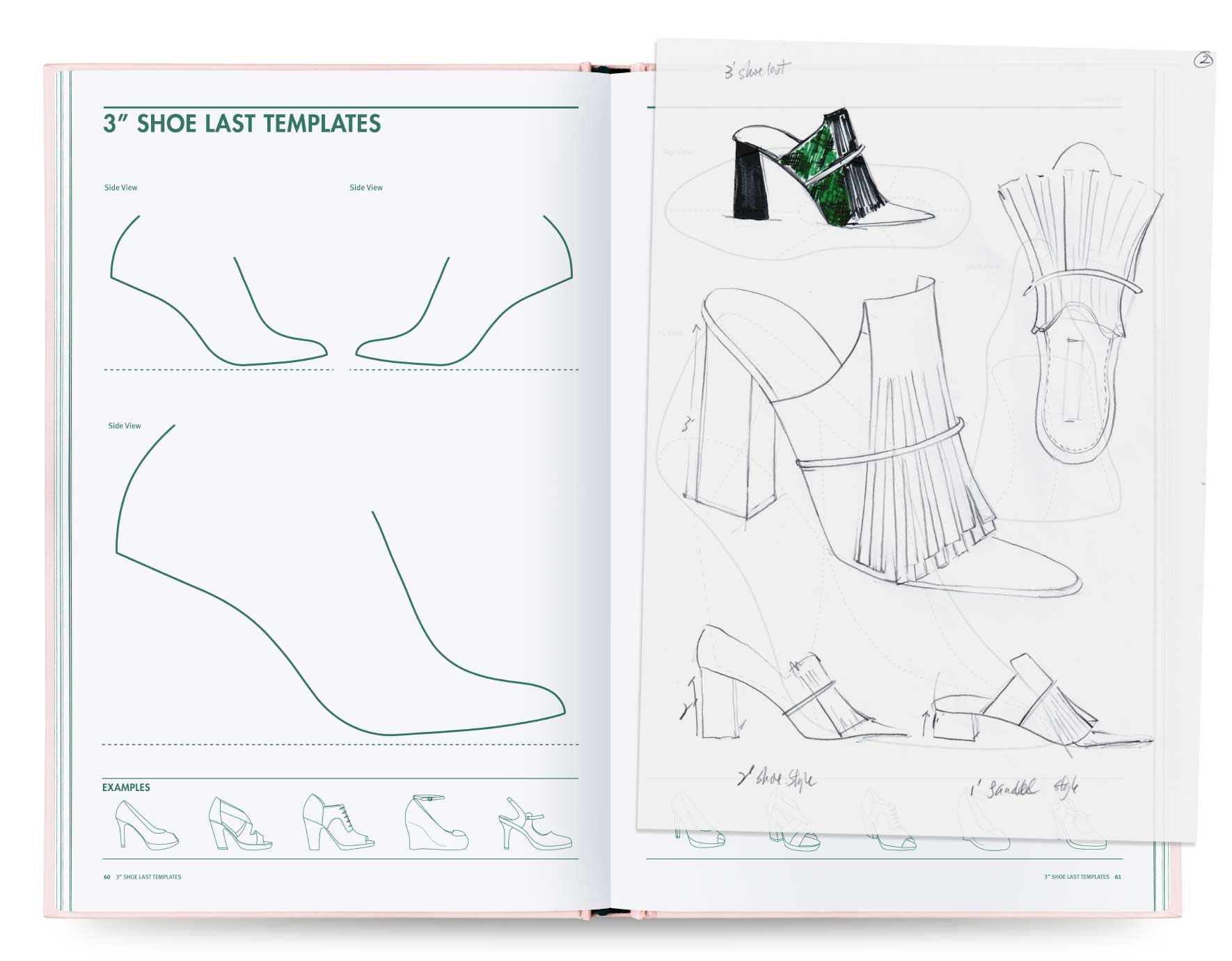
Shoe Template Printable Pdf Free Download

Shoe Design By Fashionary
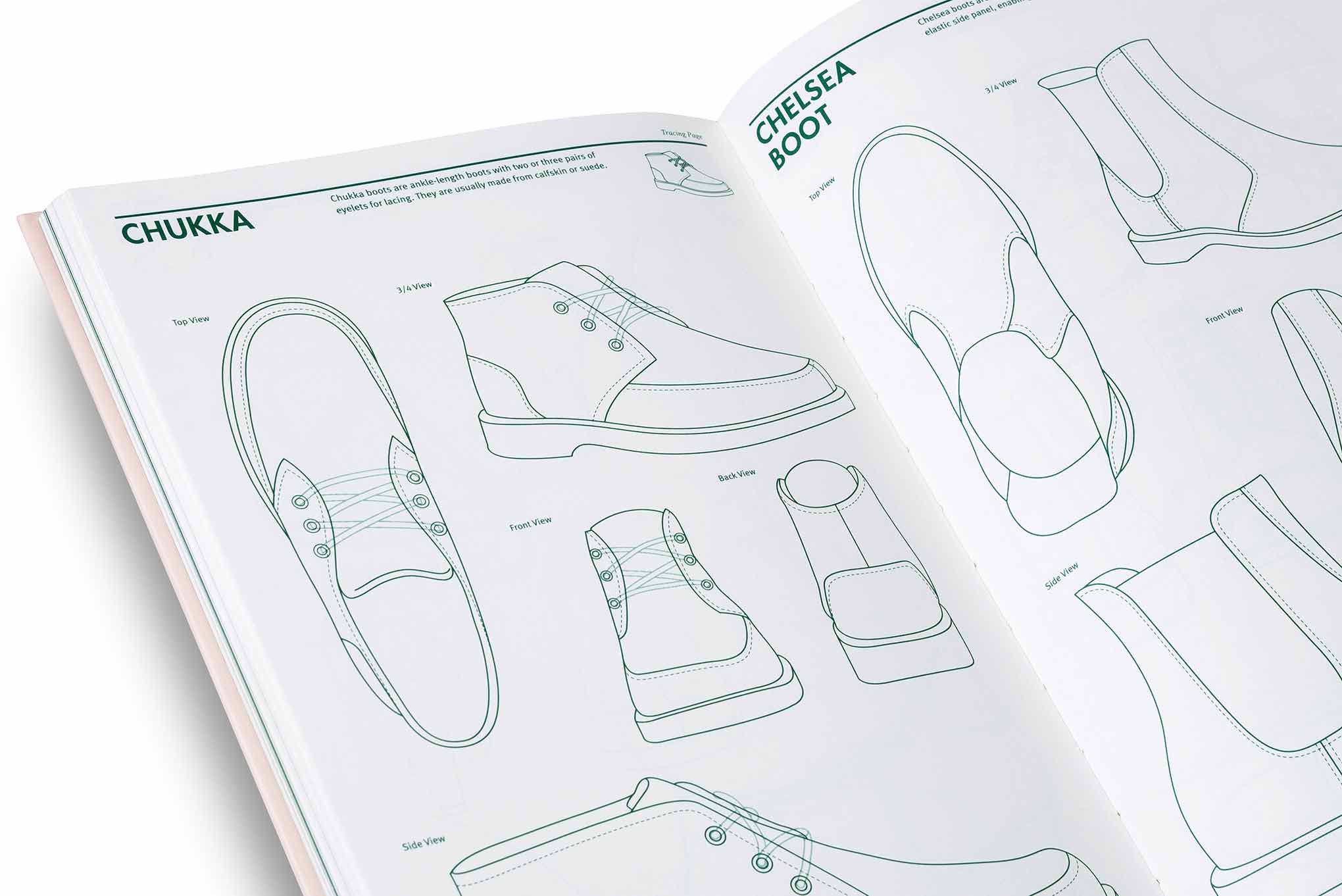
Nike Sneaker Template
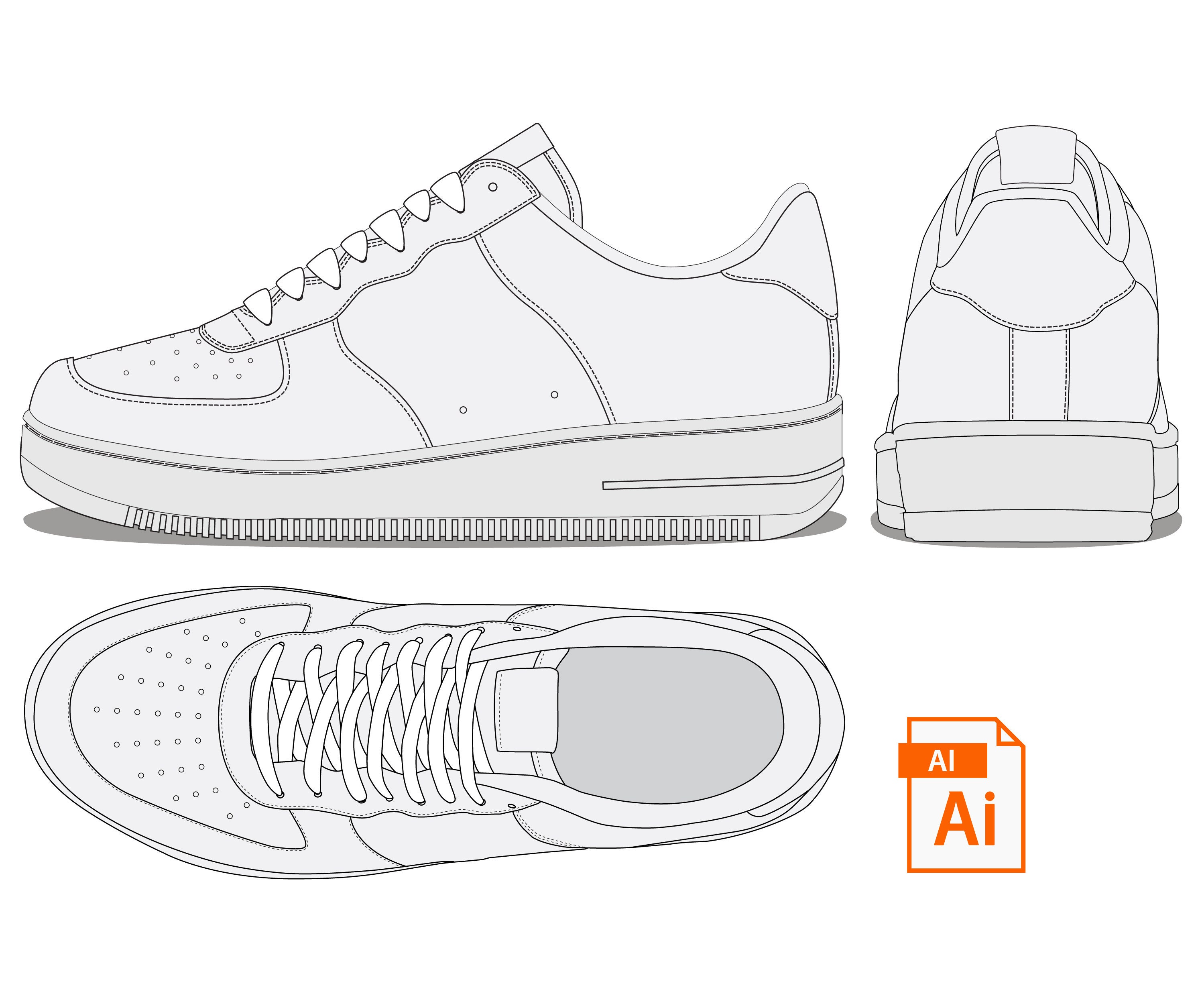
Design Your Own Shoe Template, Design A Custom Shoe By Uploading Images

Shoe Drawing Template At PaintingValley.com | Explore Collection Of
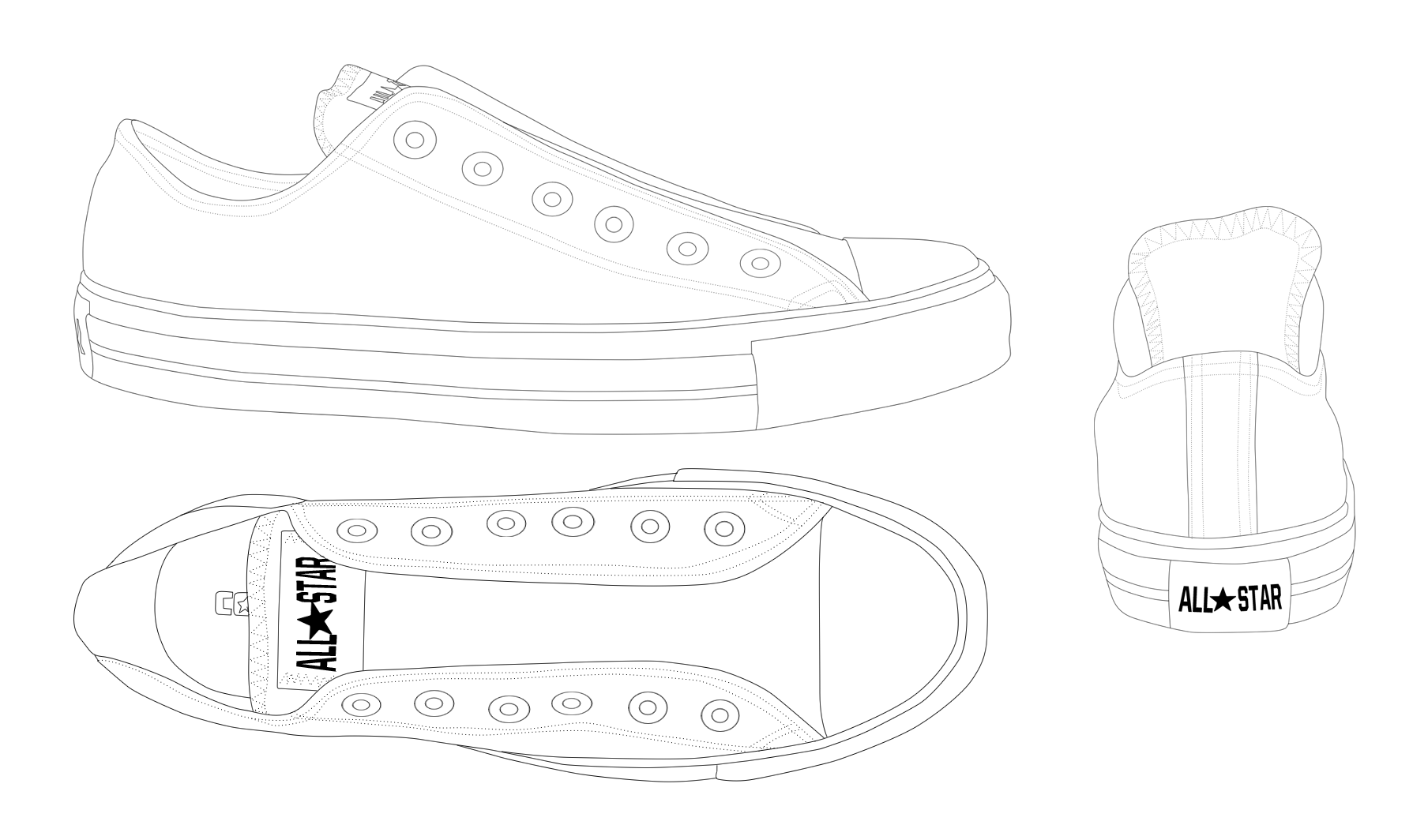
Printable Shoes Template

Shoe Template Kids
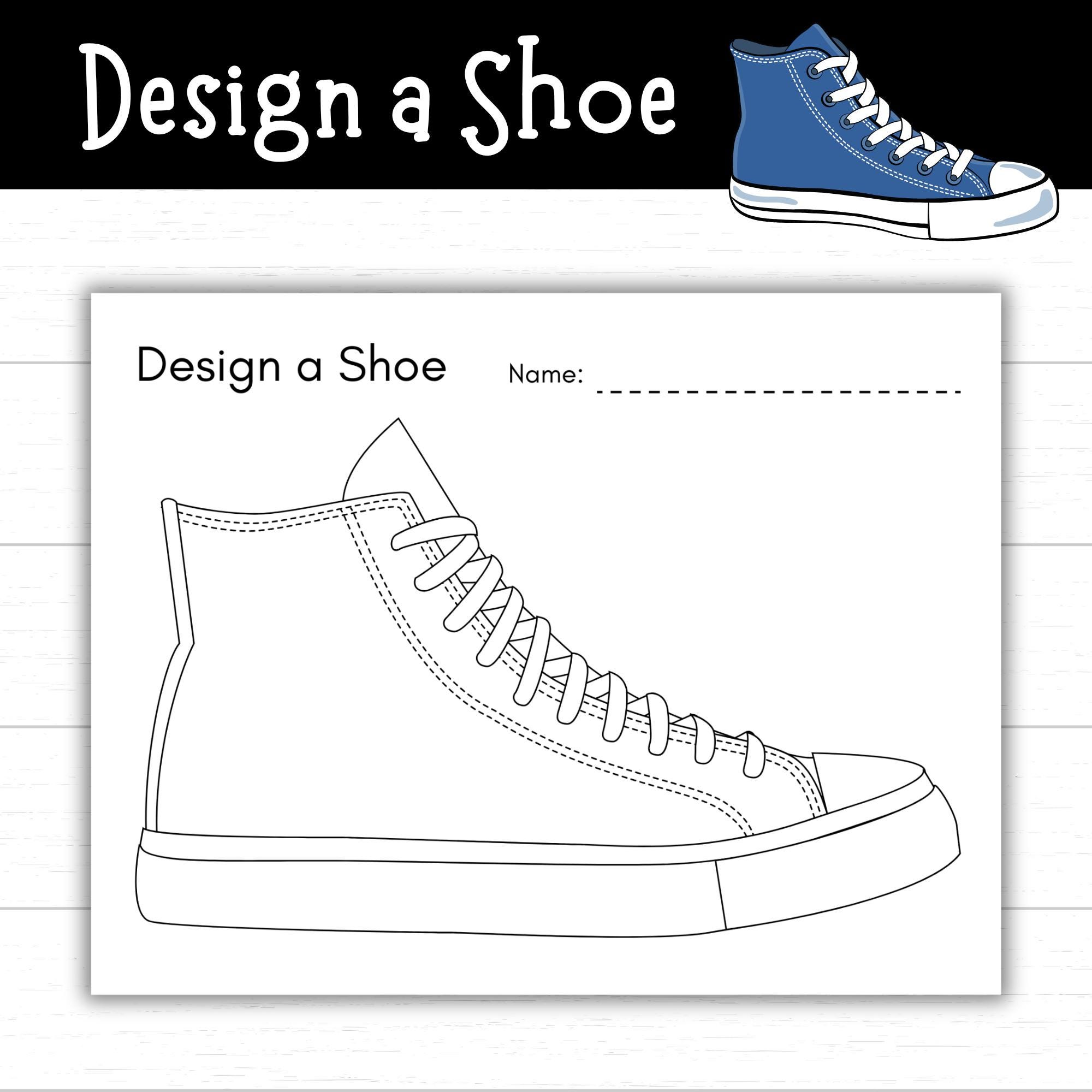
Dwg Shoe Design Templates
Shoe Design Template – Best Templates Resources


