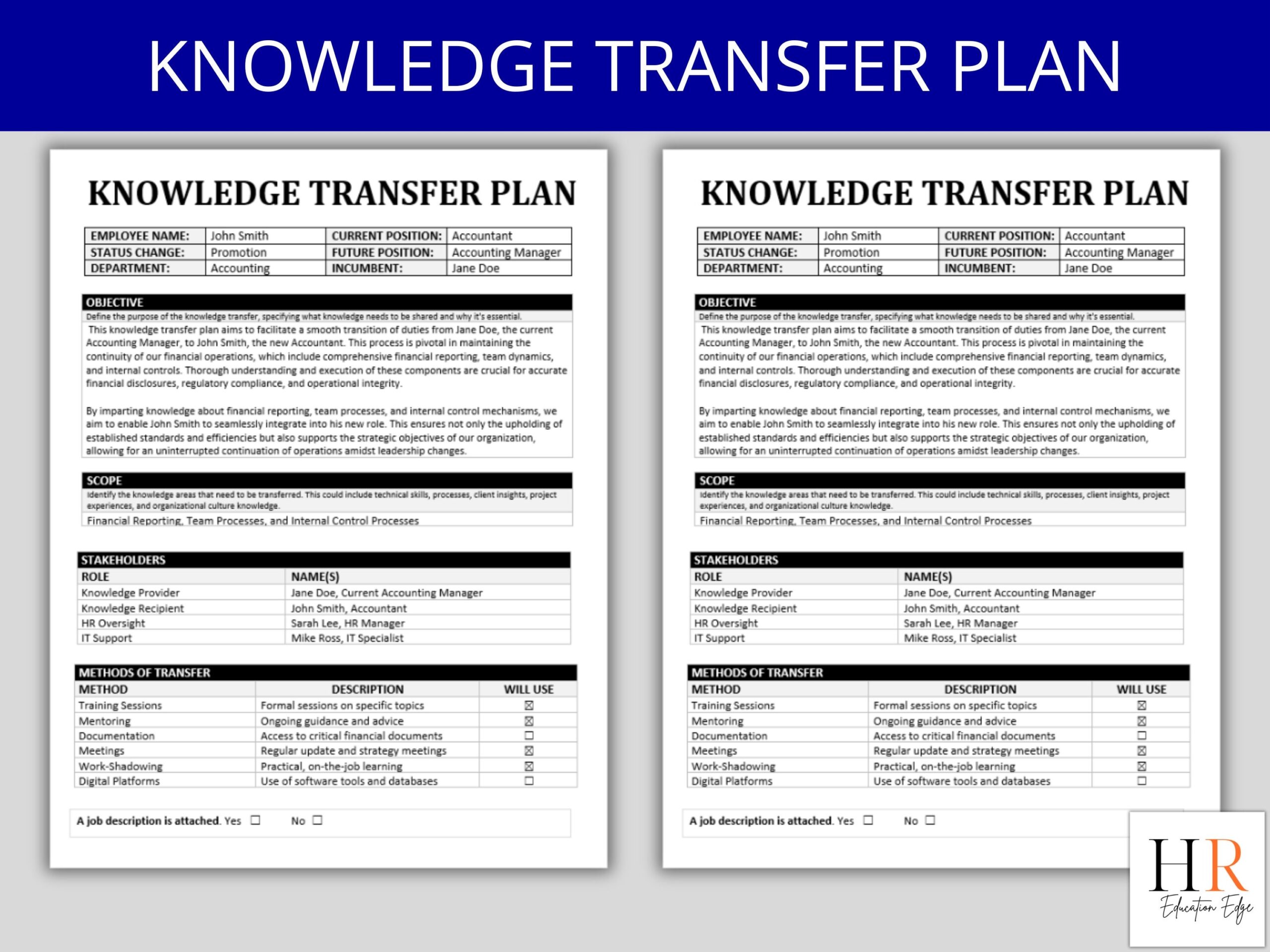
5 Essential Components of a Comprehensive Knowledge Transition Plan
When an employee leaves or retires, it’s not just the work that stays behind – their invaluable knowledge and expertise do too. This is why a well-crafted knowledge transition plan is essential to minimize disruptions and ensure continuity in your organization. In this article, we’ll break down the key elements to include in a knowledge transition plan template and how to implement them effectively.
1. Identify Critical Tasks and Responsibilities
The first step in creating a knowledge transition plan is to determine which tasks and responsibilities can’t be lost when an employee departs. Identify the key roles, processes, and projects that are critical to the operation of your business and who will be affected by the knowledge loss. This will help you prioritize the most important knowledge areas to focus on during the transition process.
2. Capture and Document Knowledge Assets
Not everything is learned through experience, and your organization has a wealth of knowledge stored in various formats. Document your knowledge assets, including employee guides, manuals, meeting minutes, and training materials. This will help you preserve the collective expertise of your team members and ensure that new employees can access the information they need to succeed.
3. Identify Knowledge Owners and Trainers
Determining who is responsible for training new employees and maintaining the knowledge assets created during the transition process is crucial. Choose trainers who have a deep understanding of the relevant tasks, processes, and projects and identify knowledge owners who are familiar with the key roles and responsibilities. This will help ensure that your new employees receive accurate training and support.
4. Develop a Formal Onboarding Process
A comprehensive onboarding process is essential for a smooth knowledge transition. Create a structured onboarding program that includes training, mentoring, and guidance. This will give new employees the support they need to quickly get up-to-speed with the tasks, processes, and projects that are critical to the operation of the business.
5. Establish a Knowledge Base or Shared Filing System
A secure, centralized knowledge base or shared filing system can help preserve and distribute your organization’s collective knowledge. Store documents, articles, and guides in a format that is easily accessible and up-to-date. This will enable new employees to quickly access the information they need, reducing delays and errors.
6. Set Key Performance Indicators (KPIs)
To measure the effectiveness of your knowledge transition plan, establish KPIs that quantify the success of the process. This could include metrics such as reduced downtime, improved productivity, or enhanced customer satisfaction. Monitor these KPIs regularly to identify areas that require improvement and make adjustments accordingly.
7. Train Knowledge Champions
Nominate knowledge champions who will lead the knowledge transition process and support new employees as they learn critical tasks and processes. Provide these champions with the skills and resources they need to excel in their roles. They will be instrumental in ensuring that knowledge is transferred effectively throughout the organization.
8. Communicate Effectively Throughout the Process
Effective communication is key to a successful knowledge transition. Ensure that all parties involved are informed of the transition plan, expectations, and timelines. This will help prevent misunderstandings and ensure that everyone is working together towards a common goal.
9. Continuously Review and Update the Plan
As employees join or leave the organization, knowledge transition processes need to be adapted accordingly. Regularly review your knowledge transition plan and update it to reflect changing circumstances, new processes, and emerging challenges. This will ensure that your organization remains competitive and continues to grow and innovate.
10. Empower Knowledge Sharing and Collaboration
Knowledge sharing is a two-way street. Encourage employees to share their knowledge and experiences with others, using tools like collaborative software and regular team meetings. Foster an open culture that promotes knowledge sharing, learning, and innovation. This will help your organization harness the collective knowledge of its employees and stay ahead of the curve.
Transition Planning PowerPoint Template
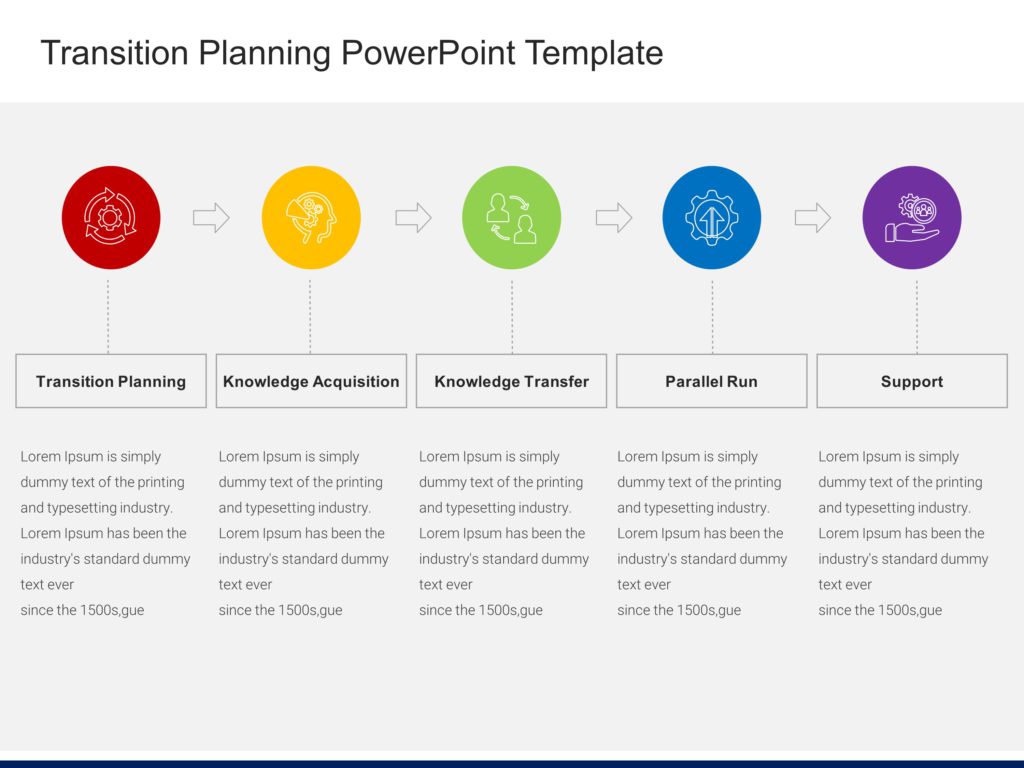
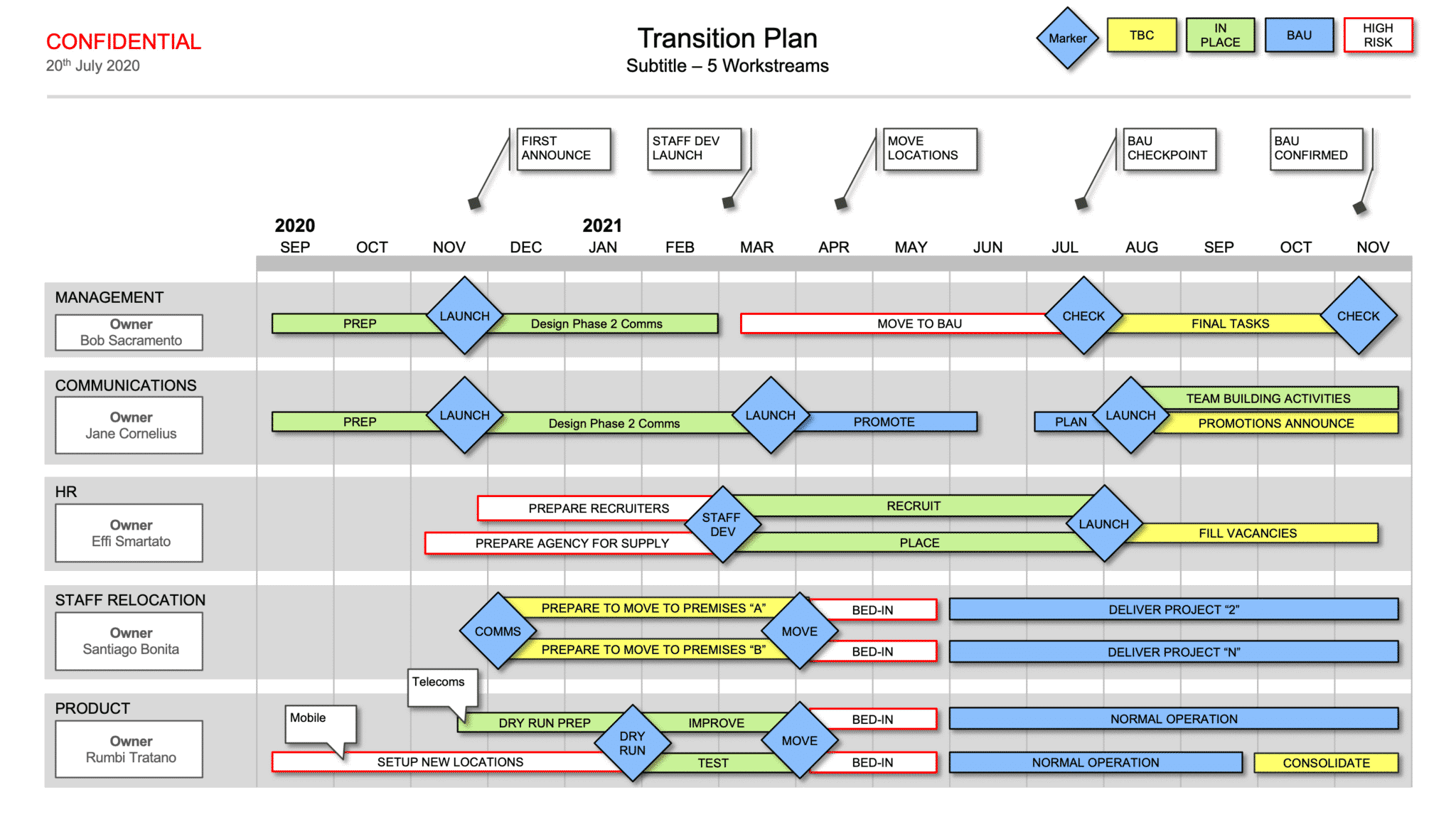
Transition Plans Templates
Knowledge Transfer Plan Template: Succession Planning HR Tool (digital
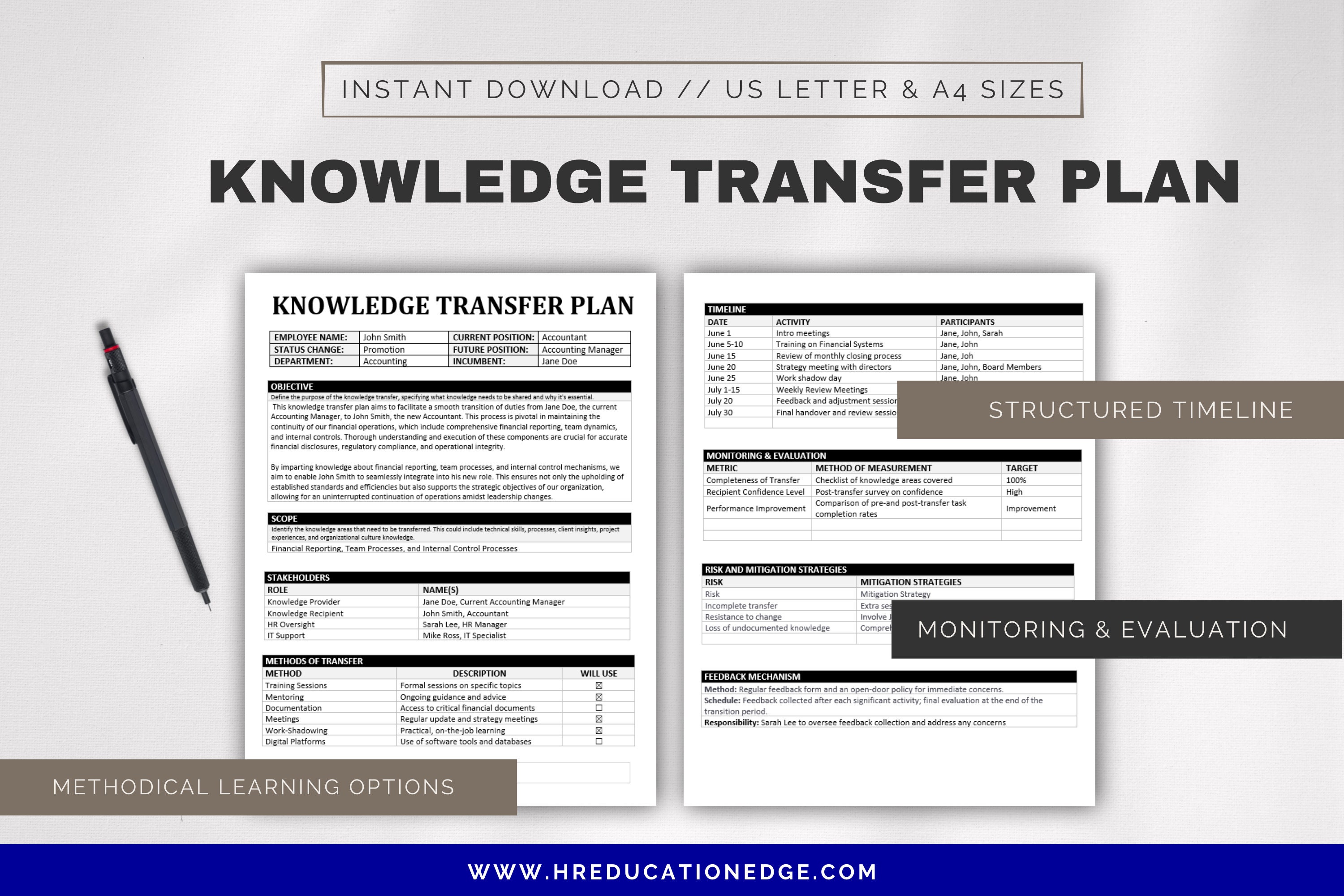
Knowledge Transition Plan Template – All Worksheets
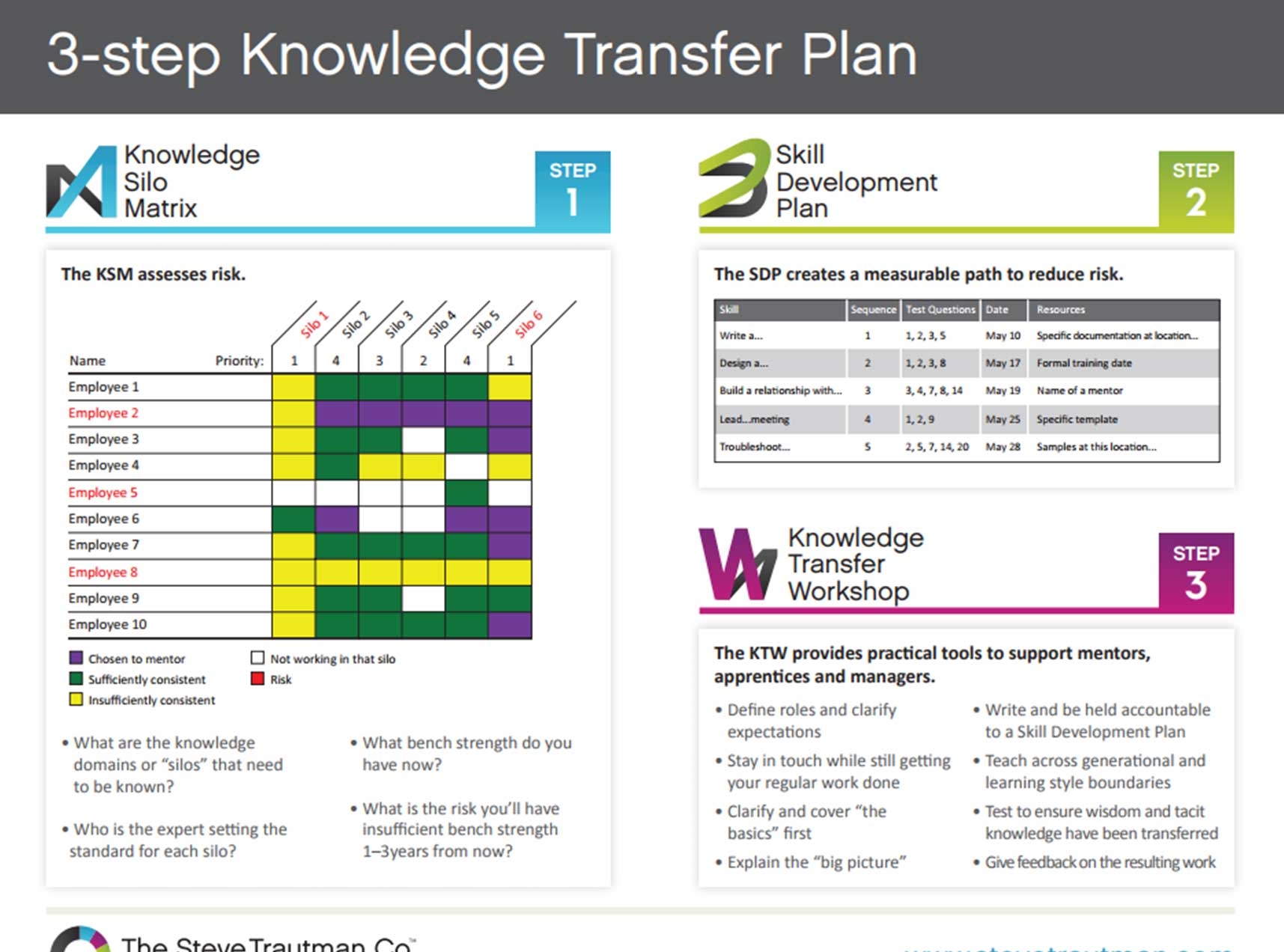
Knowledge Transfer Employee Transition Plan Template

Looking Good Knowledge Transition Plan Template Excel Training Calendar

Inspirating Tips About Knowledge Transfer Plan For It Projects Excel

Free Work Transition Plan Templates (Excel)
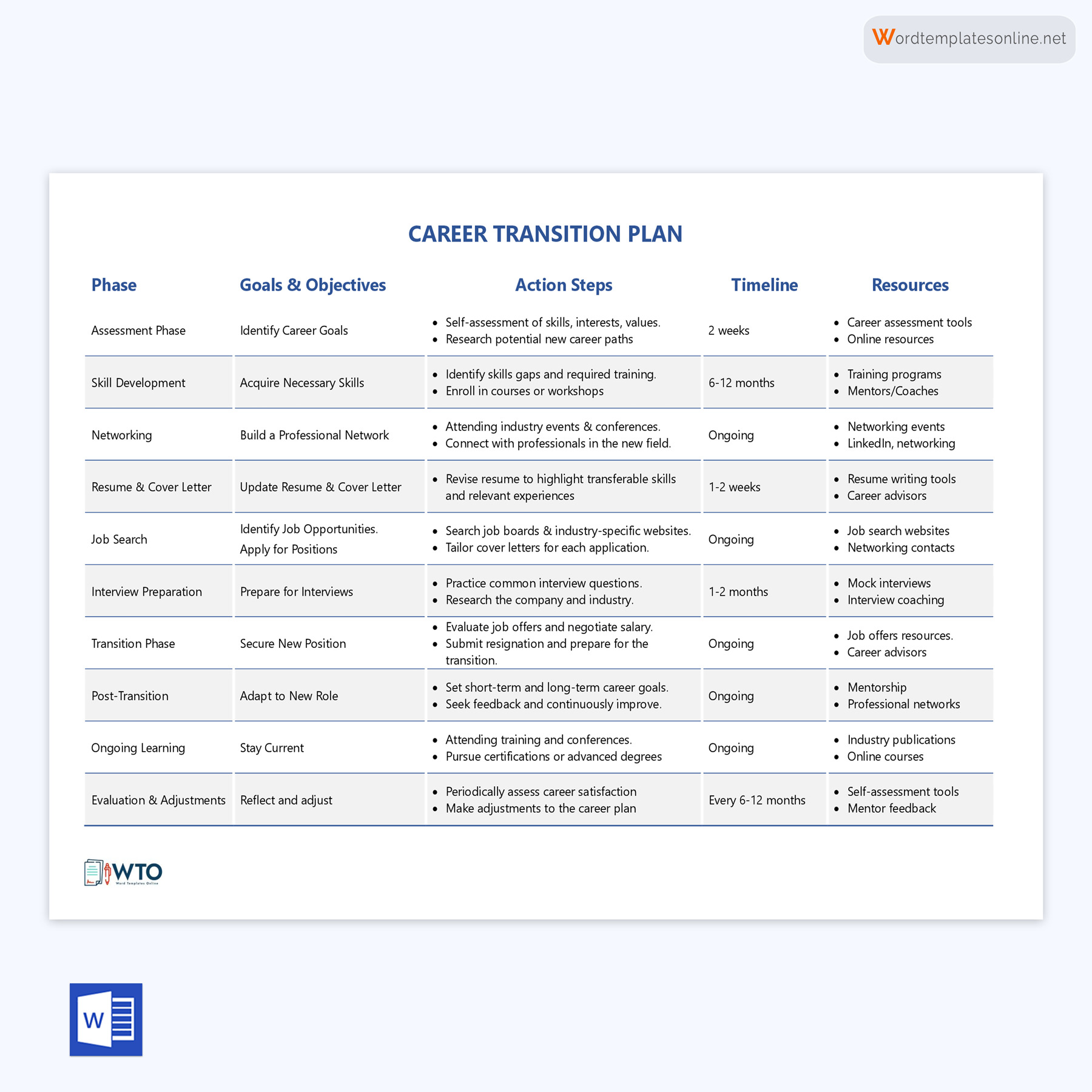
Transition Plan Template Excel 40+ Transition Plan Templates (Career,

Knowledge Translation Planning Template© | Resource Details | National
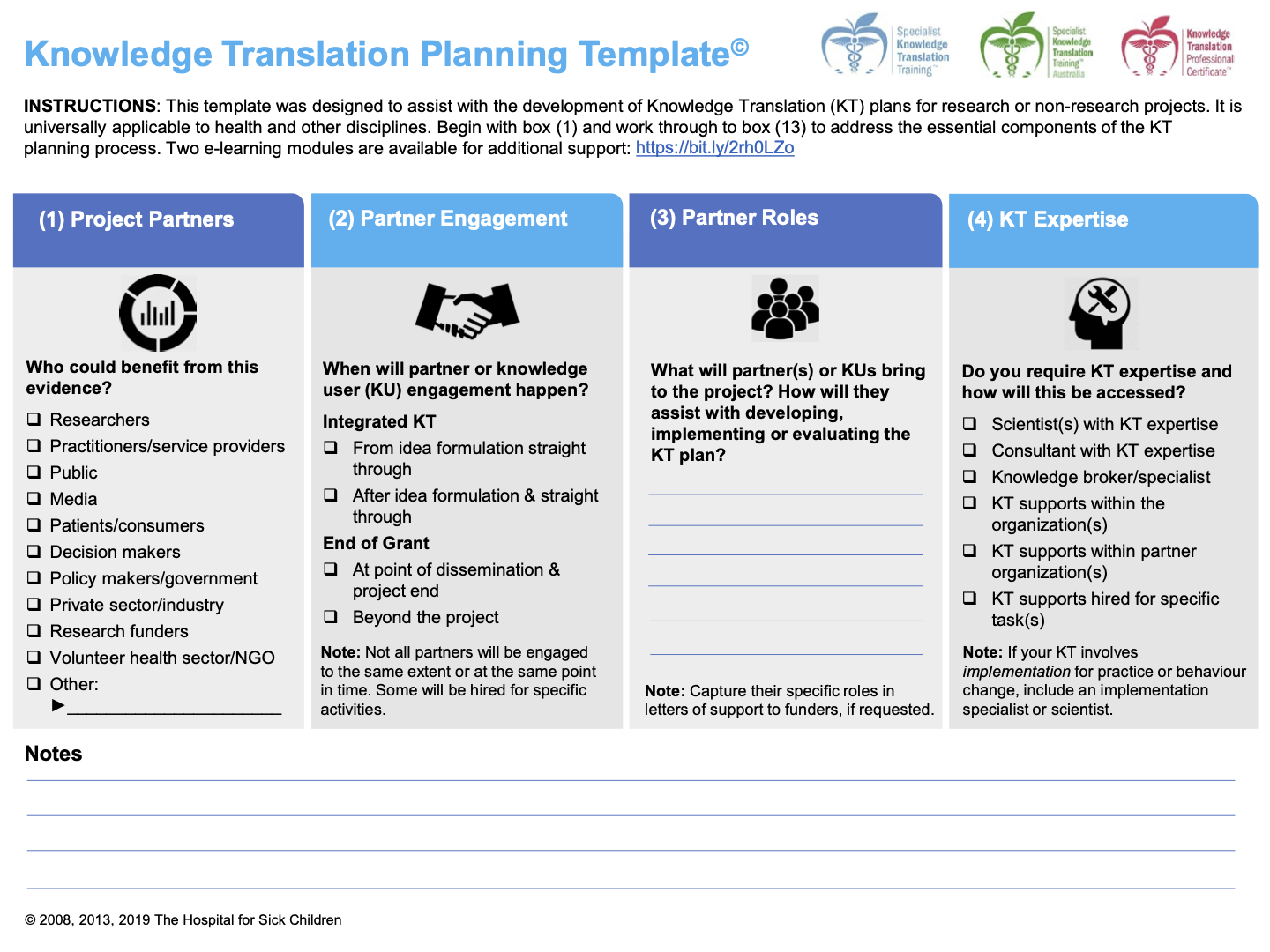
Execute Flawless Transitions With A Transition Plan Template • Asana
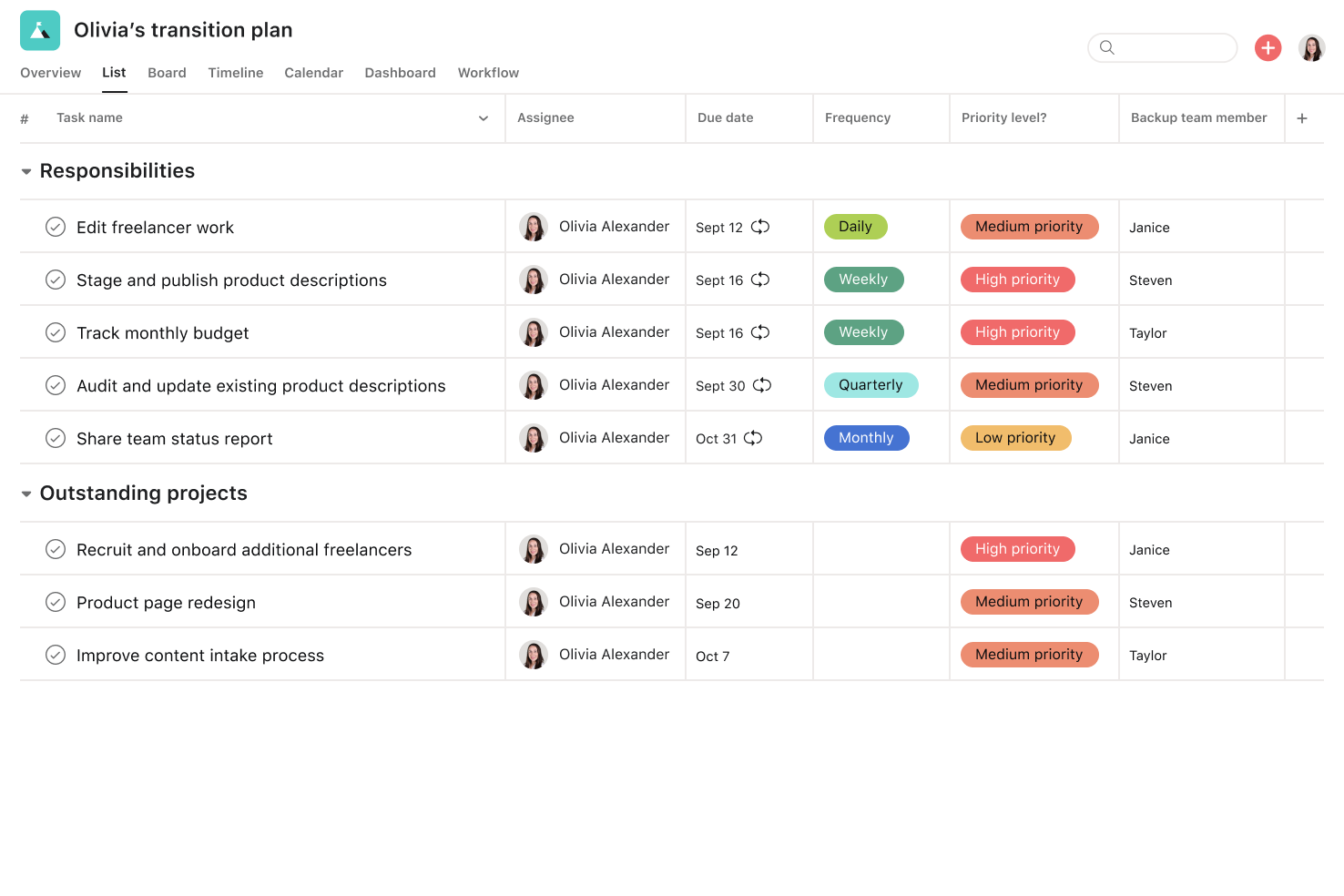
Project Transition Plan Template Excel
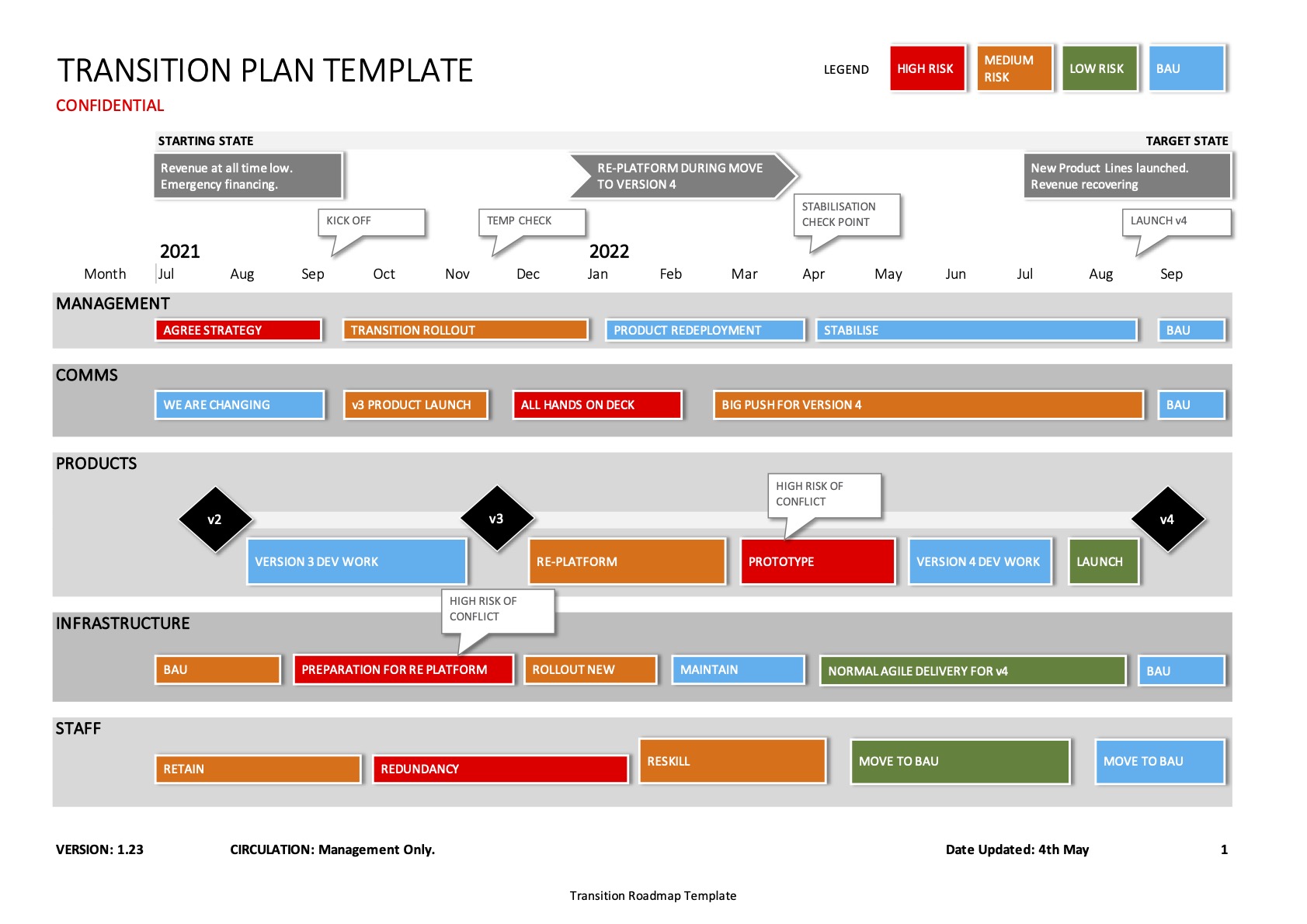
Knowledge Transition Plan Template – All Worksheets
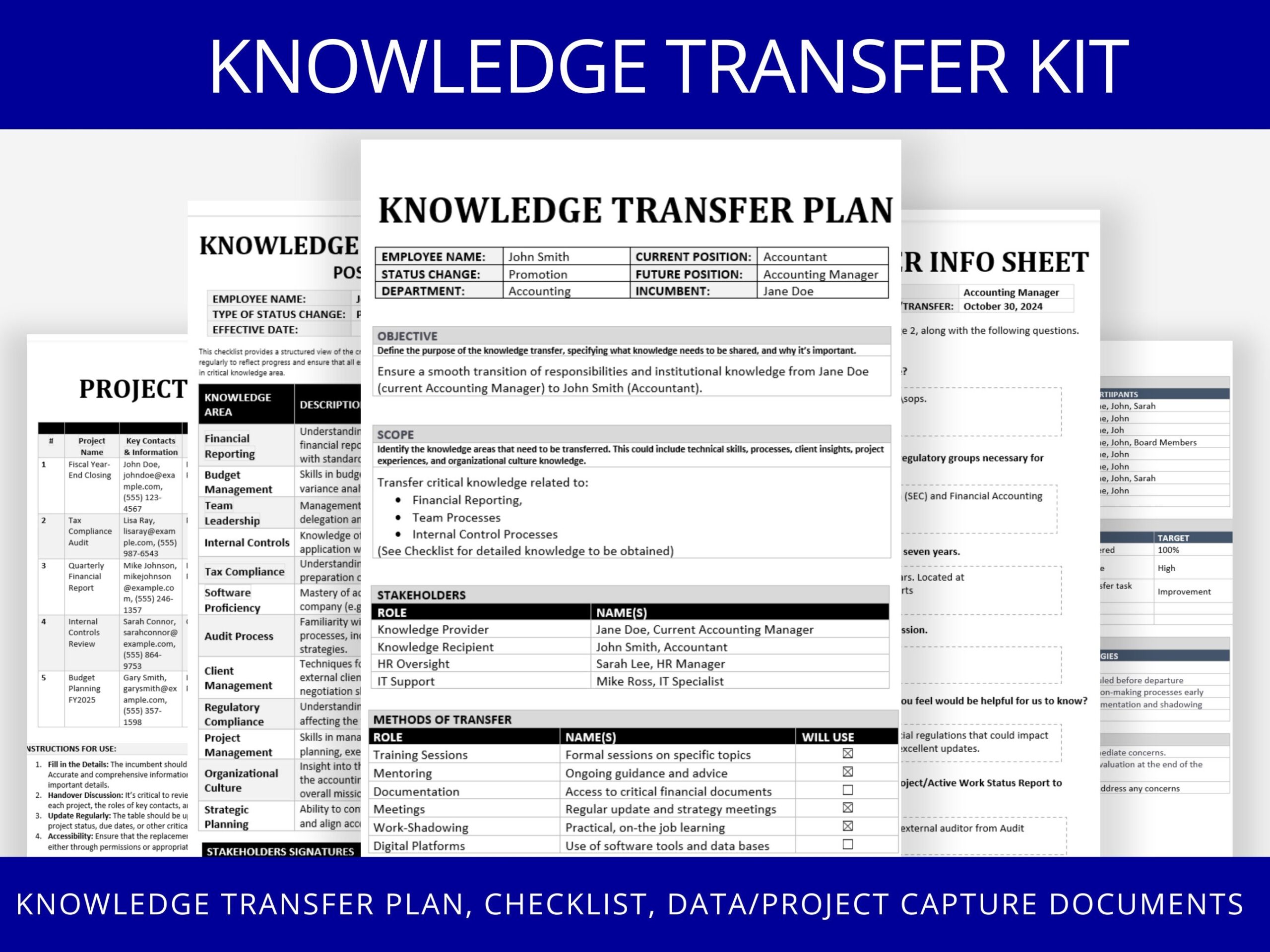
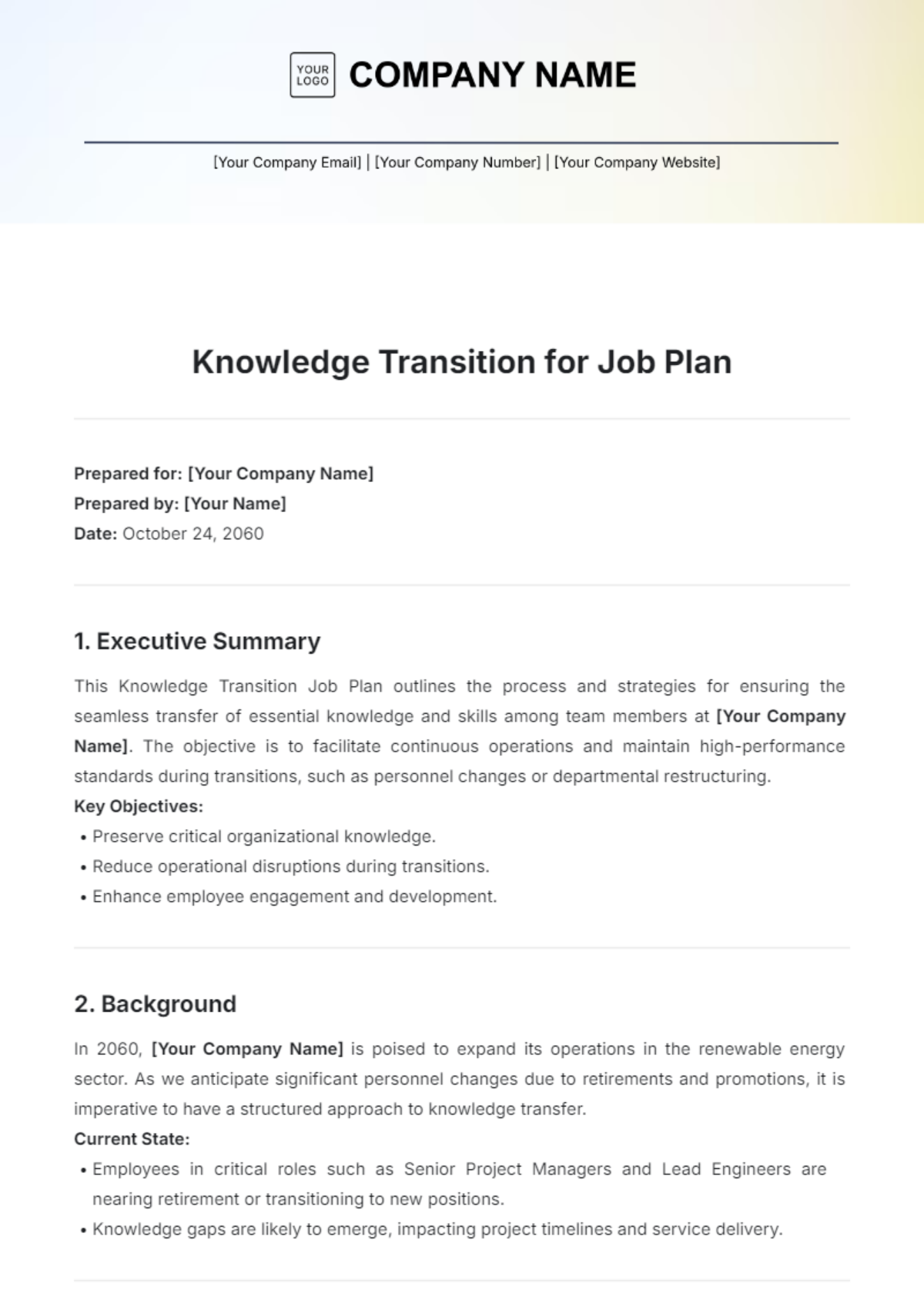
Free Knowledge Transition For Job Plan Template To Edit Online
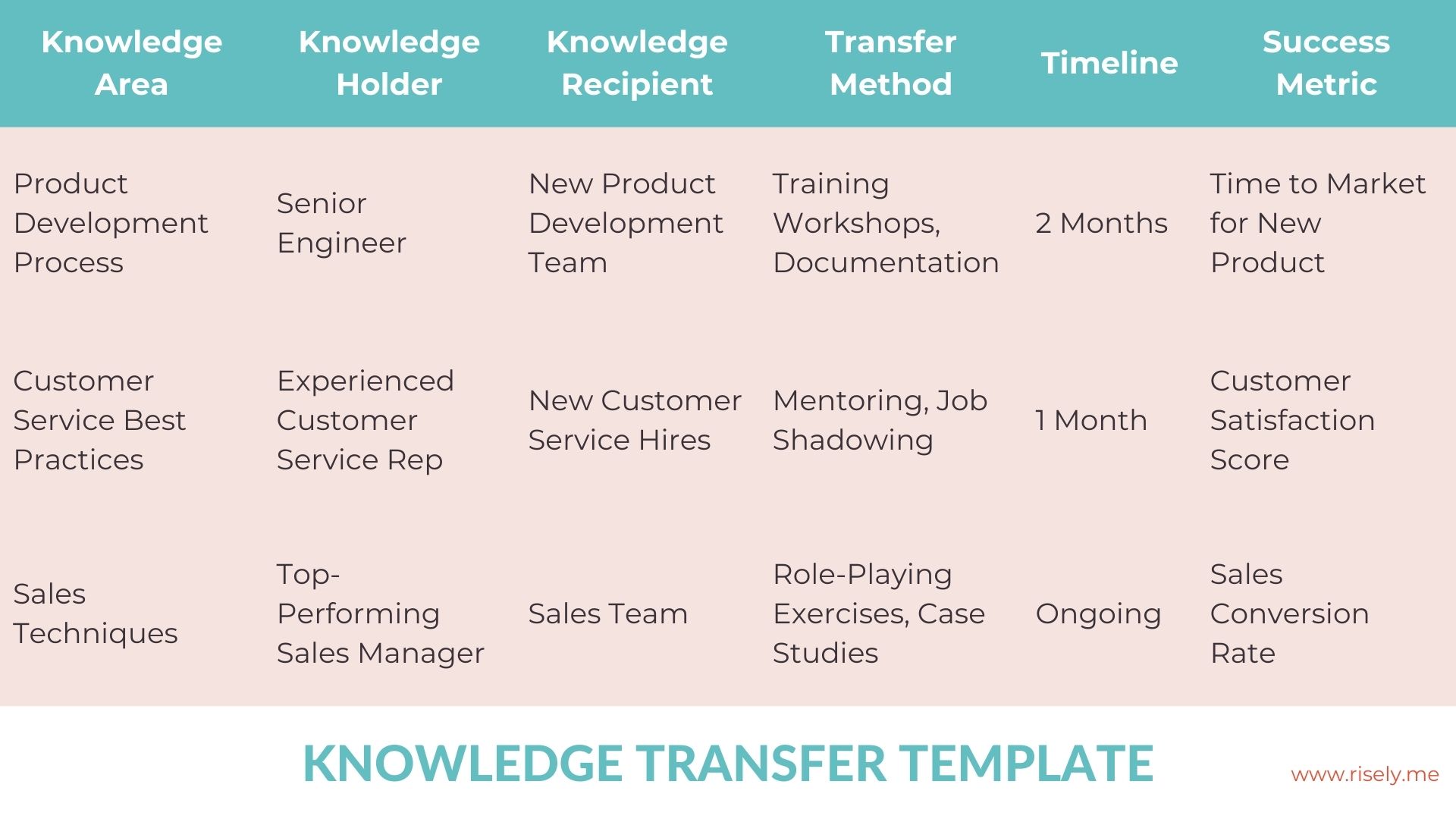
How To Craft A Winning Knowledge Transfer Plan? – Risely
Transition Plan Template In Excel, Google Sheets – Download | Template.net
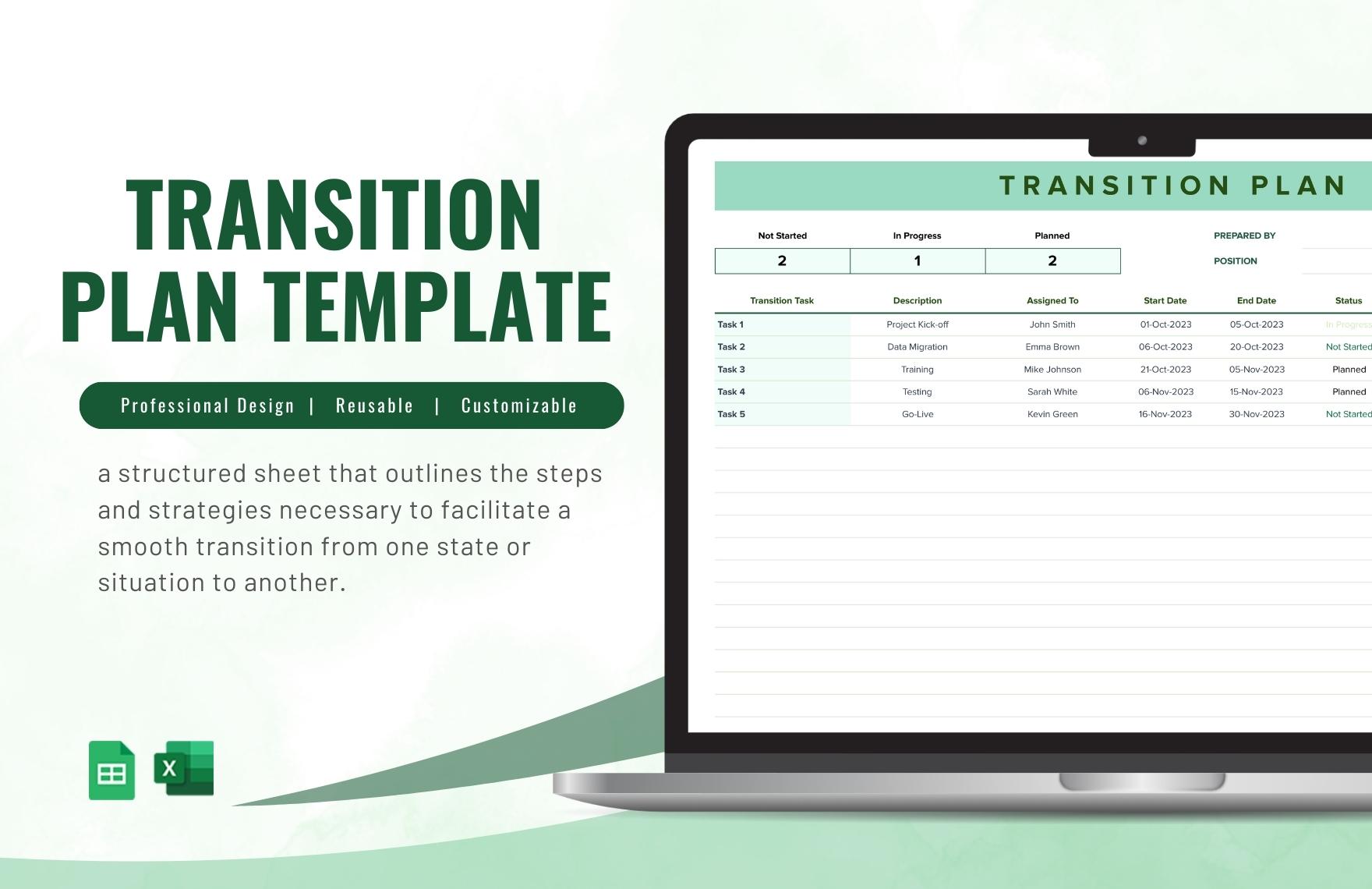
Effective Knowledge Transfer Employee Transition Plan Excel Template

Transition Plan Template | Confluence
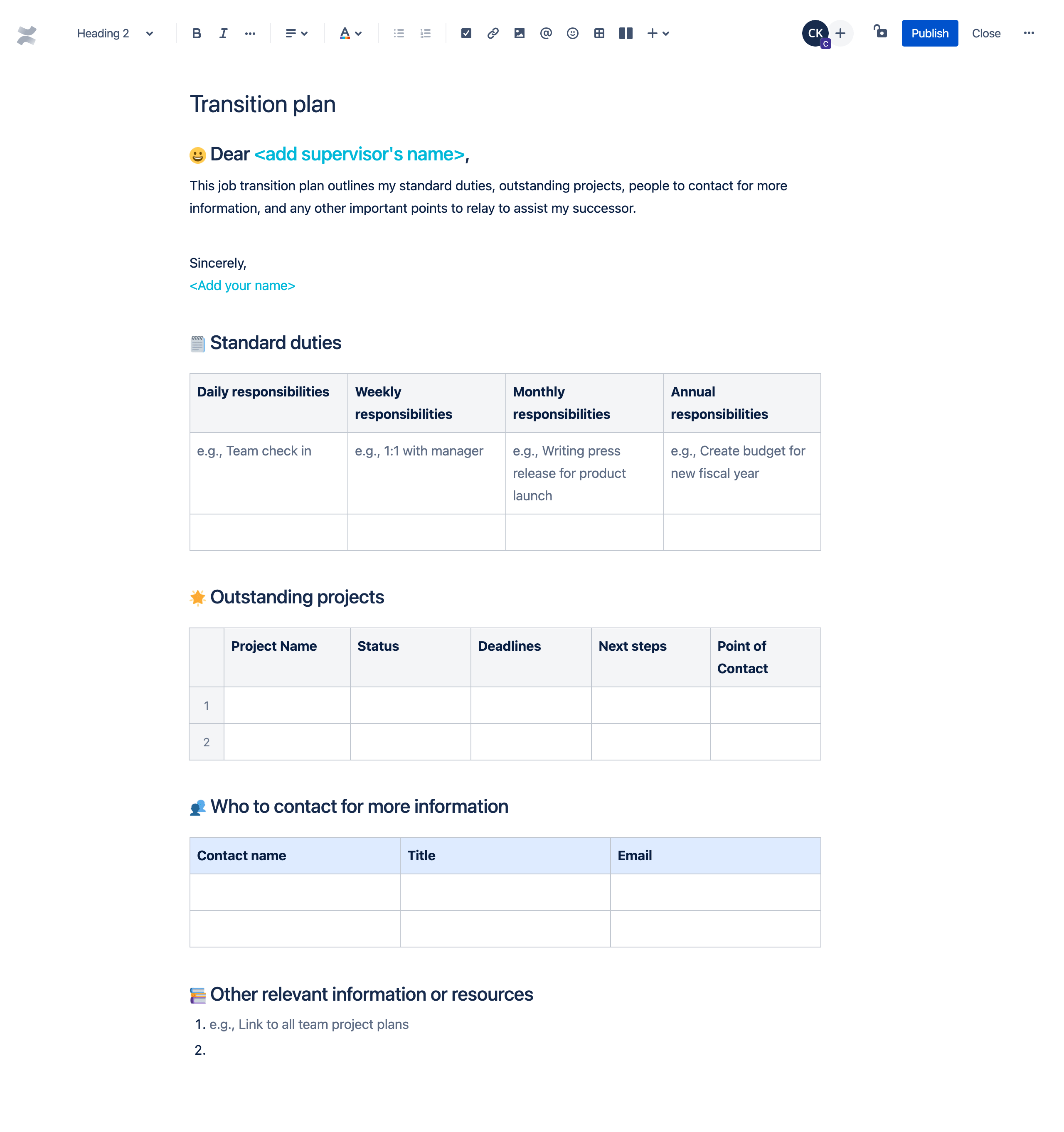
Knowledge Transfer Work Transition Plan Template | PDF Template
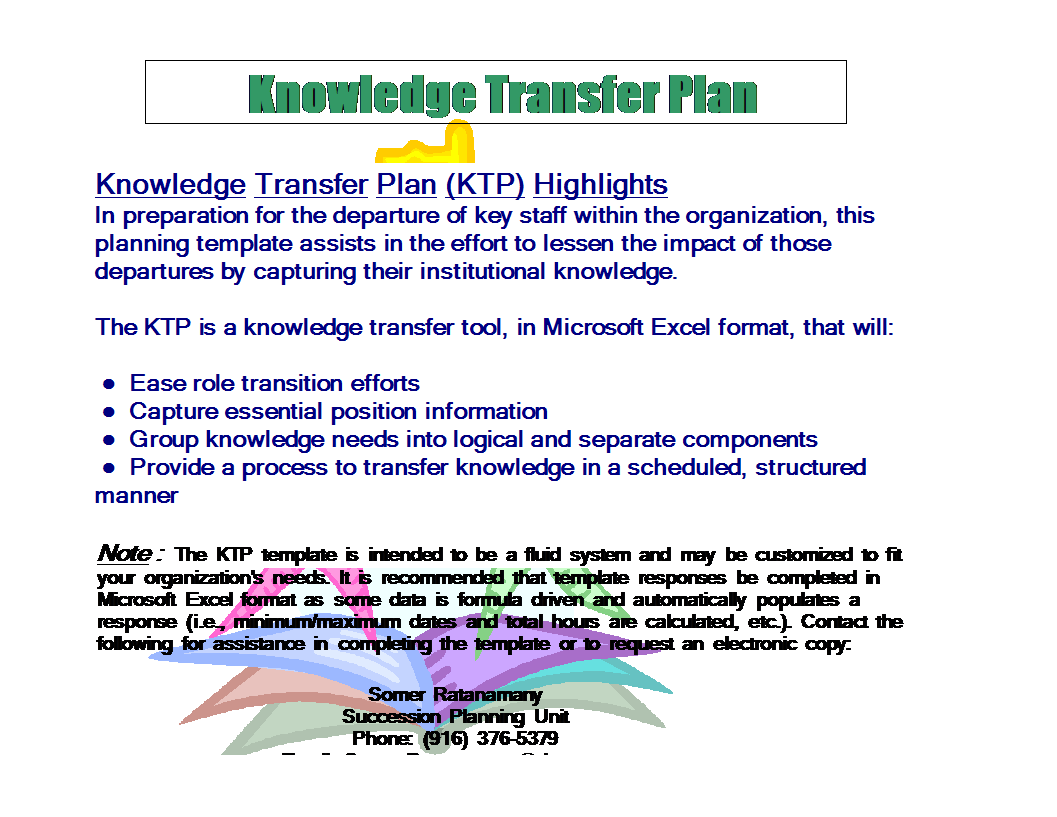
Knowledge Transition Plan Template – All Worksheets