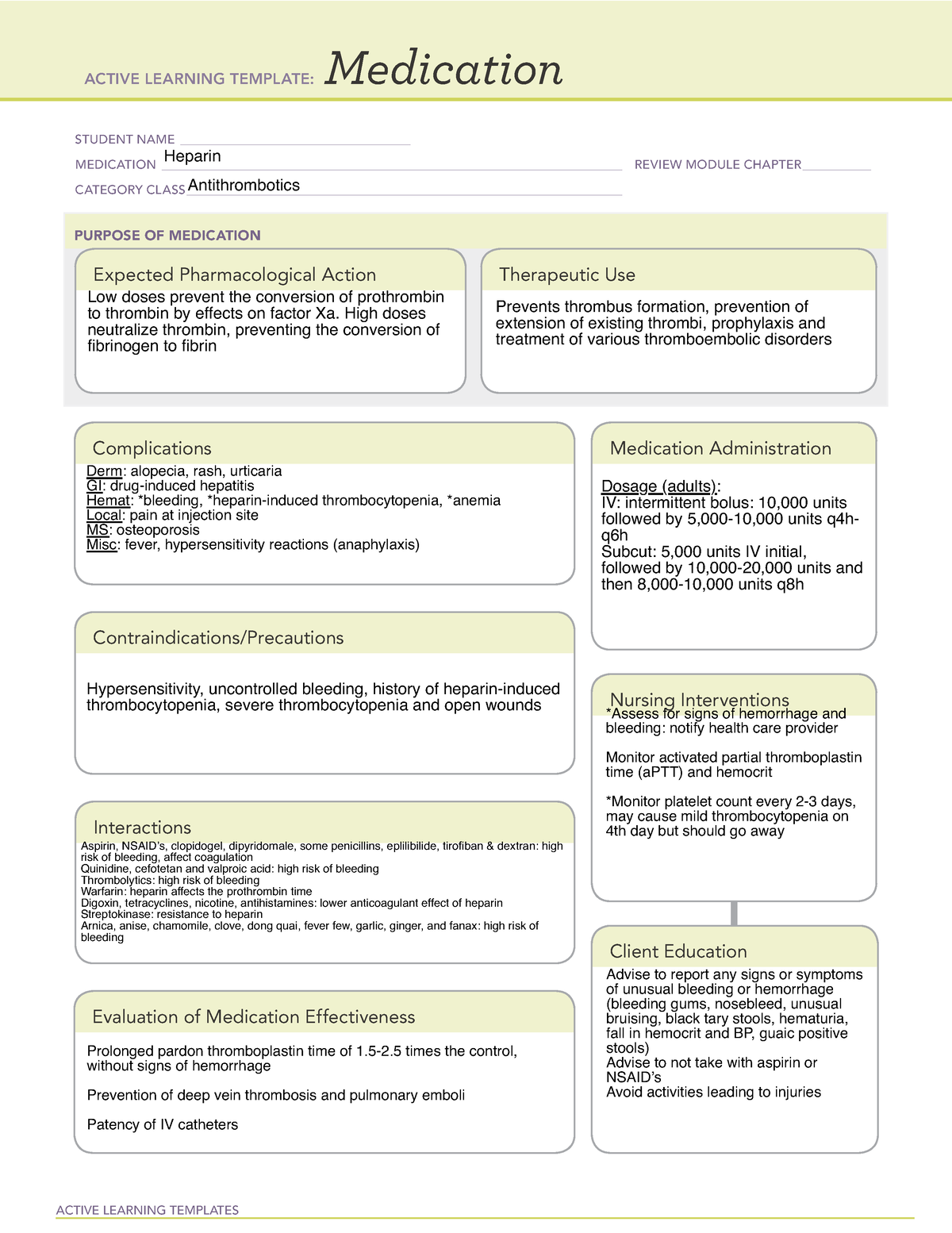
If you’re a nursing student or a healthcare professional, chances are you’ve come across the Heparin ATI (Assessment, Treatment, Intervention) medication template. But what exactly does it entail, and why is it so crucial in the practice of healthcare? Today, we’ll delve into the 9 essential components of the Heparin ATI medication template, and why they’re just as important as they sound.
### 1. Patient Assessment
The first step in the Heparin ATI template is patient assessment. This involves evaluating the patient’s medical history, current symptoms, and medications to identify potential risks and allergies. You’ll need to assess the patient’s platelet count, renal function, and liver function, among other factors, to determine the appropriate dosage and administration method. Proper patient assessment is crucial to avoid adverse reactions and ensure the patient’s safety.
### 2. Indication for Heparin Therapy
The next step is to determine the indication for heparin therapy. Heparin is often used to prevent deep vein thrombosis (DVT) and pulmonary embolism (PE), as well as to prevent and treat heparin-induced thrombocytopenia (HIT). You’ll need to evaluate the patient’s risk factors for DVT and PE, as well as any underlying medical conditions that may impact heparin efficacy or safety.
### 3. Heparin Dosing and Administration
Heparin dosing and administration are critical components of the Heparin ATI template. You’ll need to calculate the patient’s heparin dosage based on their weight, kidney function, and other factors. You’ll also need to determine the most effective administration method, such as intermittent heparin infusions, continuous heparin infusions, or subcutaneous injections.
### 4. Monitoring Heparin Therapy
Monitoring heparin therapy is essential to ensure the patient’s safety and efficacy. You’ll need to perform regular platelet counts, partial thromboplastin time (PTT) tests, and activated partial thromboplastin time (aPTT) tests to determine the patient’s response to heparin therapy. You’ll also need to monitor for signs of bleeding or thrombocytopenia, such as petechiae, bruising, or easy bruising.
### 5. Risk Factors for Heparin-Induced Thrombocytopenia (HIT)
HIT is a serious complication of heparin therapy, and it’s essential to identify risk factors for its development. You’ll need to evaluate the patient’s medical history, current medications, and laboratory results to identify potential risk factors, such as previous HIT episodes, history of cancer, or recent surgical procedures.
### 6. Laboratory Values and Heparin Therapy
Laboratory values play a crucial role in the management of heparin therapy. You’ll need to evaluate the patient’s kidney function, liver function, and platelet count to determine the optimal heparin dosage and administration method. You’ll also need to monitor for signs of bleeding or thrombocytopenia, such as elevated aPTT or PTT values.
### 7. Adverse Reactions to Heparin
Heparin can cause a range of adverse reactions, from mild to severe. You’ll need to educate the patient on potential side effects, such as bruising, petechiae, or easy bruising. You’ll also need to monitor for signs of bleeding, such as hematuria, hematemesis, or gastrointestinal bleeding.
### 8. Patient Education and Counseling
Patient education and counseling are essential components of the Heparin ATI template. You’ll need to educate the patient on proper administration and dosing of heparin, as well as signs and symptoms of adverse reactions. You’ll also need to provide the patient with contact information for their healthcare provider in case of emergencies.
### 9. Continuous Quality Improvement
Finally, continuous quality improvement is essential to ensure the patient’s safety and efficacy. You’ll need to regularly review and update the patient’s treatment plan, as well as evaluate the effectiveness of heparin therapy. You’ll also need to identify areas for improvement and implement changes to optimize patient care.
By mastering the 9 essential components of the Heparin ATI medication template, you’ll be well-equipped to provide high-quality care to patients receiving heparin therapy. Remember to stay vigilant, monitor patient safety, and continuously improve patient outcomes.
Ati Medication Template Heparin
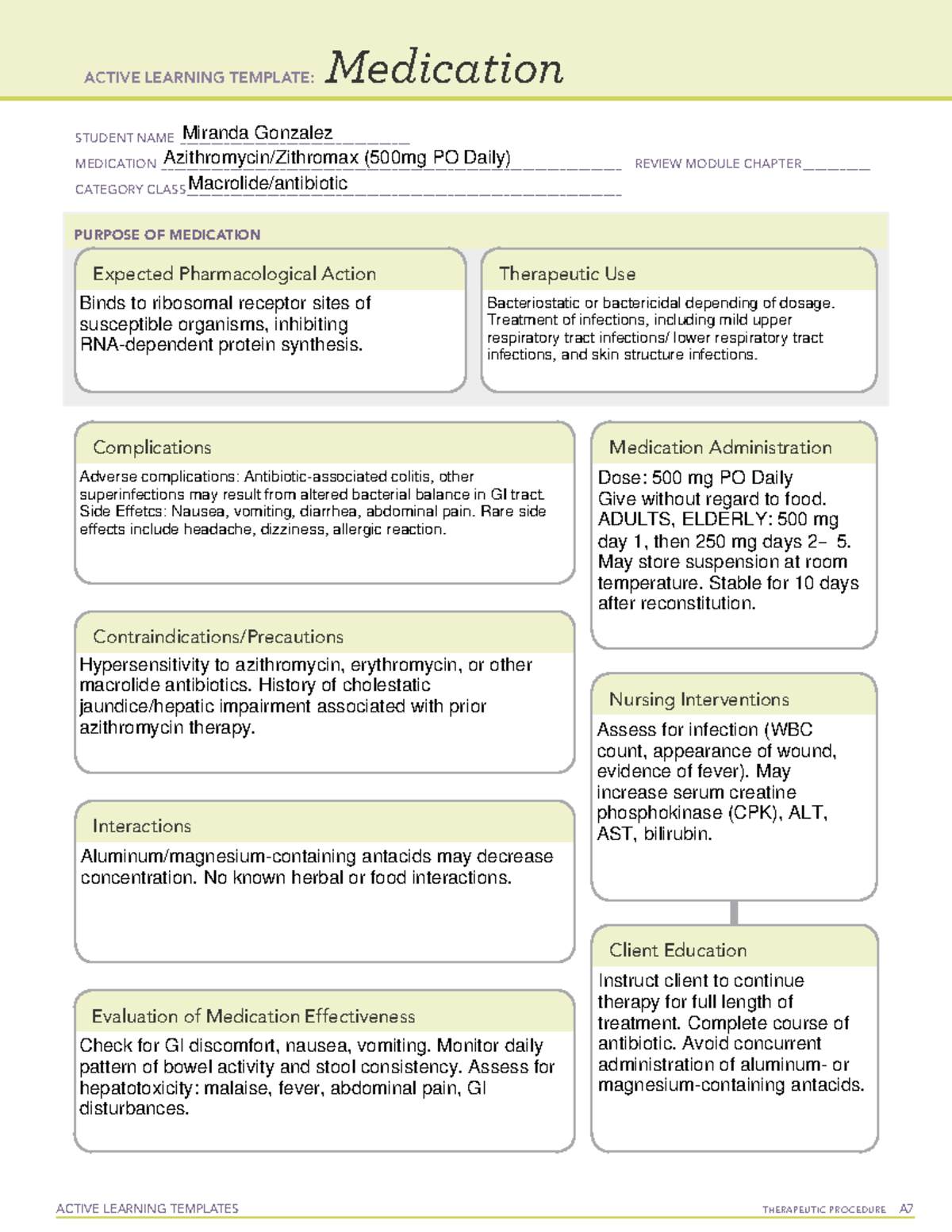
Ati Medication Template Heparin
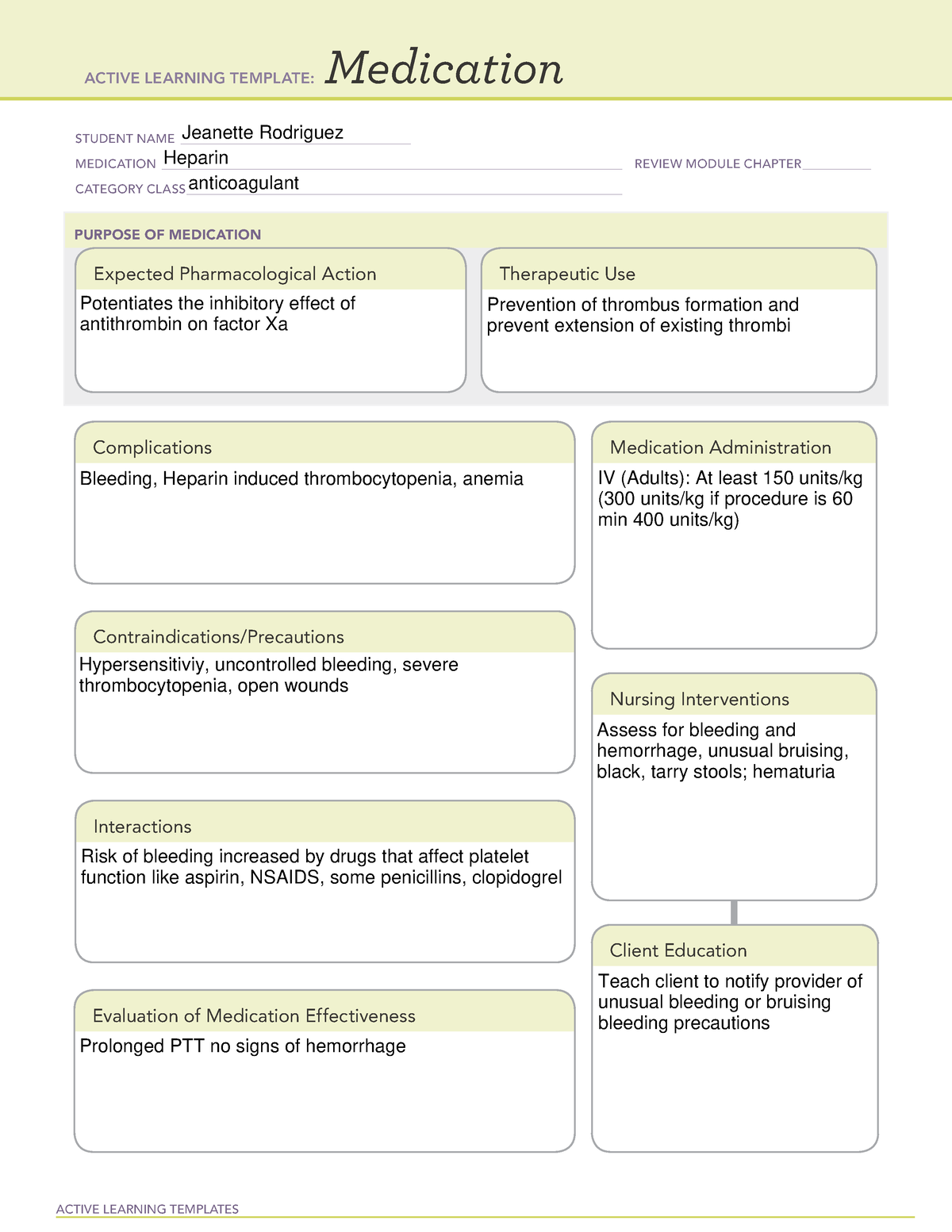
Ati Medication Template Heparin
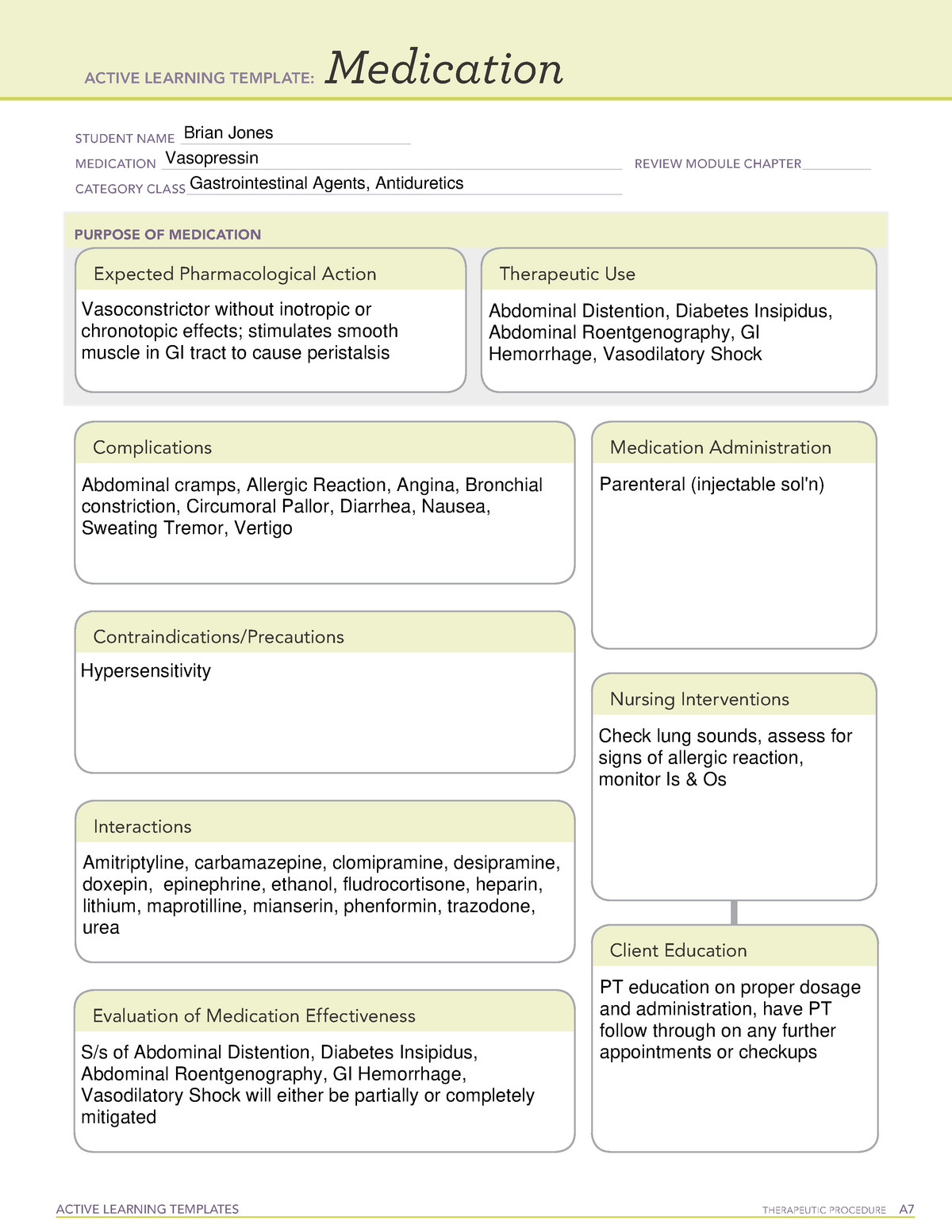
Med-Heparin – ATI Medication Template_Heparin – ACTIVE LEARNING
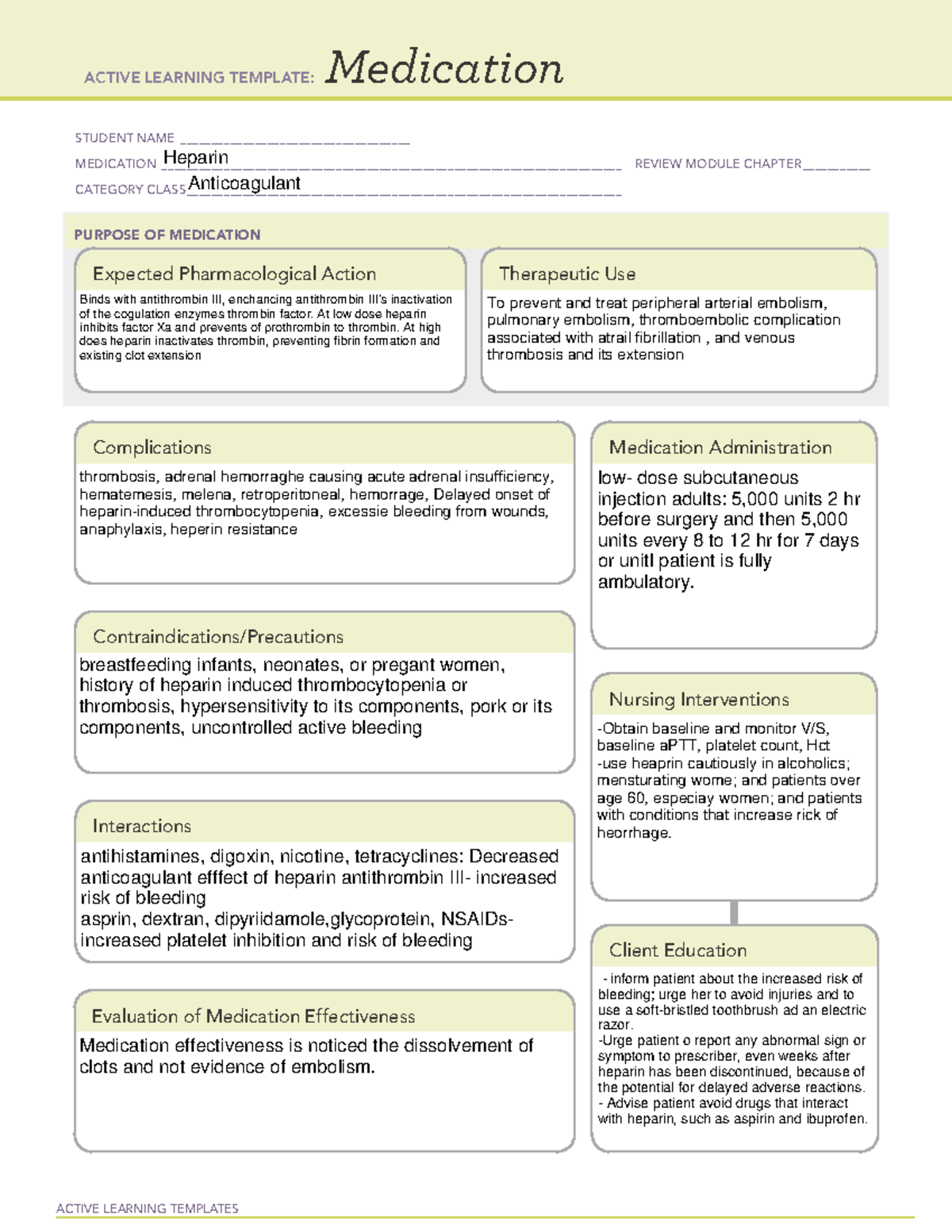
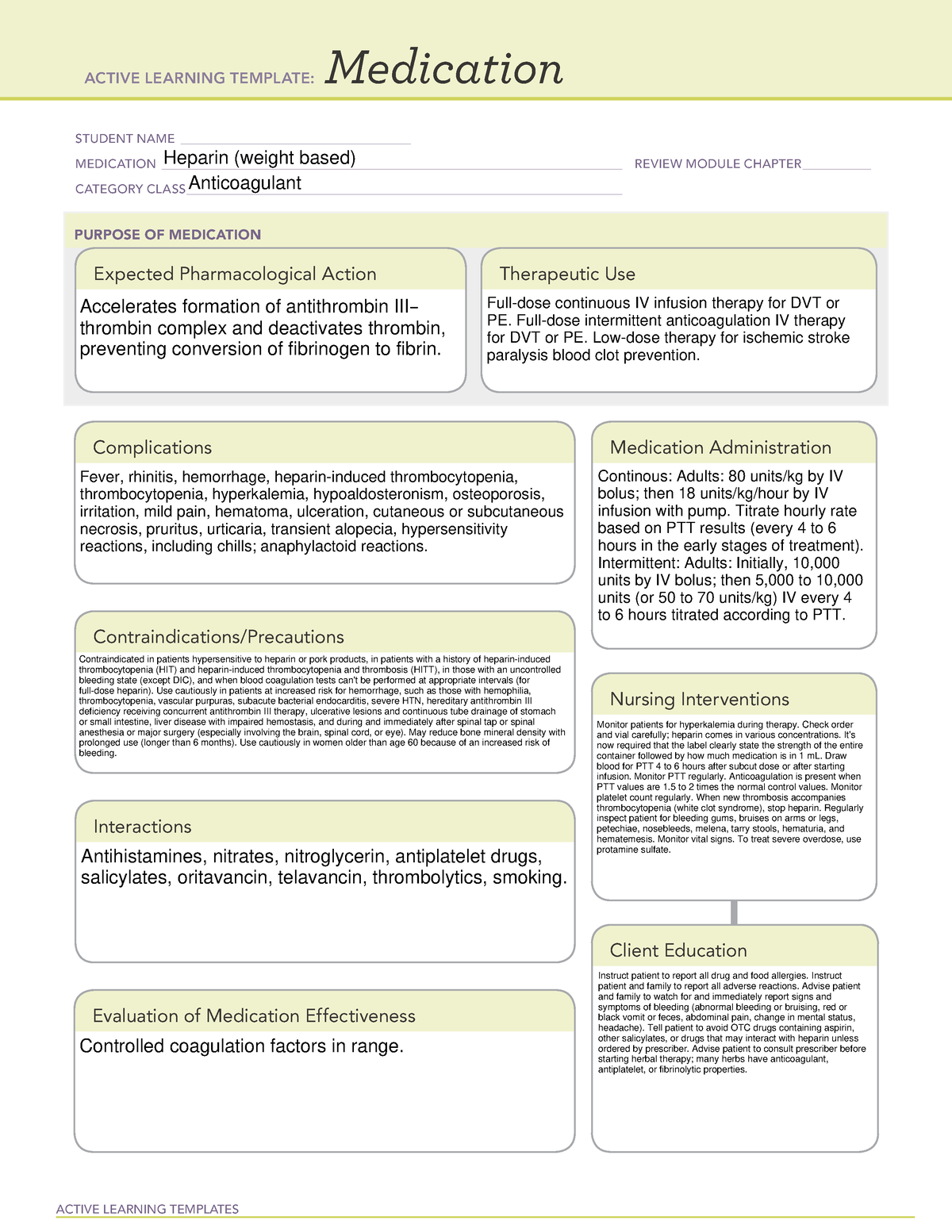
ATI – Medication Template Heparin Weight Based Filled In – ACTIVE
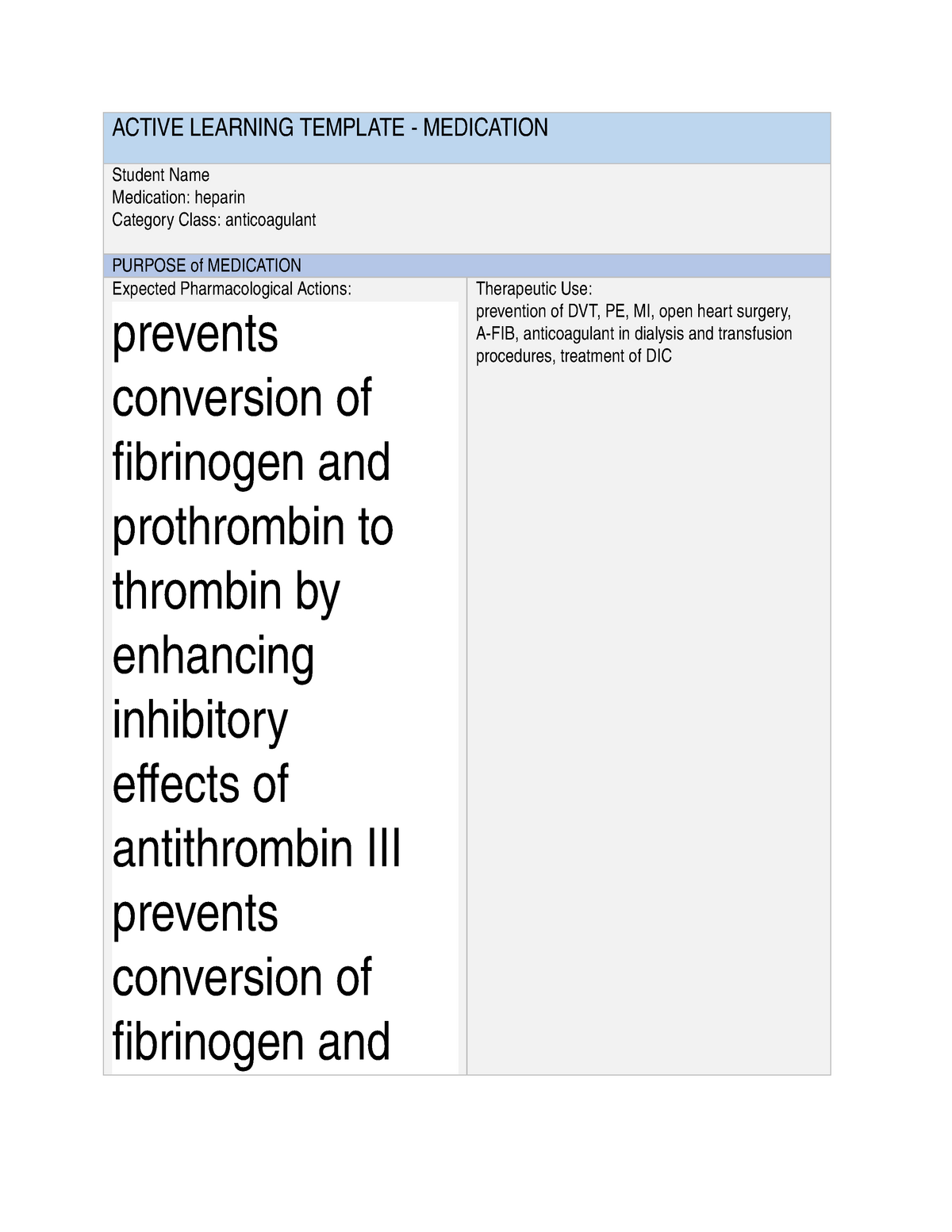
Heparin ATI – Nursing Pharm – ACTIVE LEARNING TEMPLATE – MEDICATION
Ati Medication Template Heparin
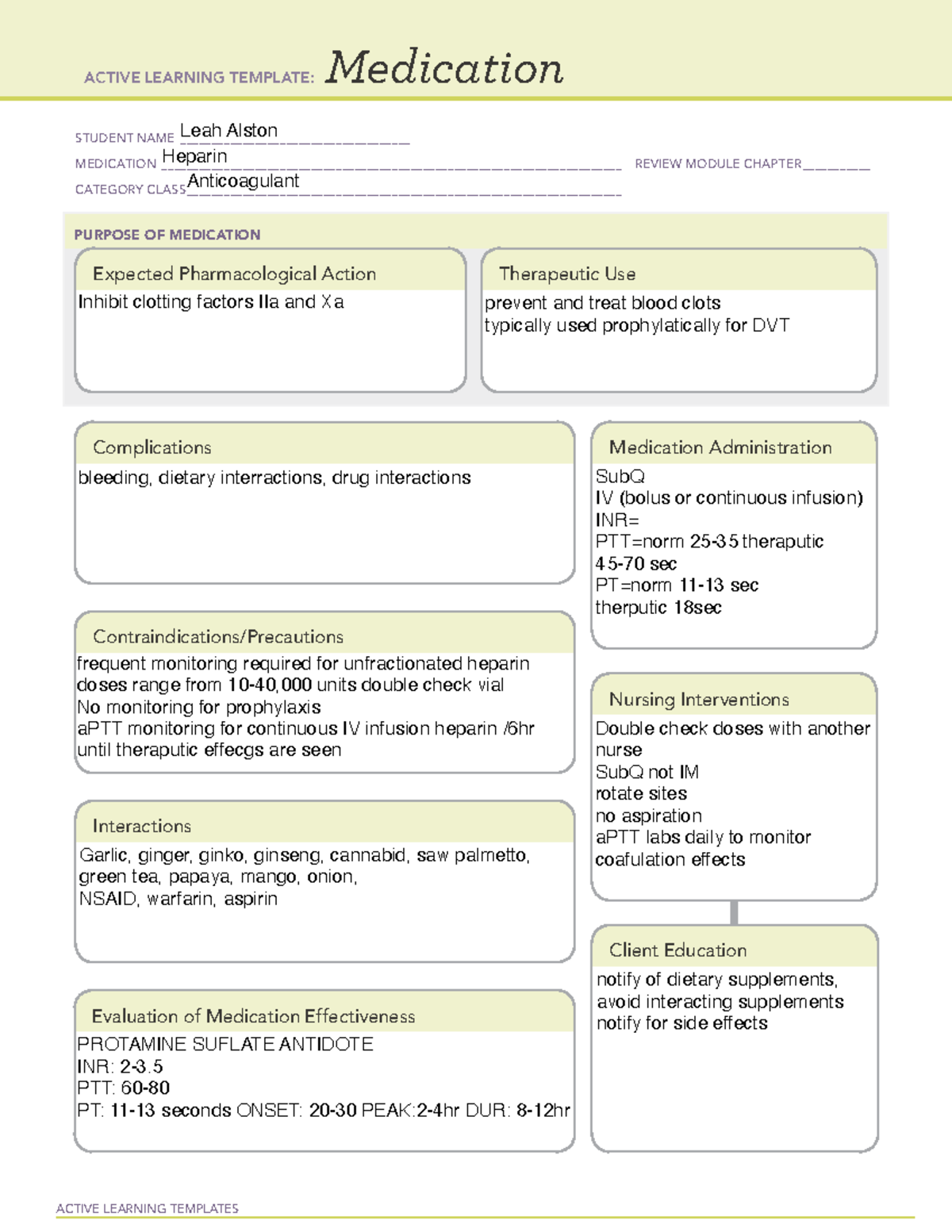
Heparin ATI Medication Template – ACTIVE LEARNING TEMPLATES Medication
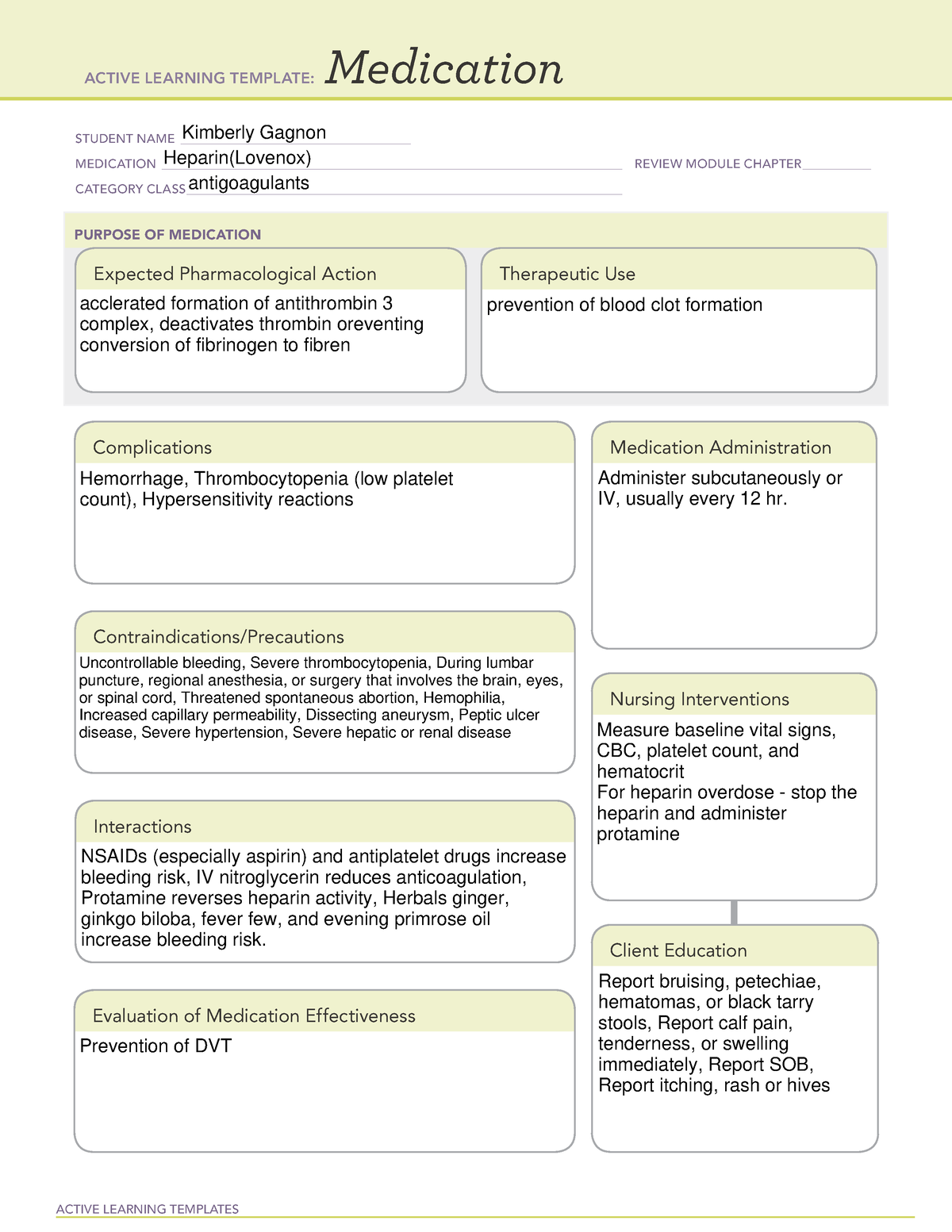
Ati Medication Template Heparin
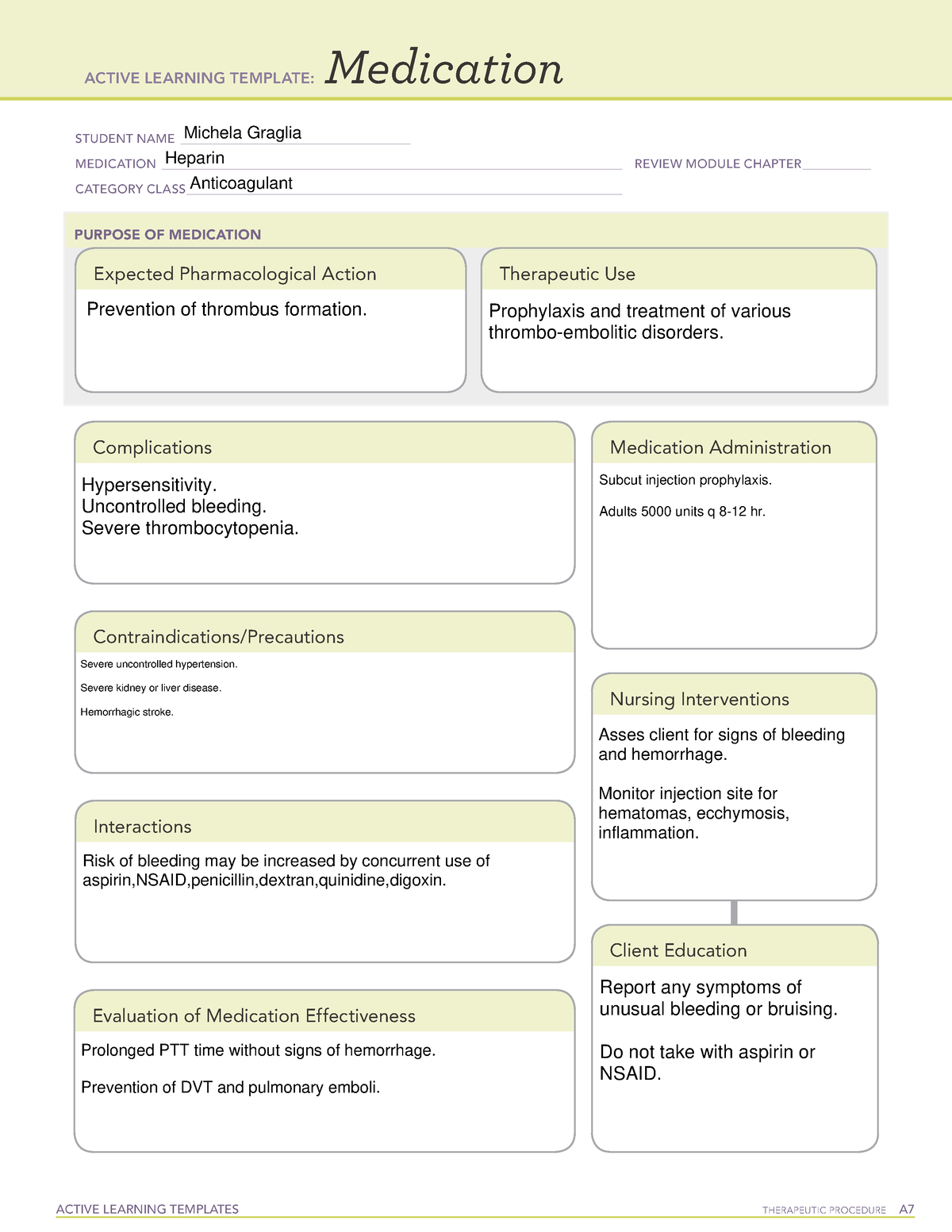
Ati Medication Template Heparin
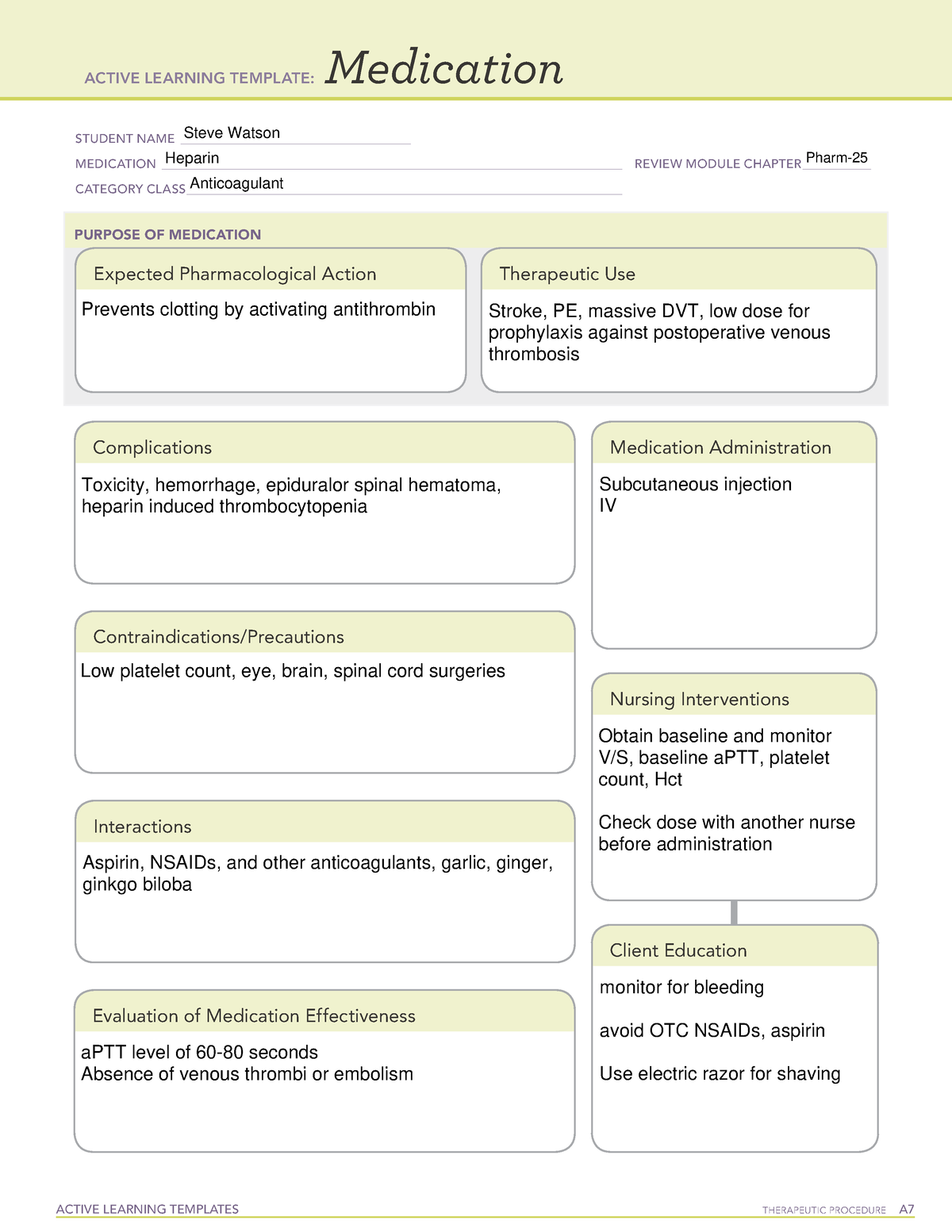
Heparin-MED – ATI Medication Card Template – ACTIVE LEARNING TEMPLATES

Medication – Heparin – ATI Template – ACTIVE LEARNING TEMPLATES
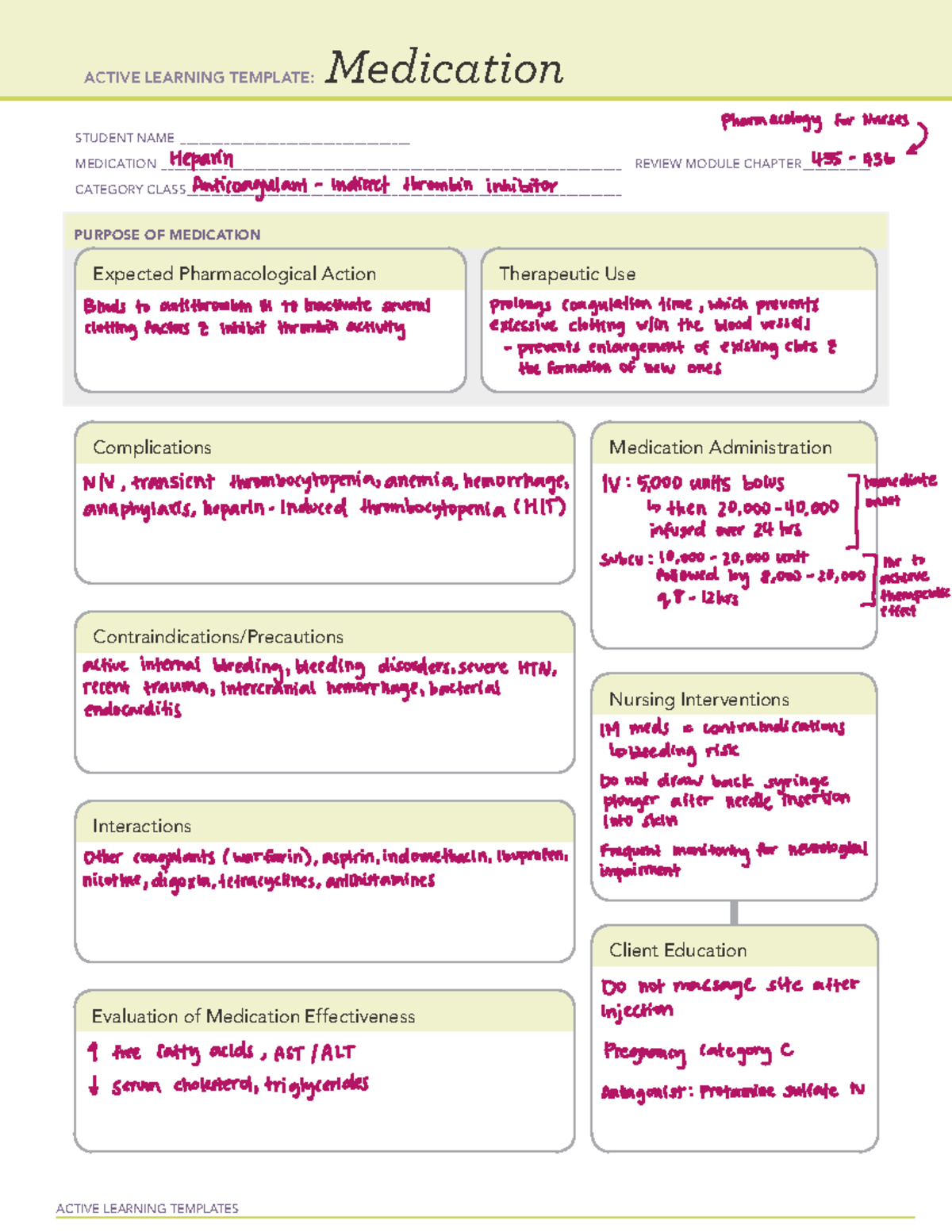
Heparin Medication Template
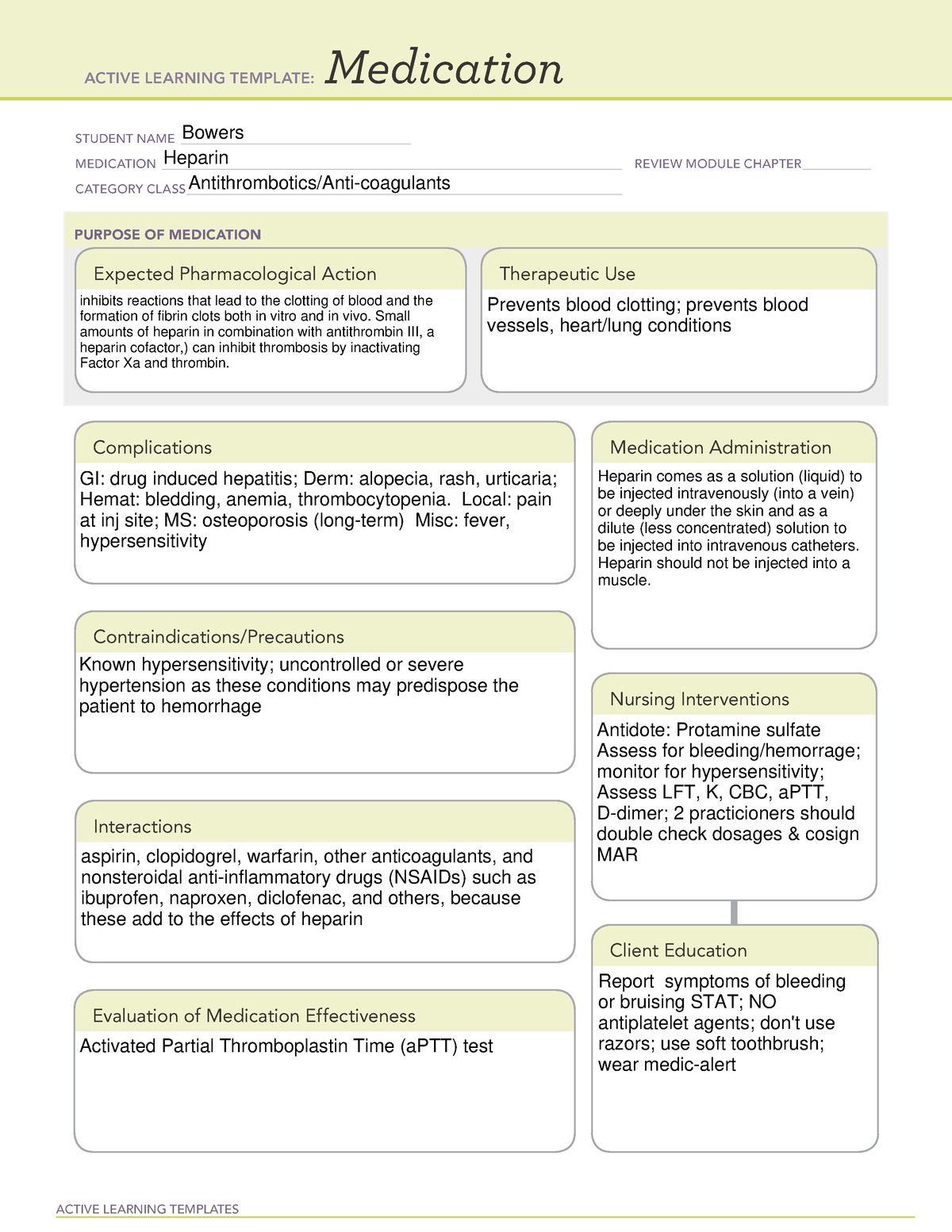
Ati Medication Template Heparin
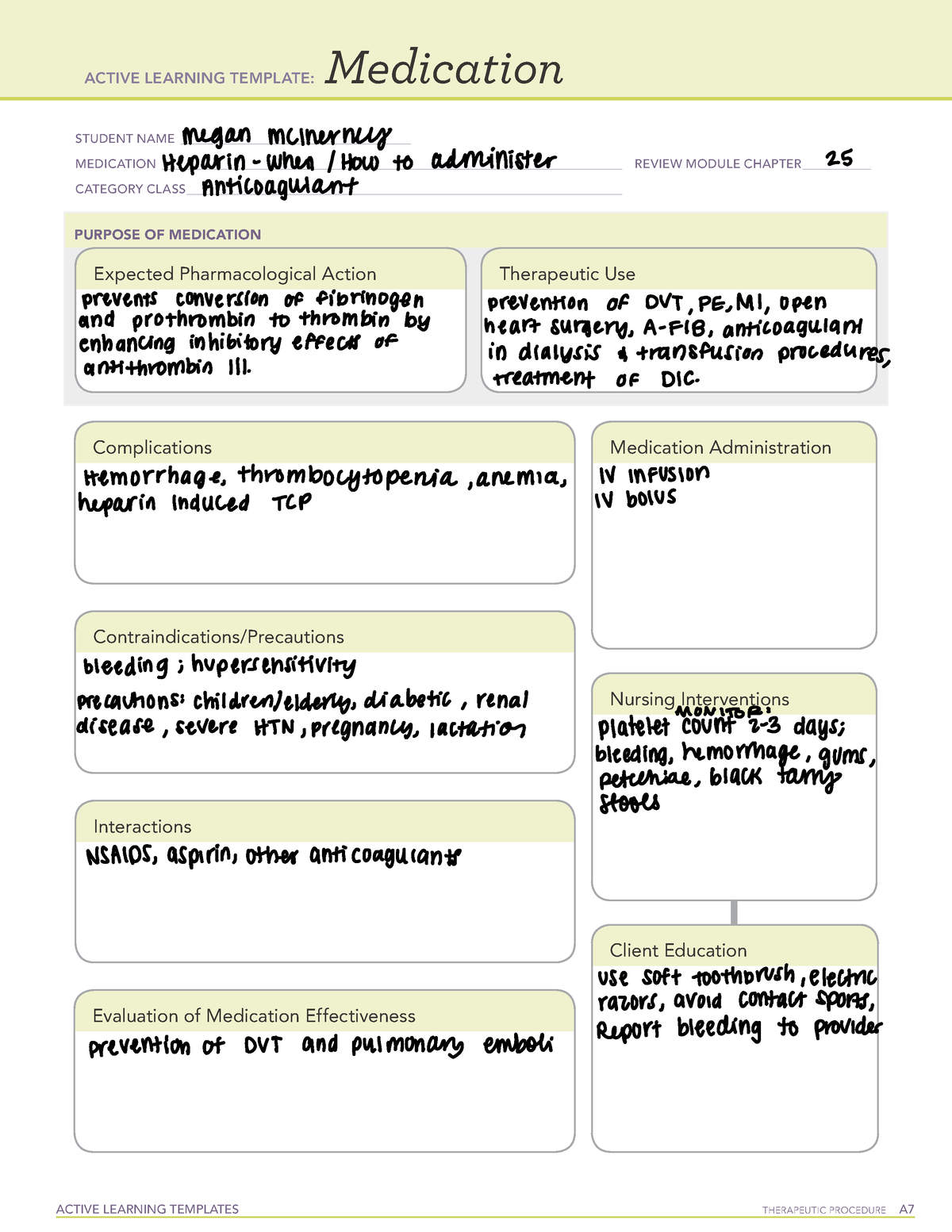
Heparin Ati Templet – ACTIVE LEARNING TEMPLATES Medication STUDENT NAME
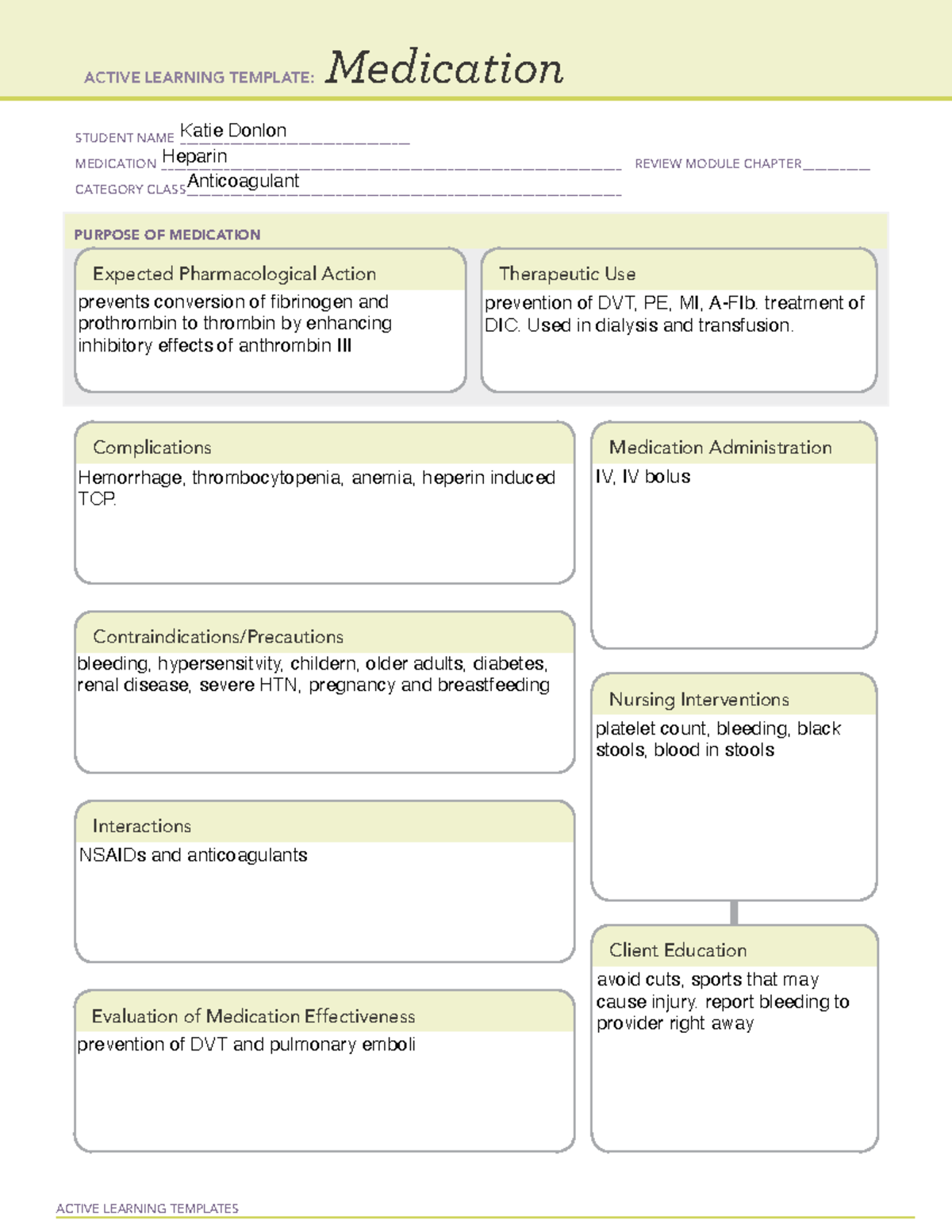
Heparin ATI Med Sheet: Active Learning Template For Anticoagulants
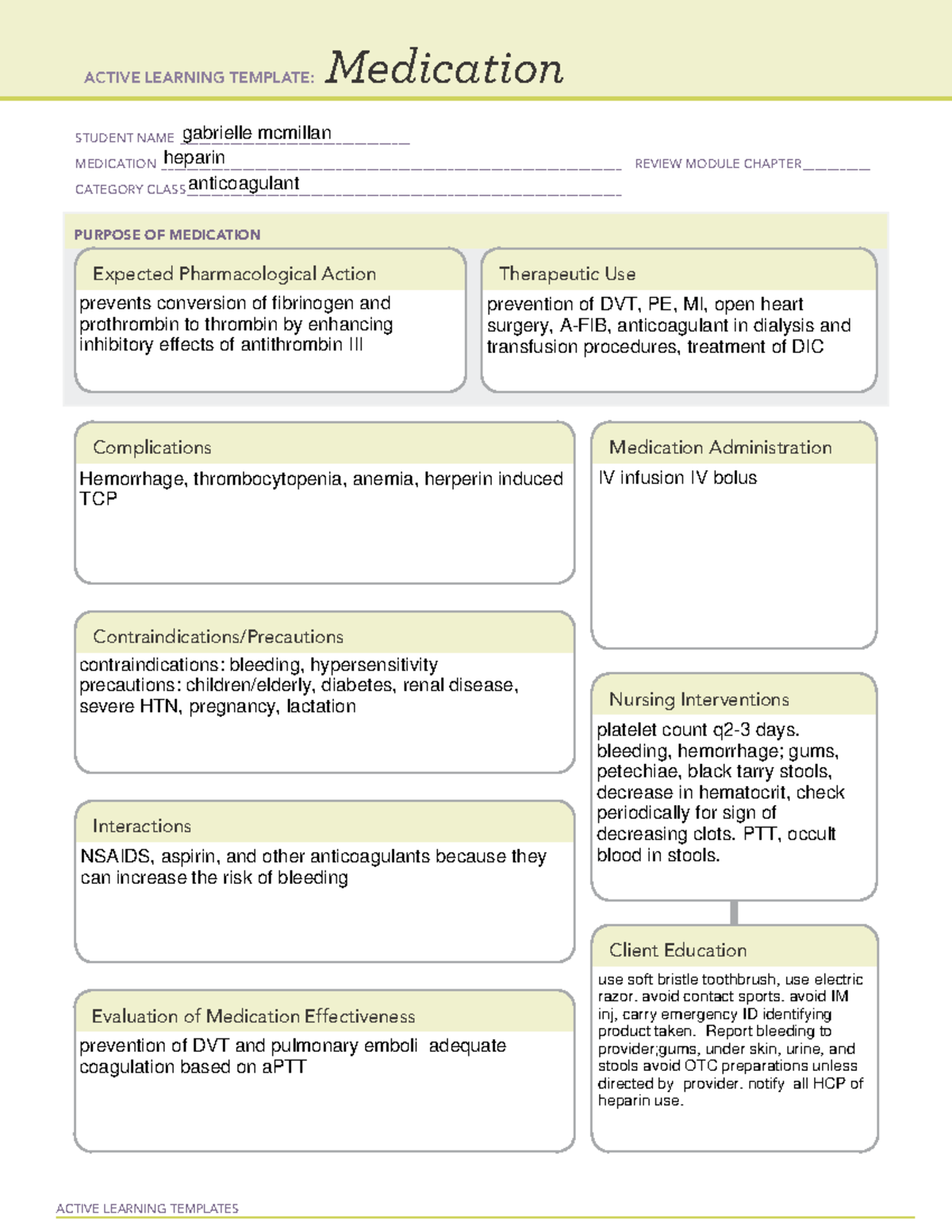
Ati Medication Template Heparin
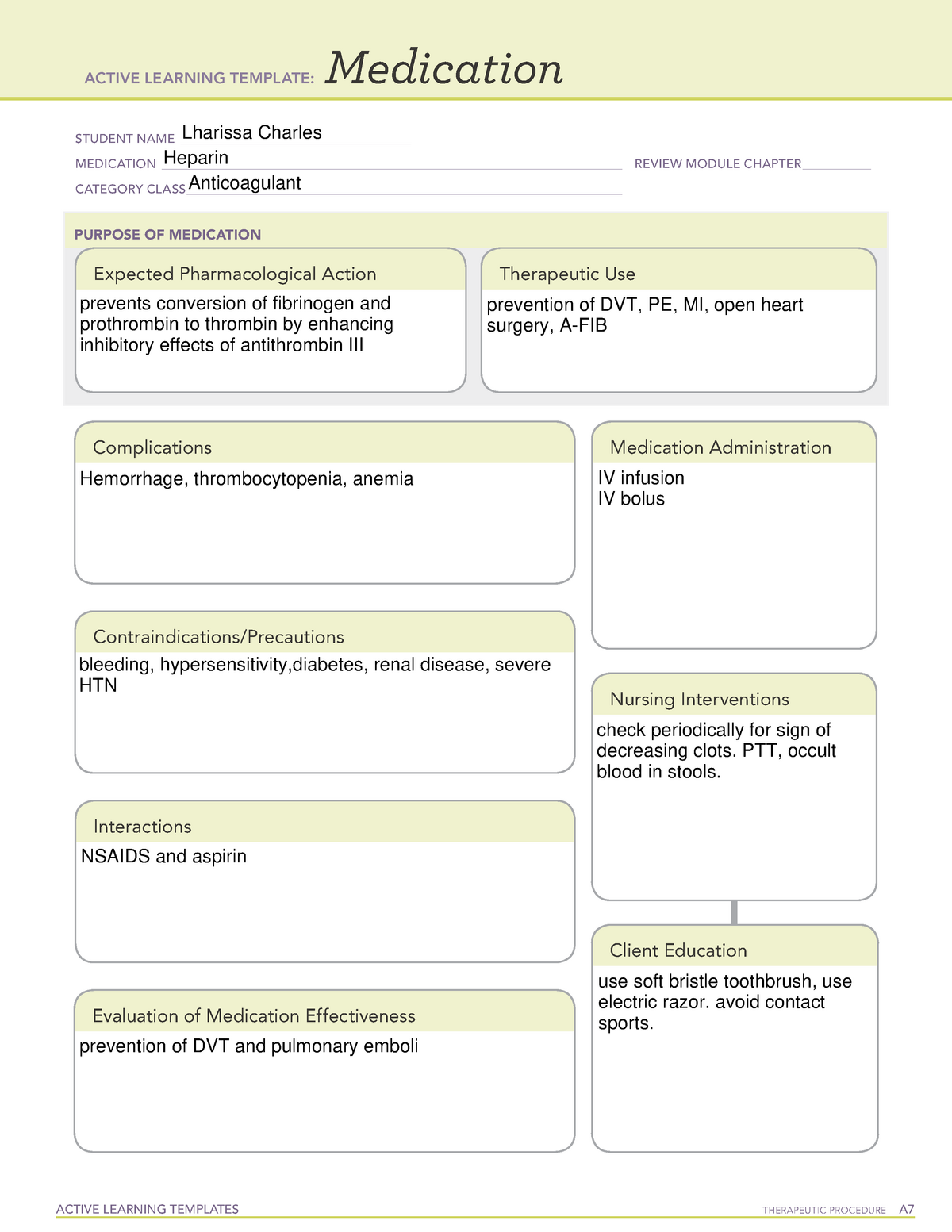
Heparin – Pharmacology Template – ACTIVE LEARNING TEMPLATES THERAPEUTIC
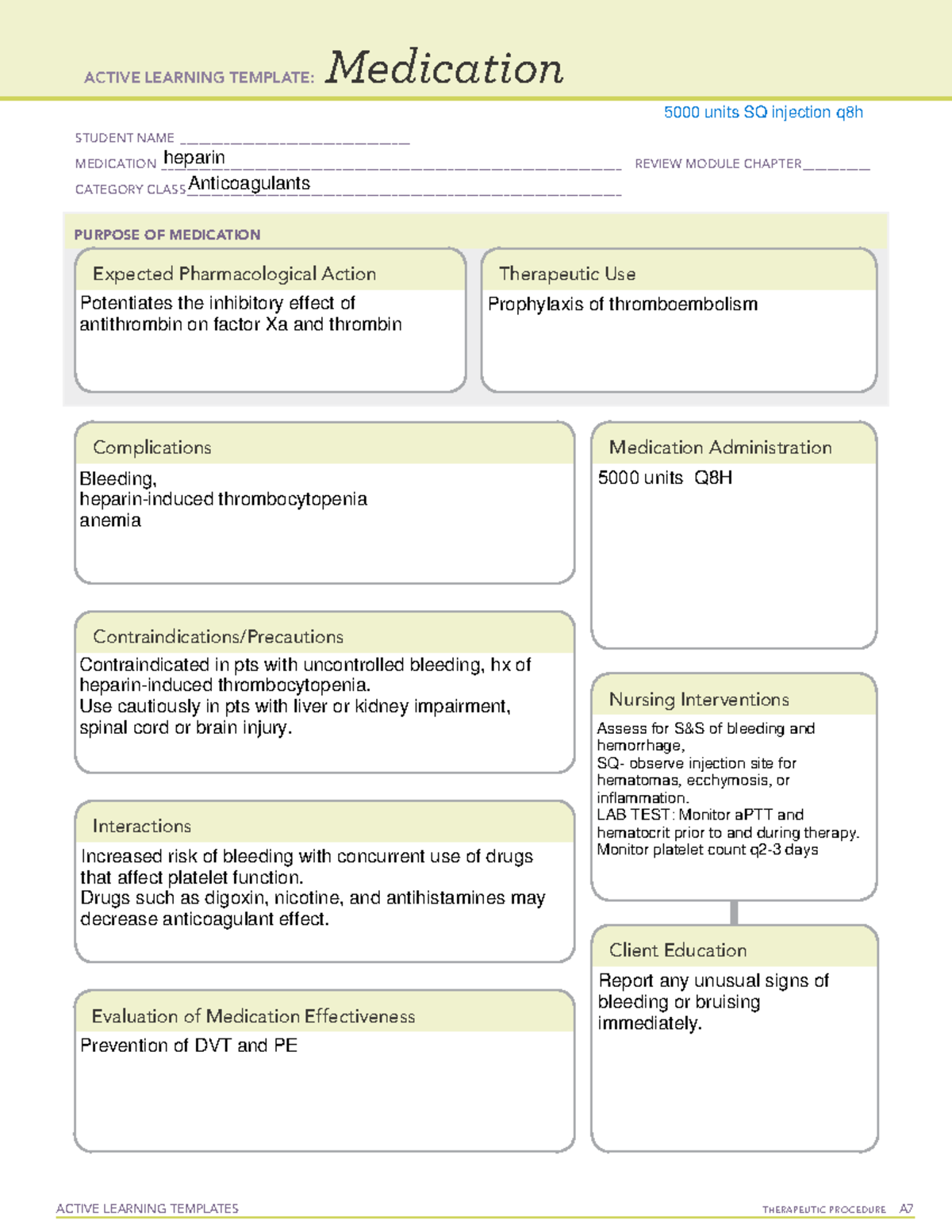
Ati Medication Template Heparin
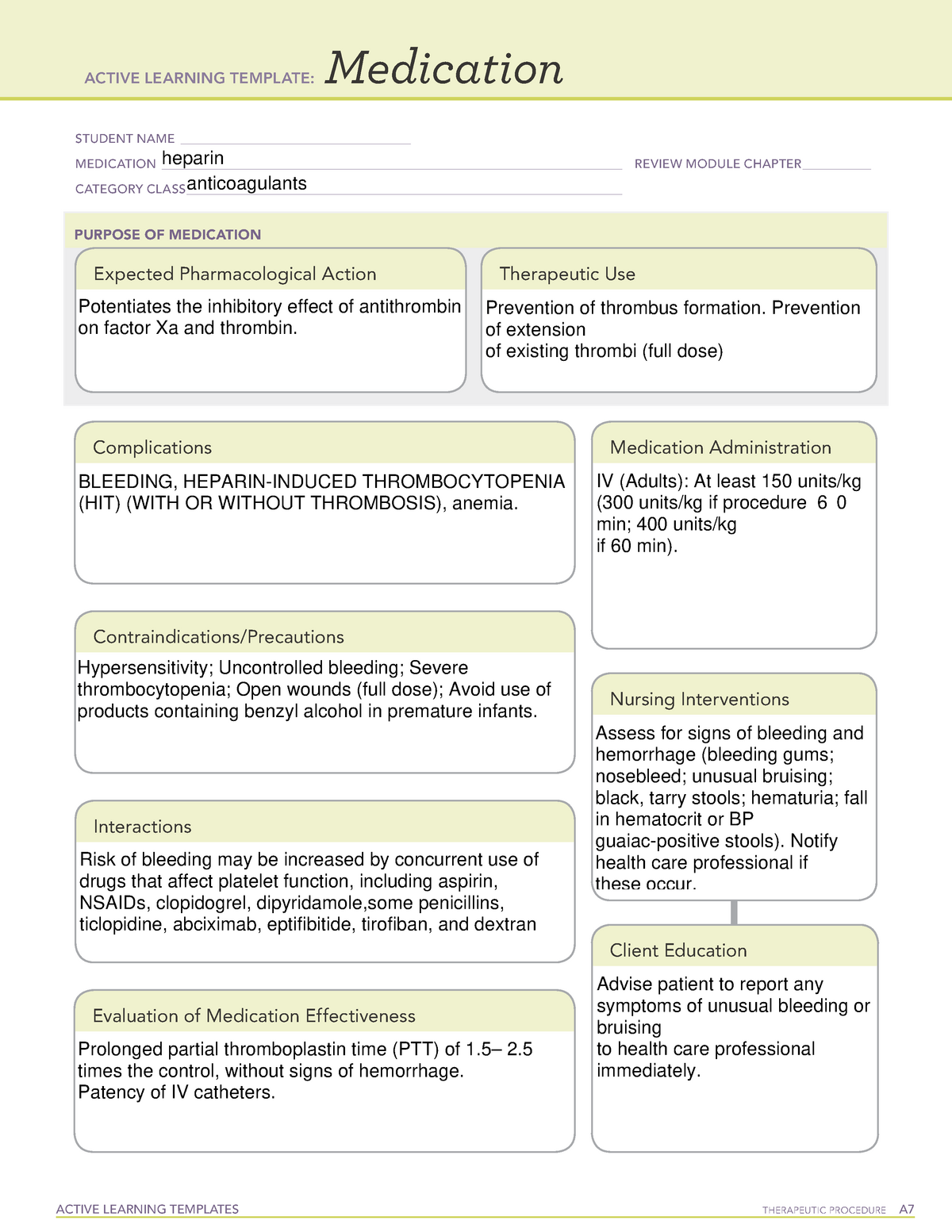
ATI Medication Heparin – ACTIVE LEARNING TEMPLATES Medication STUDENT