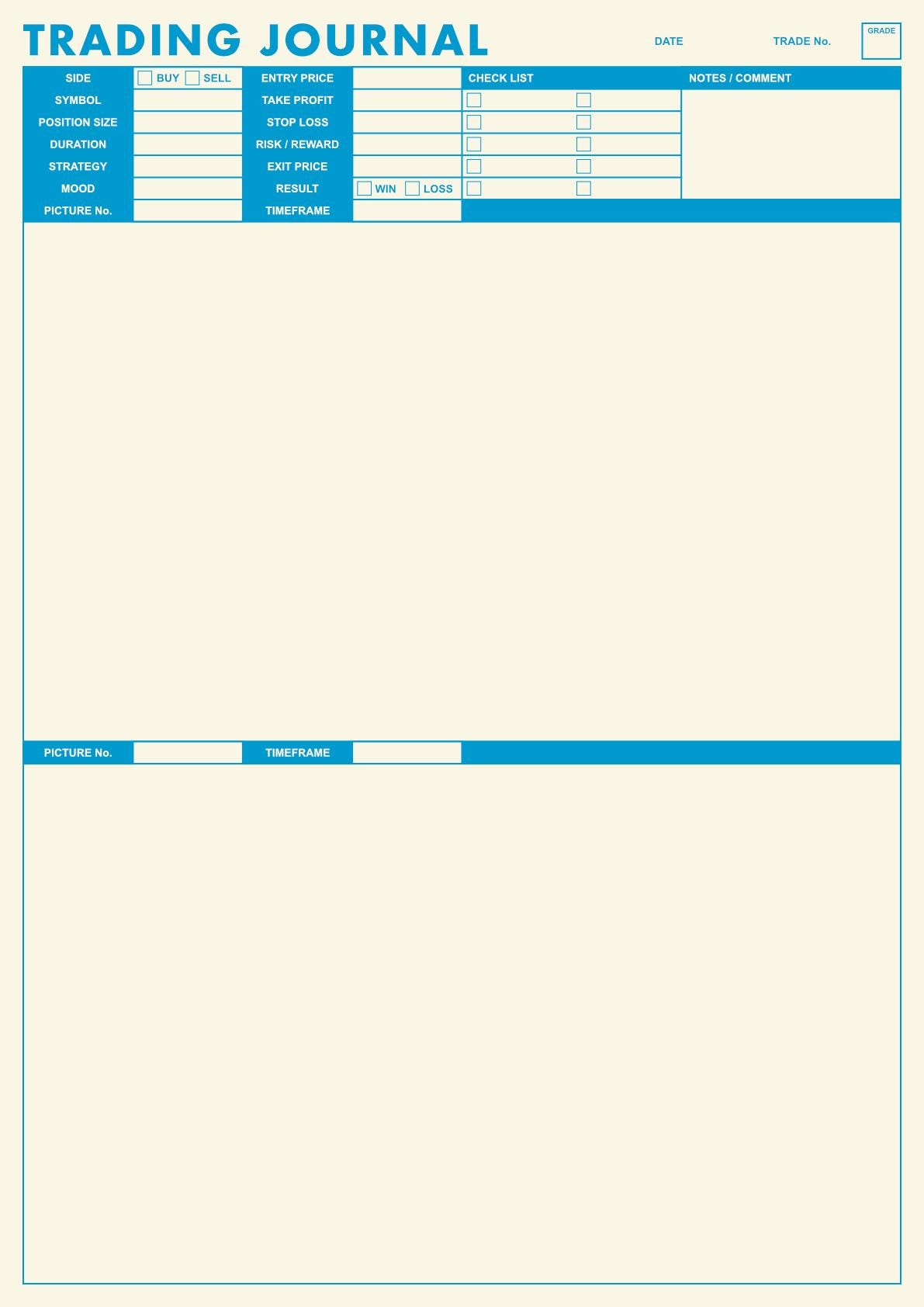
Day trading can be a high-stakes, high-reward investment strategy, but it also comes with a unique set of challenges. With the constant pressure to perform and adapt to market fluctuations, it’s easy to get caught up in the moment and lose sight of your long-term goals. That’s where a day trading journal template comes in – a tool to help you stay on track, analyze your performance, and refine your strategies. But what are the essential elements of a day trading journal template, and how can you use one to take your trading to the next level?
1. Tracking Your Performance
Your day trading journal should begin by tracking your key performance indicators (KPIs). This might include metrics like winning percentage, average gain, average loss, and profit/loss ratio. By monitoring these KPIs over time, you can identify areas where you’re excelling and areas where you need to improve. Consider breaking down your KPIs into separate sections or tabs in your journal, such as ‘winning trades’ and ‘losing trades’, to enable easier analysis.
2. Documenting Your Trades
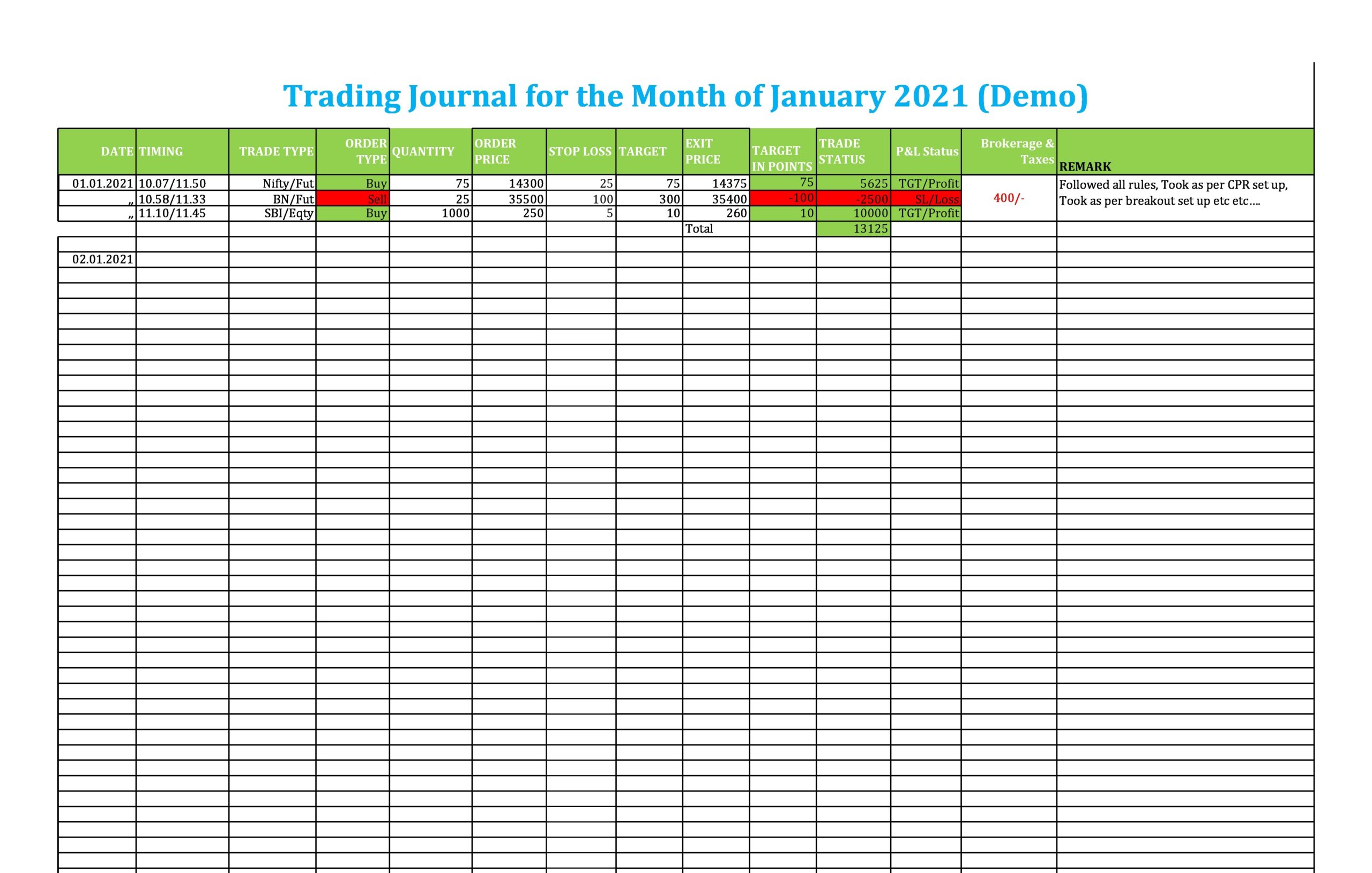
Every trade you make should be meticulously documented, with details including trade date and time, entry and exit points, risk percentage, and outcome. By recording every trade, you’ll be able to reflect on past decisions and identify patterns or mistakes that may be holding you back from achieving your goals. A ‘trade analysis’ section in your journal can be useful here, allowing you to write down your reasoning behind each trade and what you learned from it.
3. Market Analysis
Your day trading journal should also include space for market analysis. This might involve tracking charts and graphs of your chosen assets, noting changes in market sentiment, and keeping up to date with relevant news and events. Consider including a section for ‘market insights’ to jot down key observations and takeaways.
4. Risk Management
Day trading is inherently risky, but by regularly reviewing your risk exposure and strategy, you can minimize potential losses. Consider creating a risk management matrix in your journal to rate each trade based on risk factors like trading volume and leverage. This will help you stay focused on minimizing losses and maximizing gains.
5. Setting Goals and Objectives
Vision and planning are crucial to successful day trading. Set specific, measurable goals for each trading session and review your progress towards these objectives at the end of the day. Consider breaking down larger goals into smaller, manageable targets to help stay on track. A ‘goals’ section in your journal can be useful here.
6. Trading Log and Calendar
A trading log and calendar are essential tools for day traders, allowing you to keep track of scheduled trades, deadlines, and important events. Consider formatting your calendar to include space for ‘trade ideas’ and ‘analysis’ sections, where you can explore new strategies and refine past performance.
7. Performance Analytics
Your day trading journal should also include space for performance analytics, which can help you identify key trends and patterns in your trading behavior. Consider using metrics like Sharpe ratio, Sortino ratio, and expected yield to gauge the effectiveness of your strategy. A ‘performance analysis’ section can be useful here, allowing you to apply statistical methods to your trading data.
8. Trading Plan Review
Regularly reviewing your trading plan is crucial to staying on track with your goals and maintaining discipline. Consider including a ‘trading plan review’ section in your journal where you can reflect on past decisions and discuss areas for improvement. Set reminders to review your plan regularly to ensure you stay aligned with your objectives.
9. Psychological Analysis
Day trading can be mentally taxing, and self-awareness of your emotions and biases is essential for success. Consider including a ‘psychological analysis’ section in your journal to track your state of mind, stress levels, and emotional responses to market fluctuations.
10. Continuous Improvement
Day trading is a continuous learning process, and your journal should reflect this. Set aside space for reflecting on past experiences, exploring new strategies, and developing fresh perspectives. By embracing the pursuit of knowledge and improvement, you can stay ahead of the game and refine your skills over time.
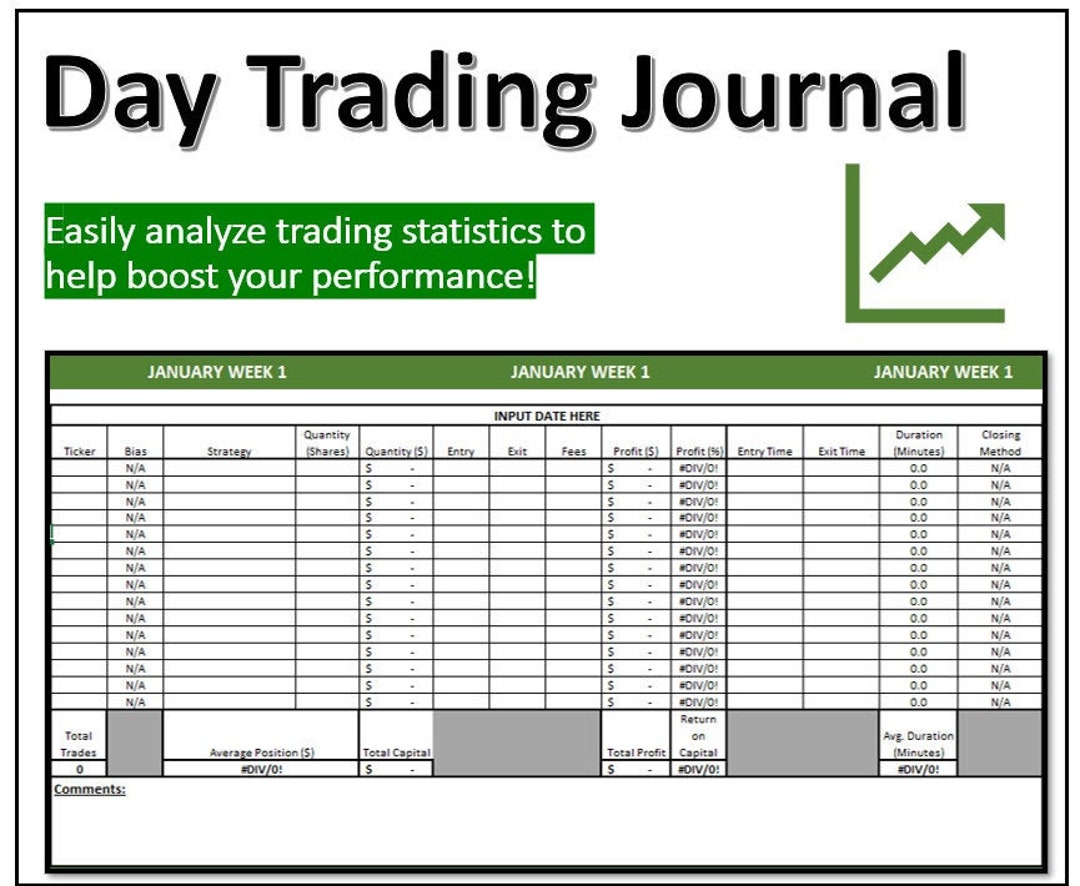
Stock Or Crypto Day Trading Journal, Log, Tracker Excel Spreadsheet – Etsy
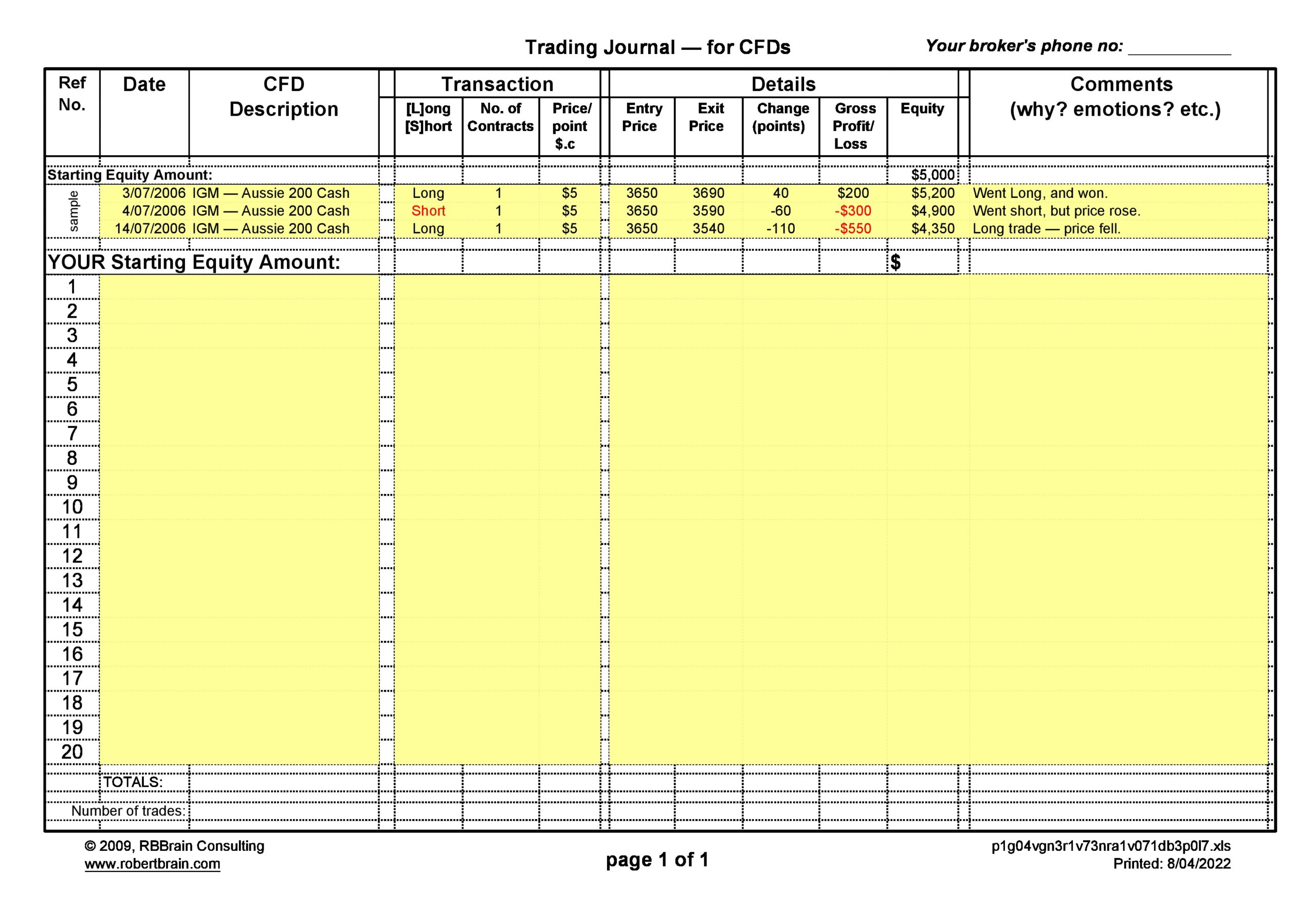
40 Free Trading Journal Templates (Excel / PDF) – TemplateArchive
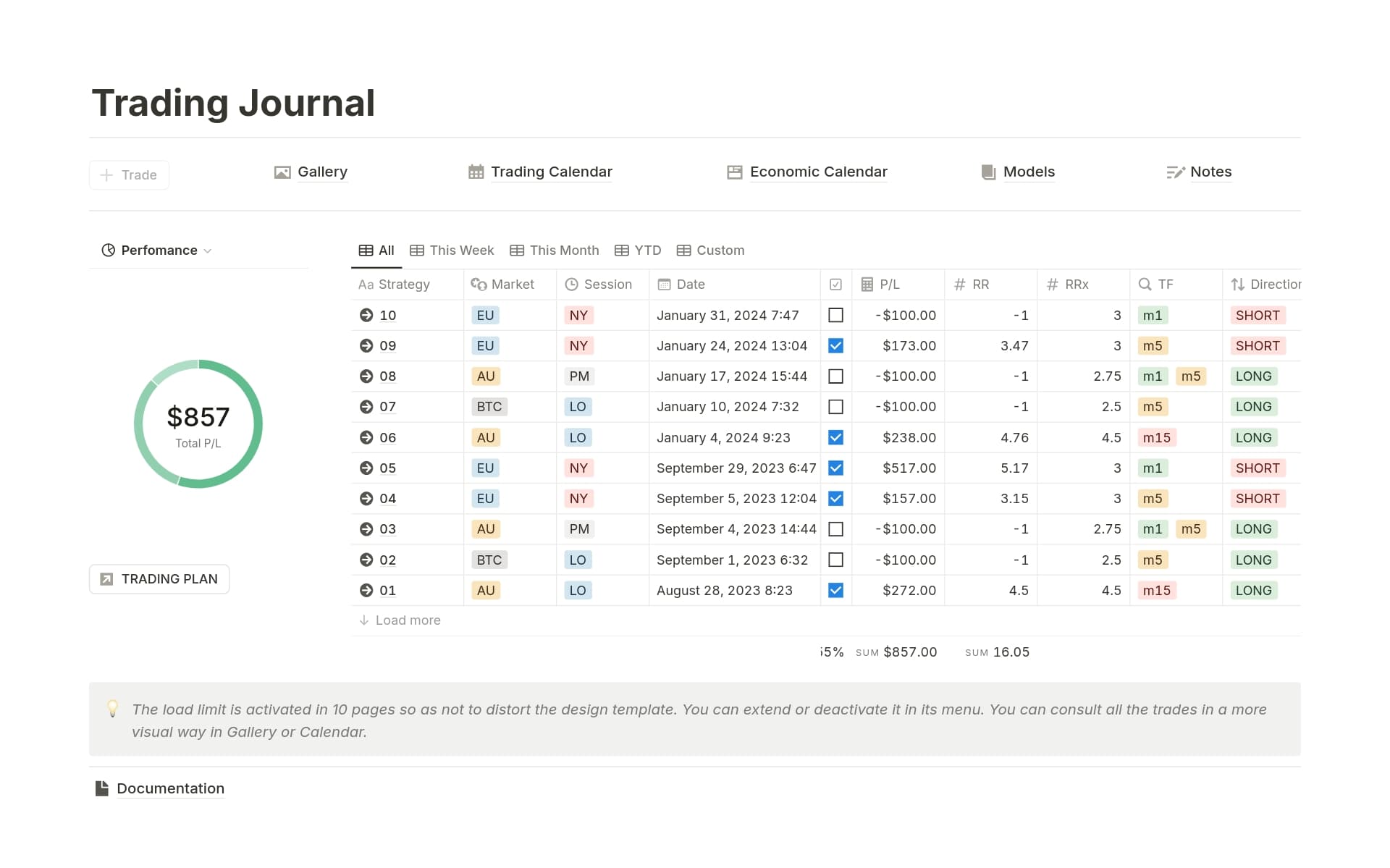
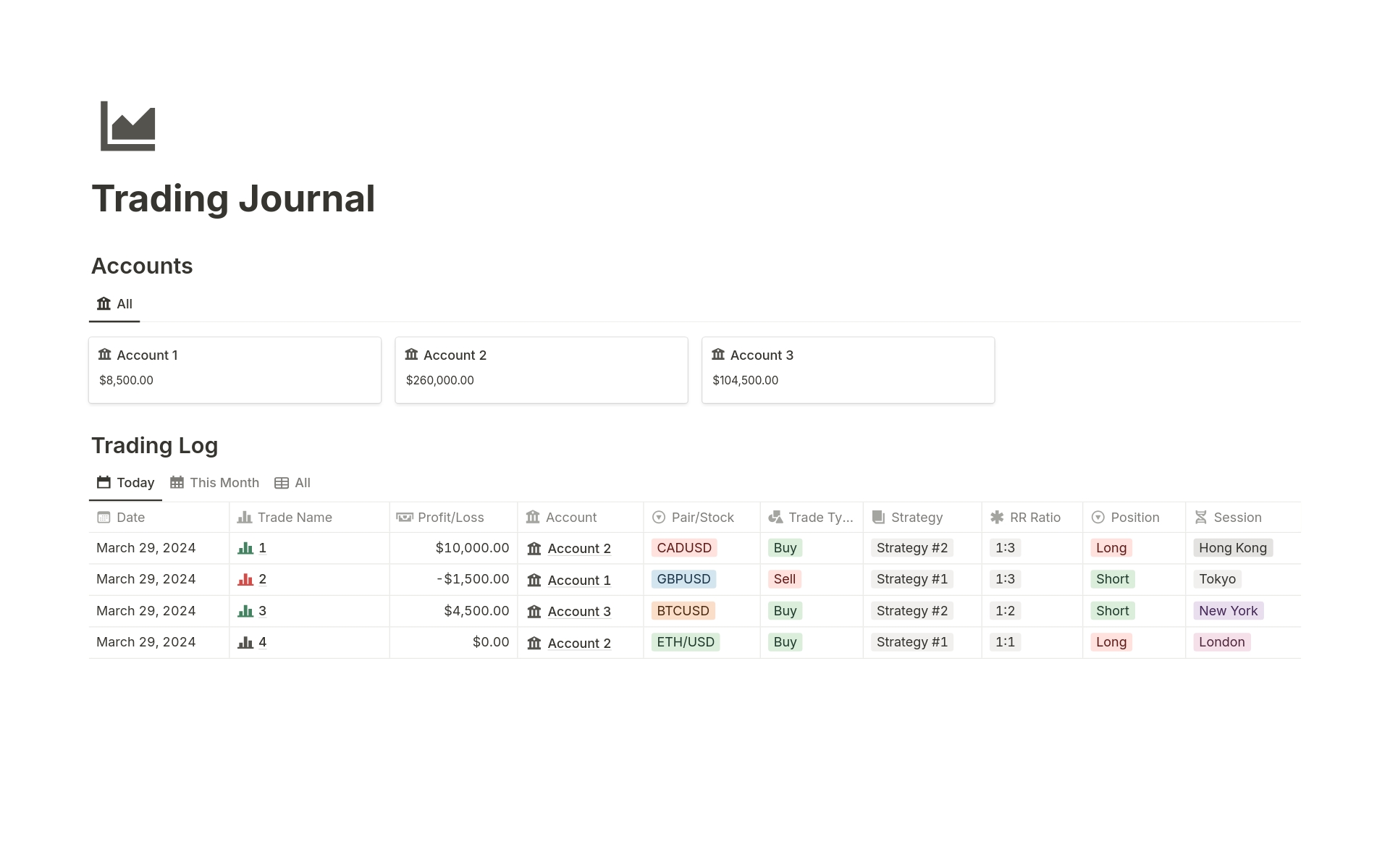
Trading Journal Template By Fxpabs | Trading Journals & Tools | Notion
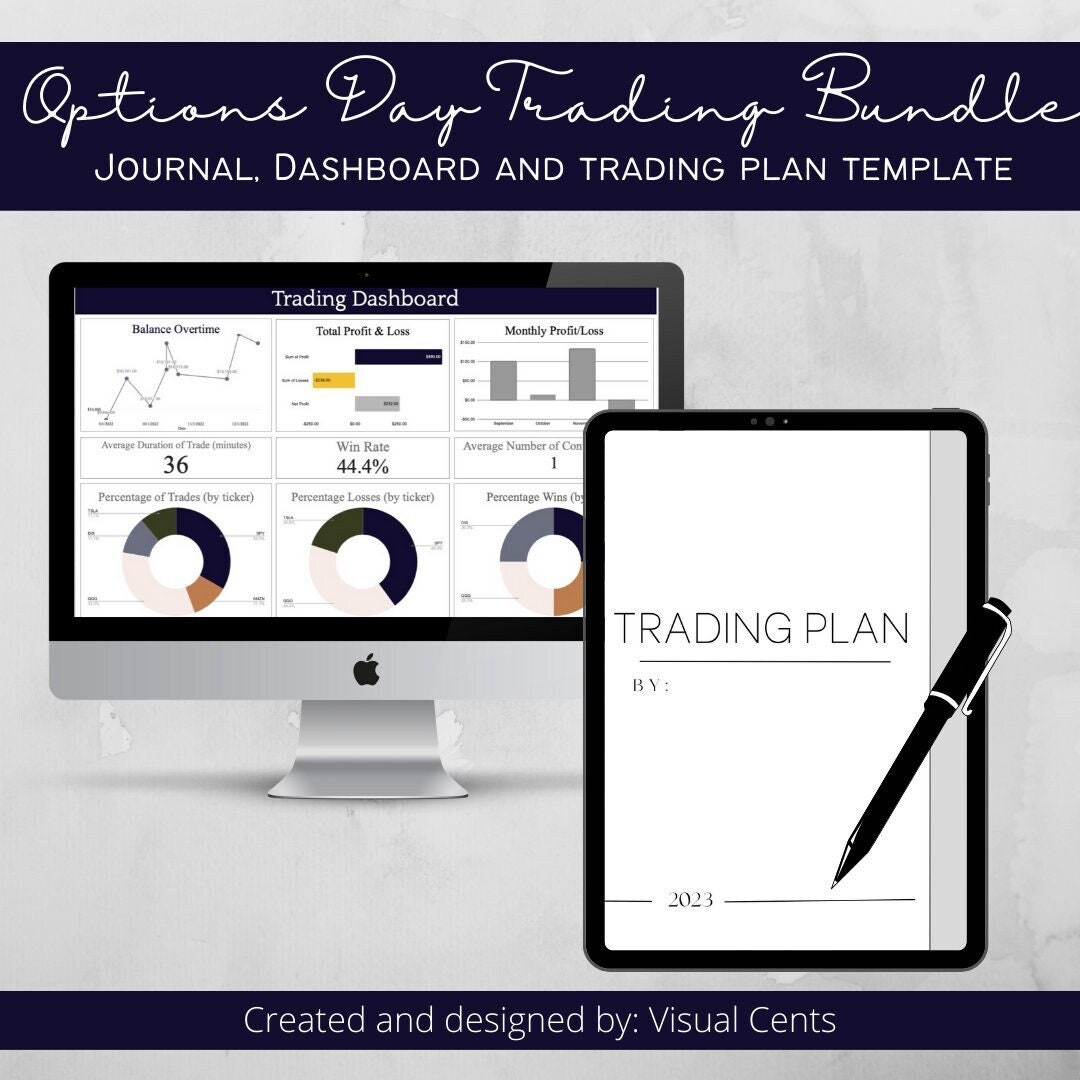
Simple Options Day Trading Journal, Dashboard And Trading Plan Template
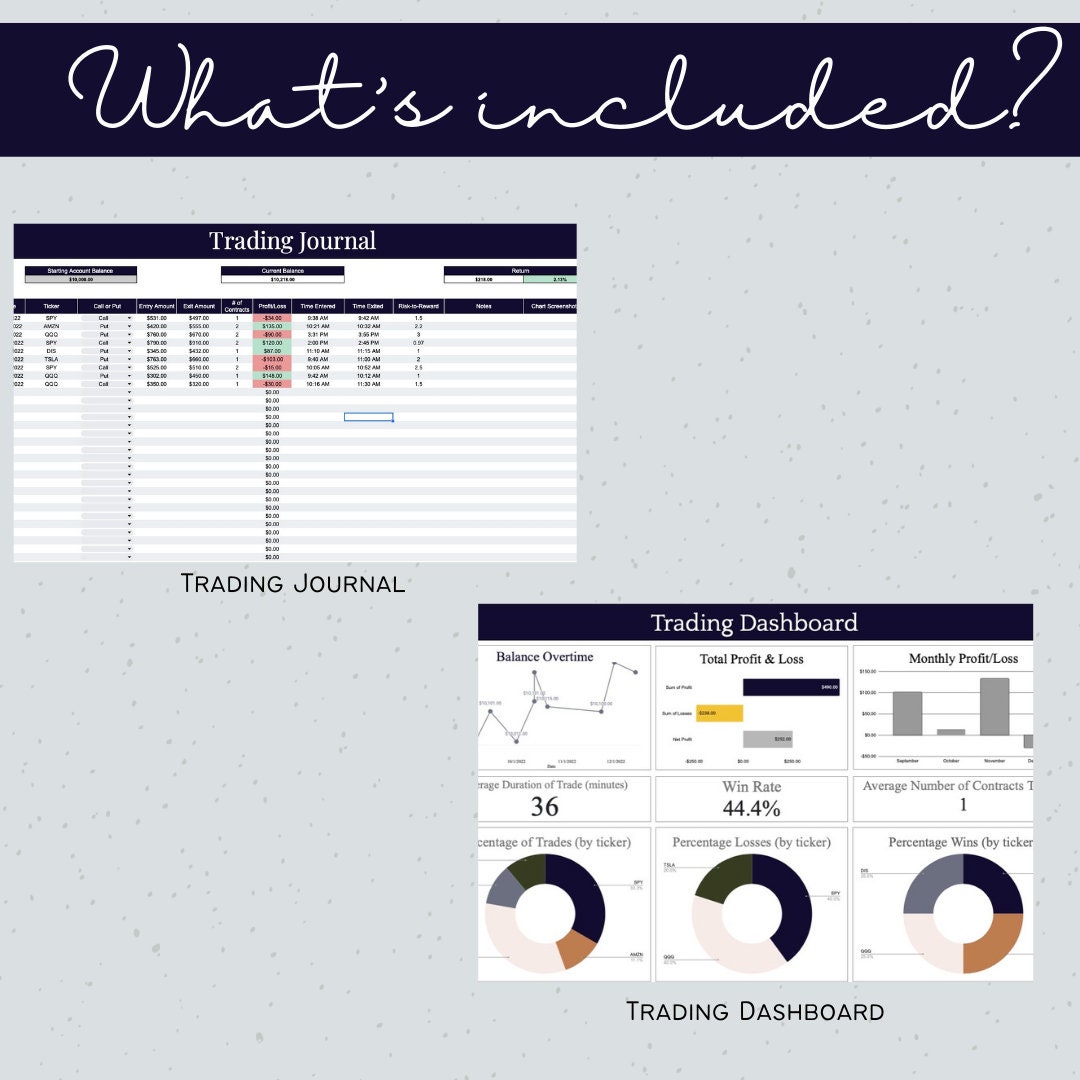
Trading Journal 8.5×11 And 6×9 Inches 100 Pages Ready To Upload PDF
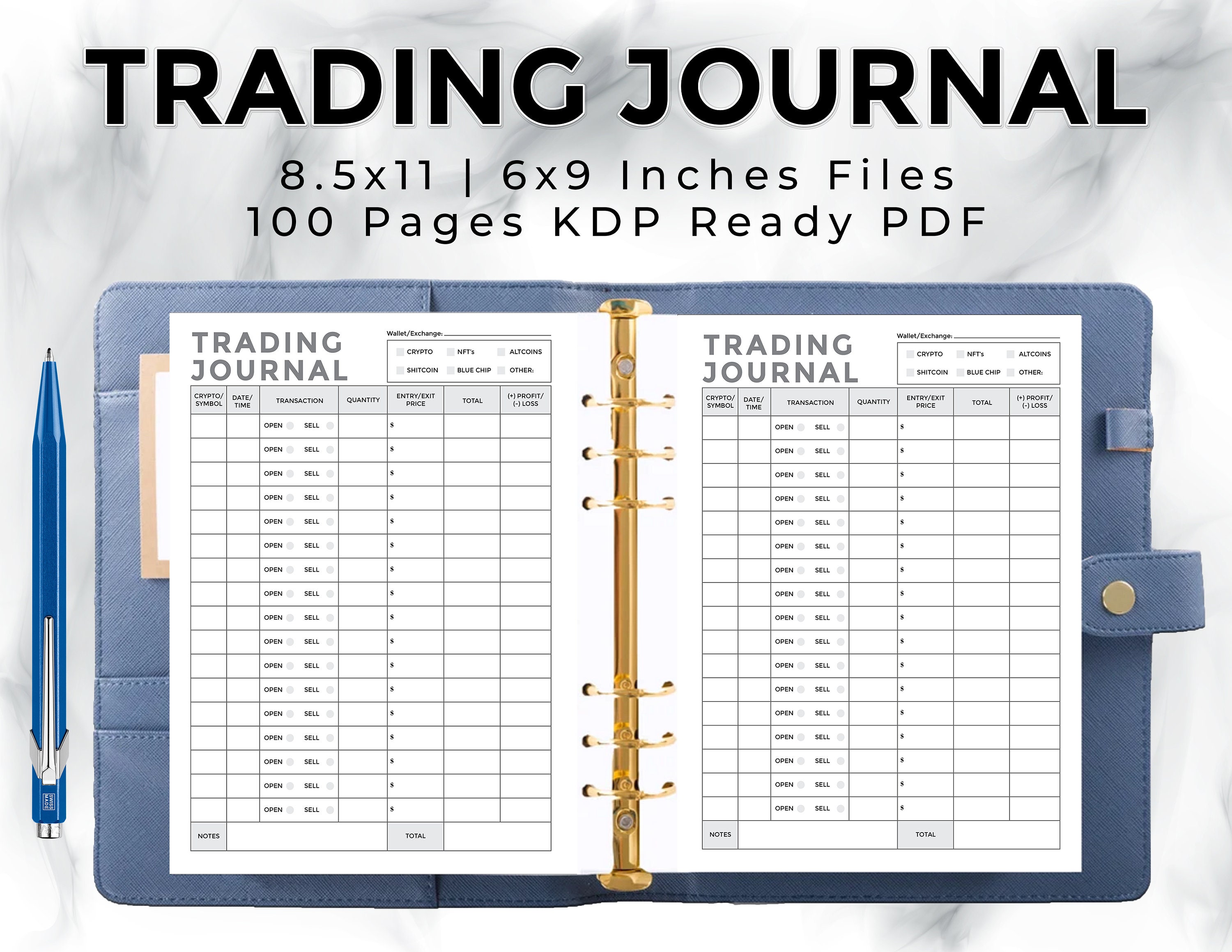
Stock Trading Journal Template
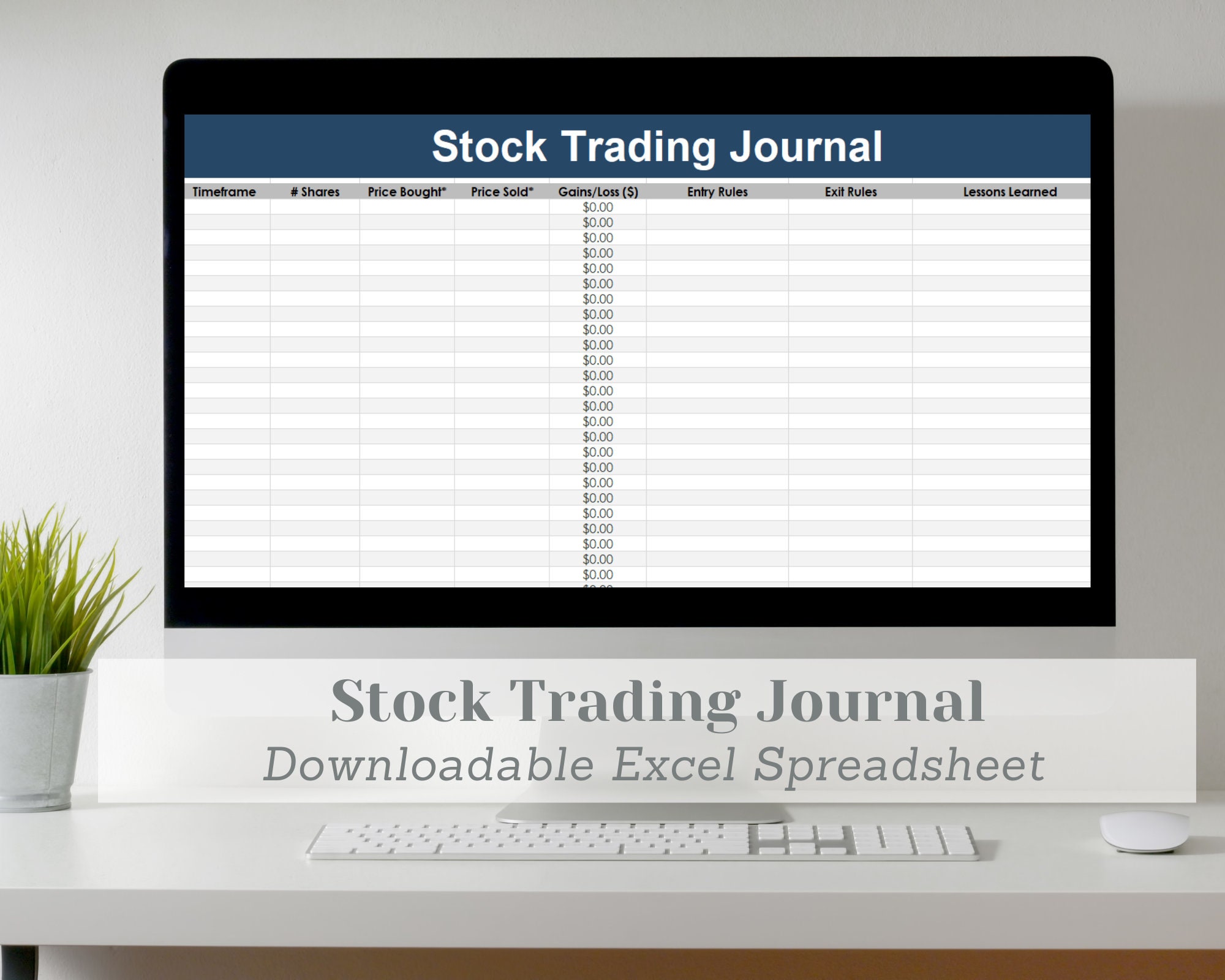
40 Free Trading Journal Templates (Excel / PDF) – TemplateArchive

Free Trading Journal Template To Edit Online
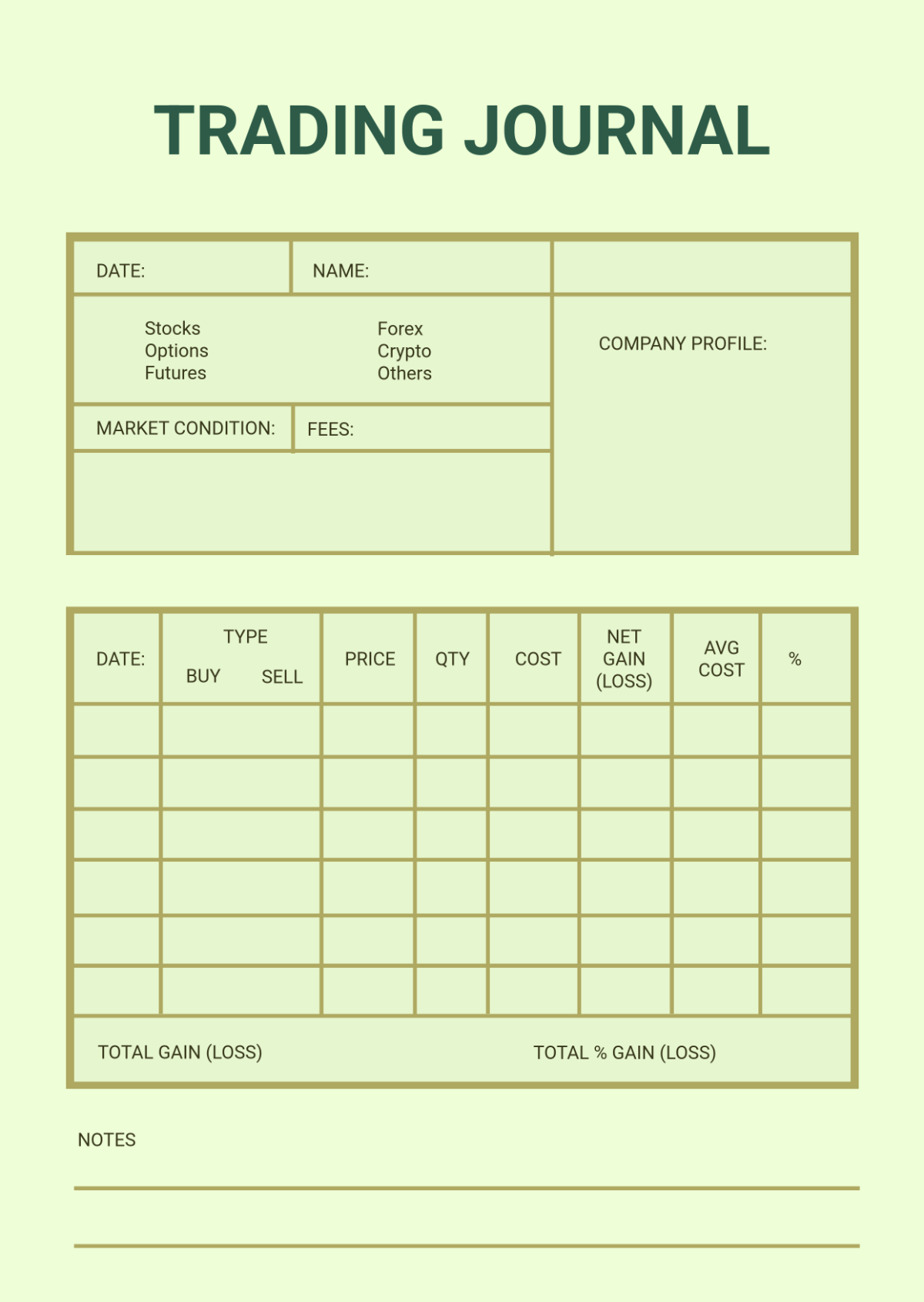
Excel Trading Journal Template | Ready-to-use Spreadsheet Template For
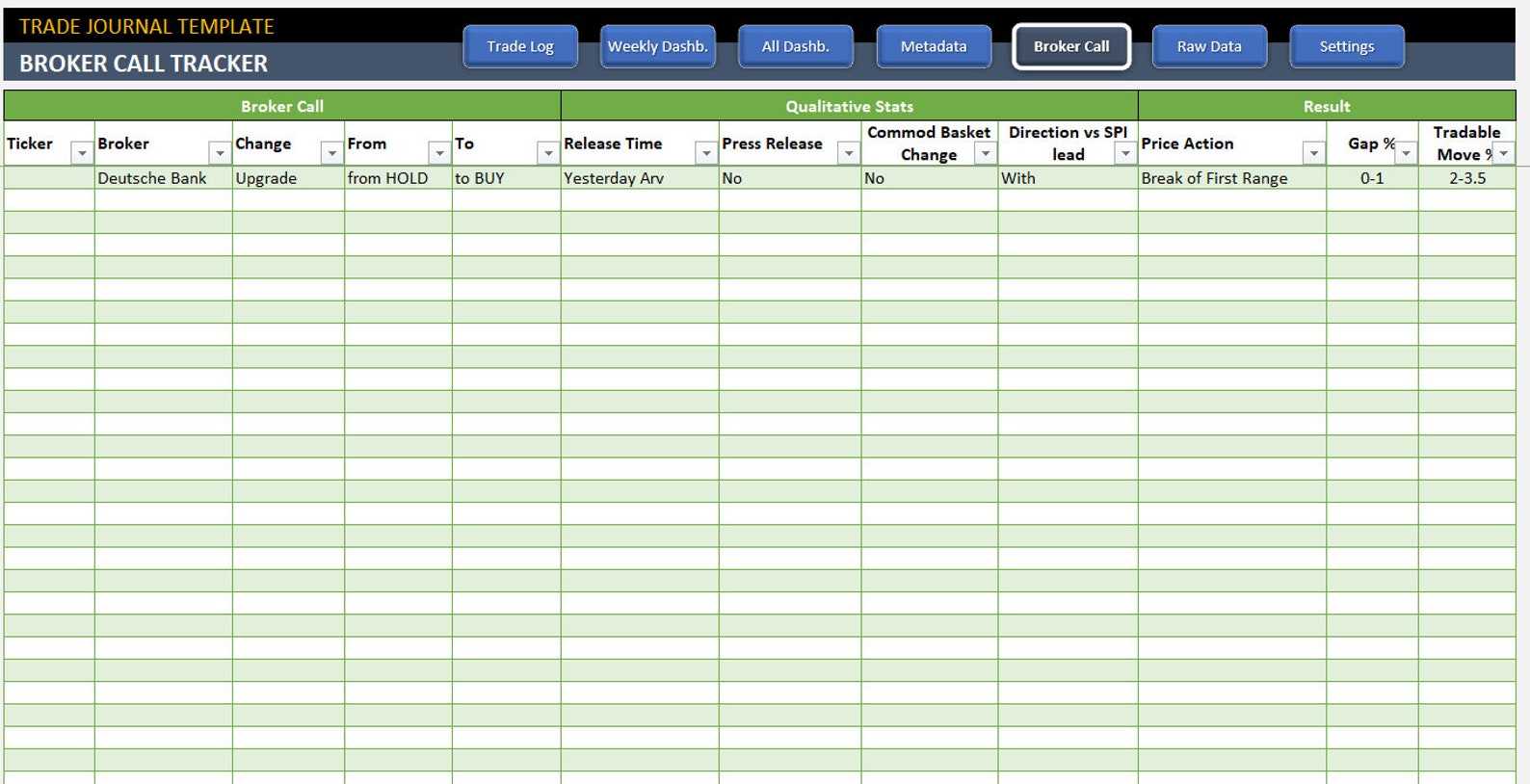
STOCKS TRADING JOURNAL Excel Spreadsheet | Day Trading Swing Trading
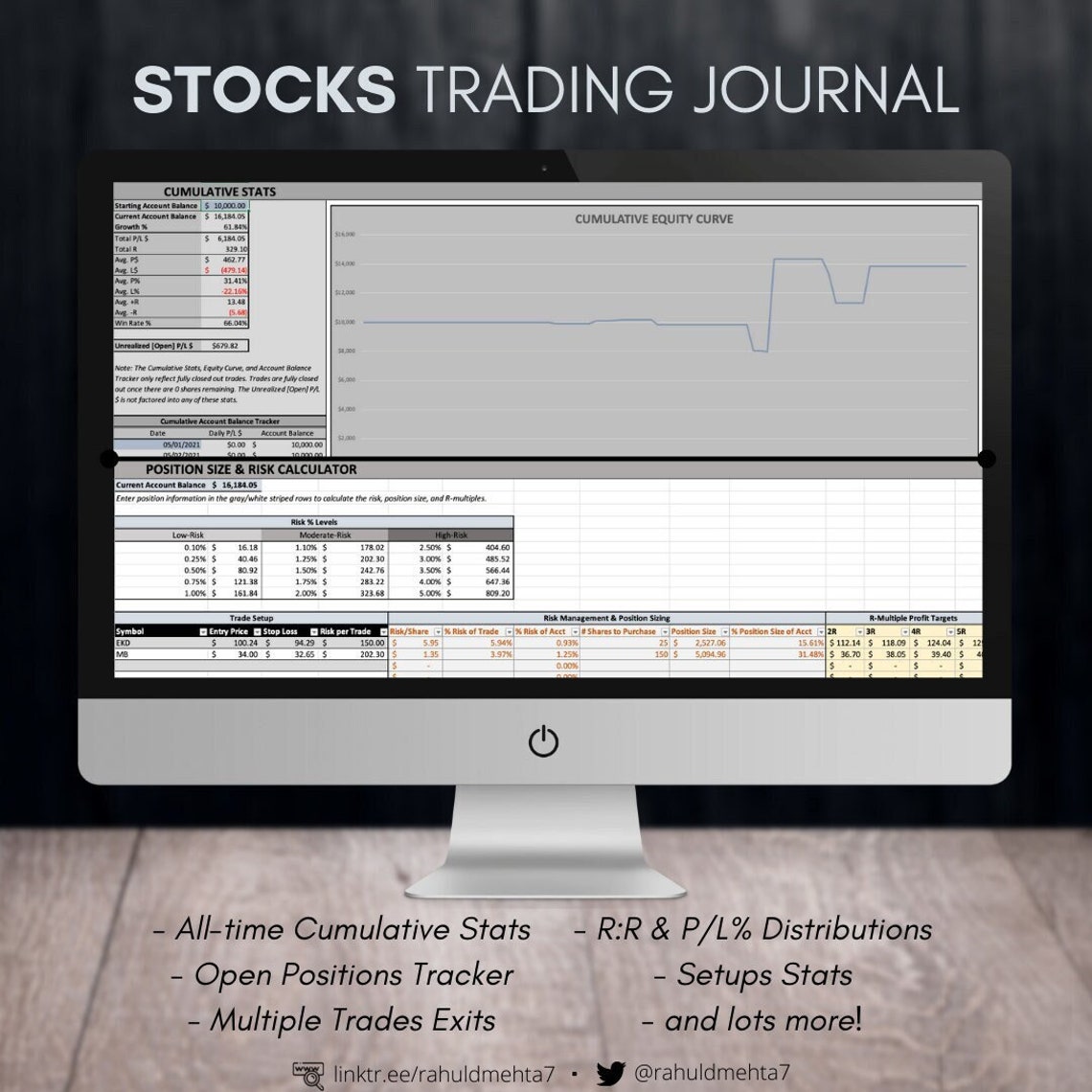
Stock Trading Journal Excel Template: Monitor Trading Performance
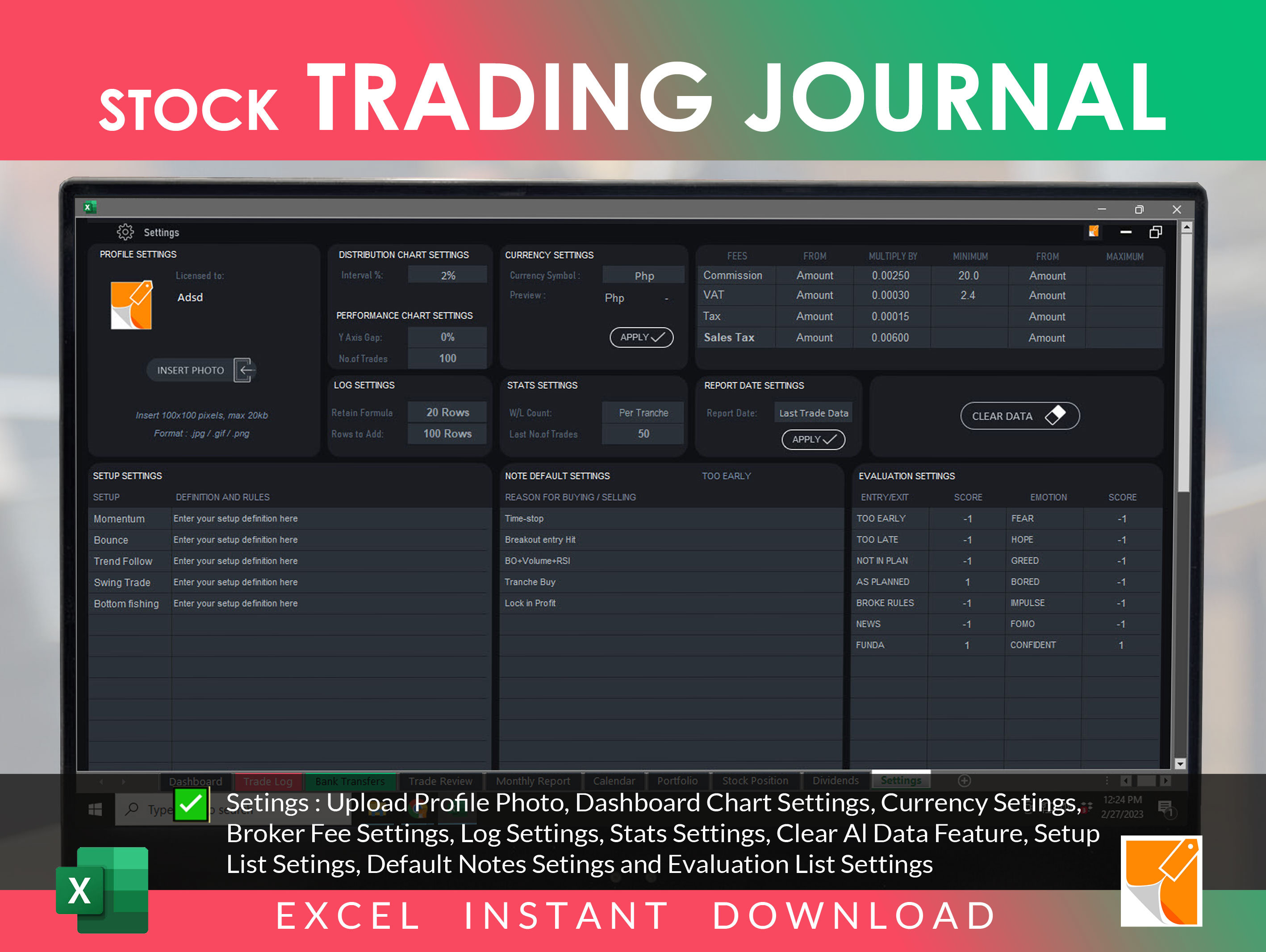
Trading Journal Printable Template | Trader's Logbook PDF Download
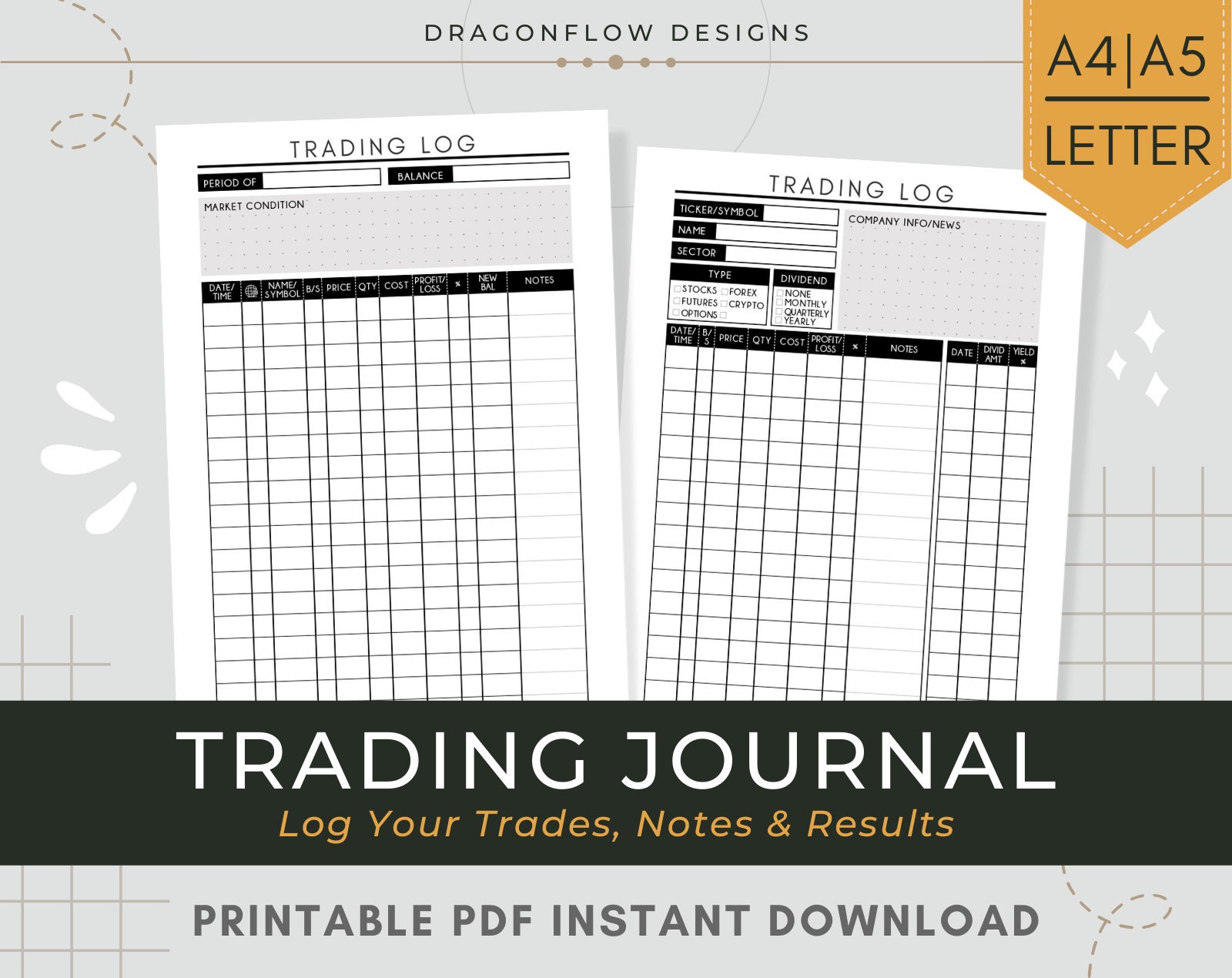
Day Trading Journal | Trading Log Book For Forex, Crypto, Stocks
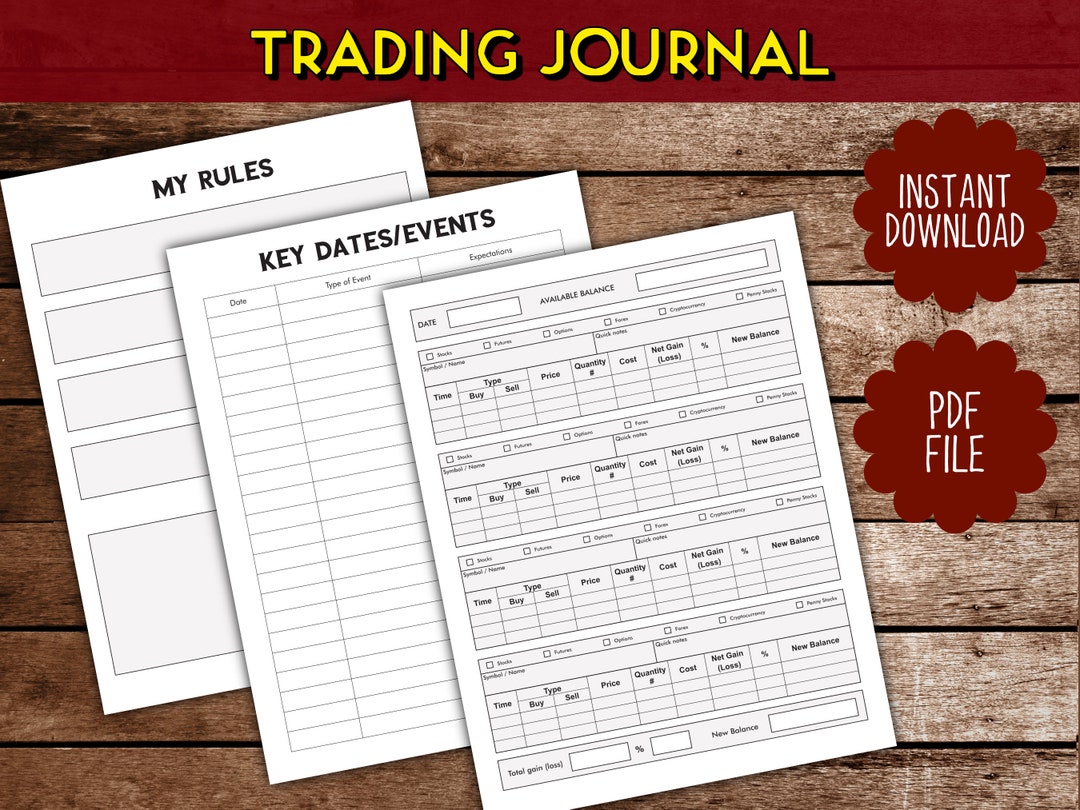
40 Free Trading Journal Templates (Excel / PDF) – TemplateArchive
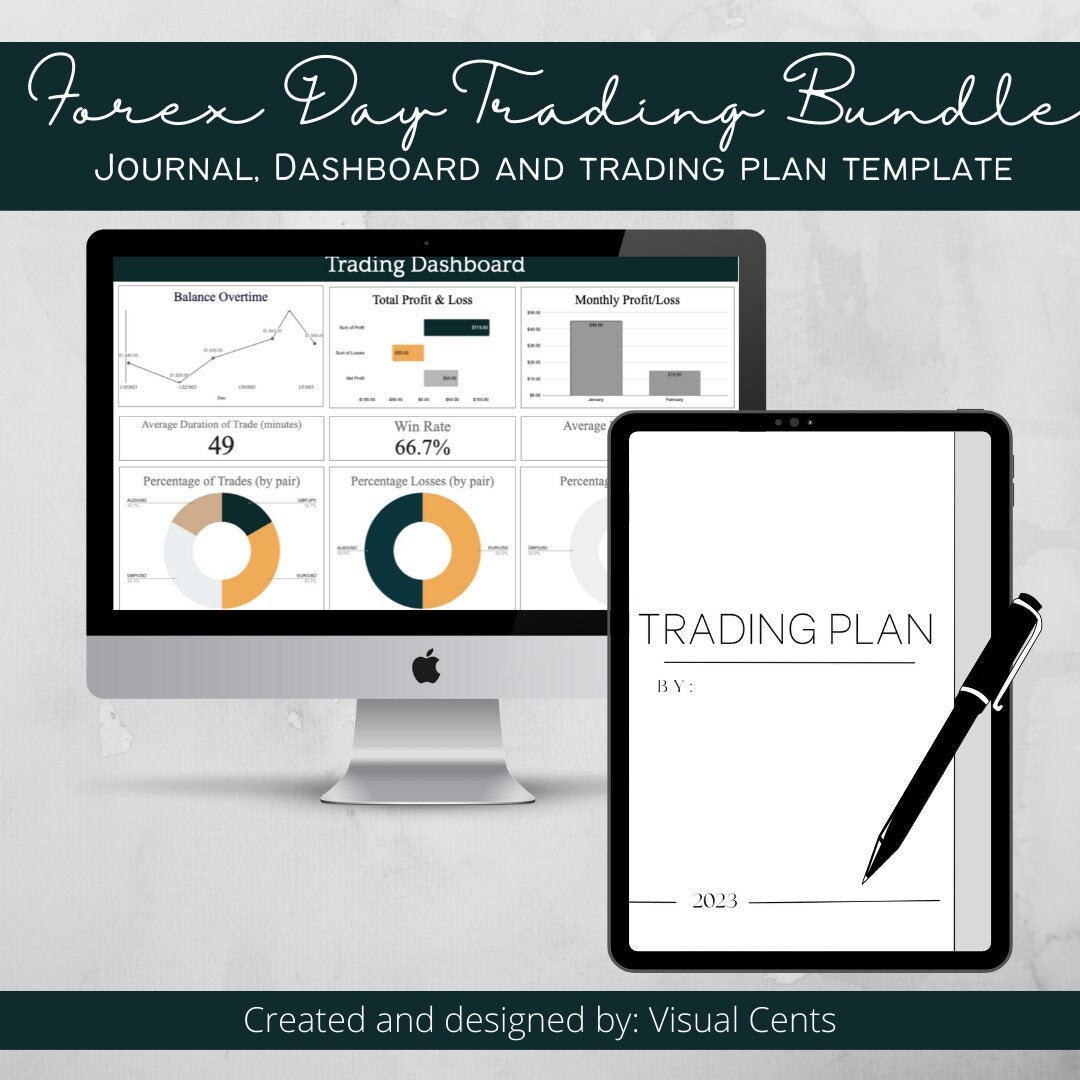
Simple Forex Day Trading Journal, Dashboard And Trading Plan Template
Trade Journal Trade Tracker Investment Spreadsheet Excel For Day

40 Free Trading Journal Templates (Excel / PDF) – TemplateArchive
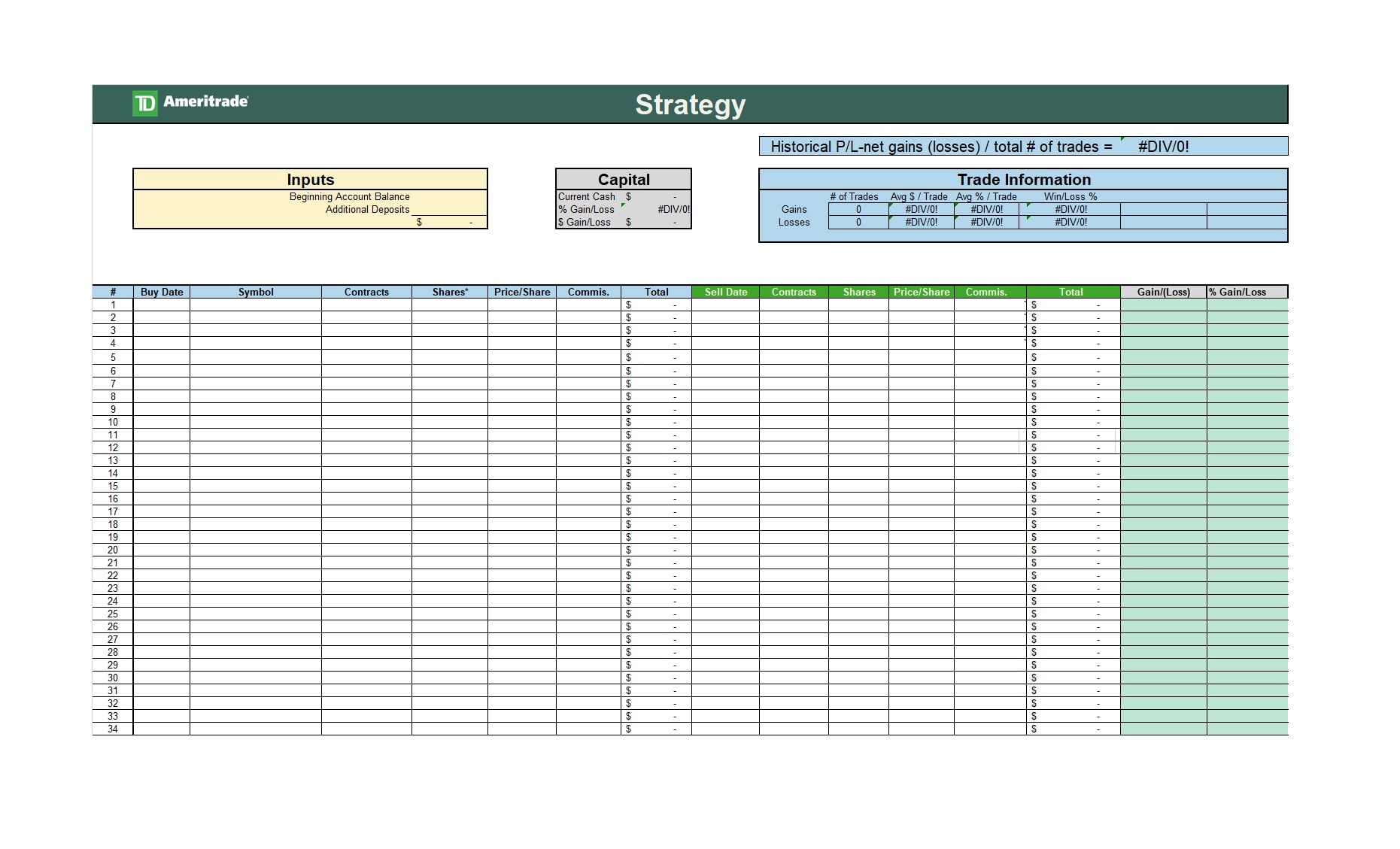
Trading Journal Template | Notion Marketplace
Simple Options Day Trading Journal, Dashboard And Trading Plan Template
Trading Journal Template – Etsy